Depart Heathrow – 5th February
Sunday was spent packing and re-packing and re-checking. Surprisingly it took the whole day but we managed to get both bags down to 14kg for a 3-week trip – 23 days. Up at 0530 and picked up by Chris who ferried us to Heathrow Airport Terminal 2. kept up with the 2nd India-England Test, 4th Day with England chasing a record target of 399 runs. Sadly we did not make it but following Bazball has changed the pace and style of test cricket – much more exciting and unpredictable. Arrived at 0815 and very smoothly through Singapore Self Service Check In. Found a cafe for breakfast – full English for myself with Gillian being more conservative with Eggs Florentine with spinach. Relaxing with a couple of cups of coffee before we board the flight. Audio books and reading material to hand.
Alice and Jenny up early and sent their best wishes as well as Penny and Noah.
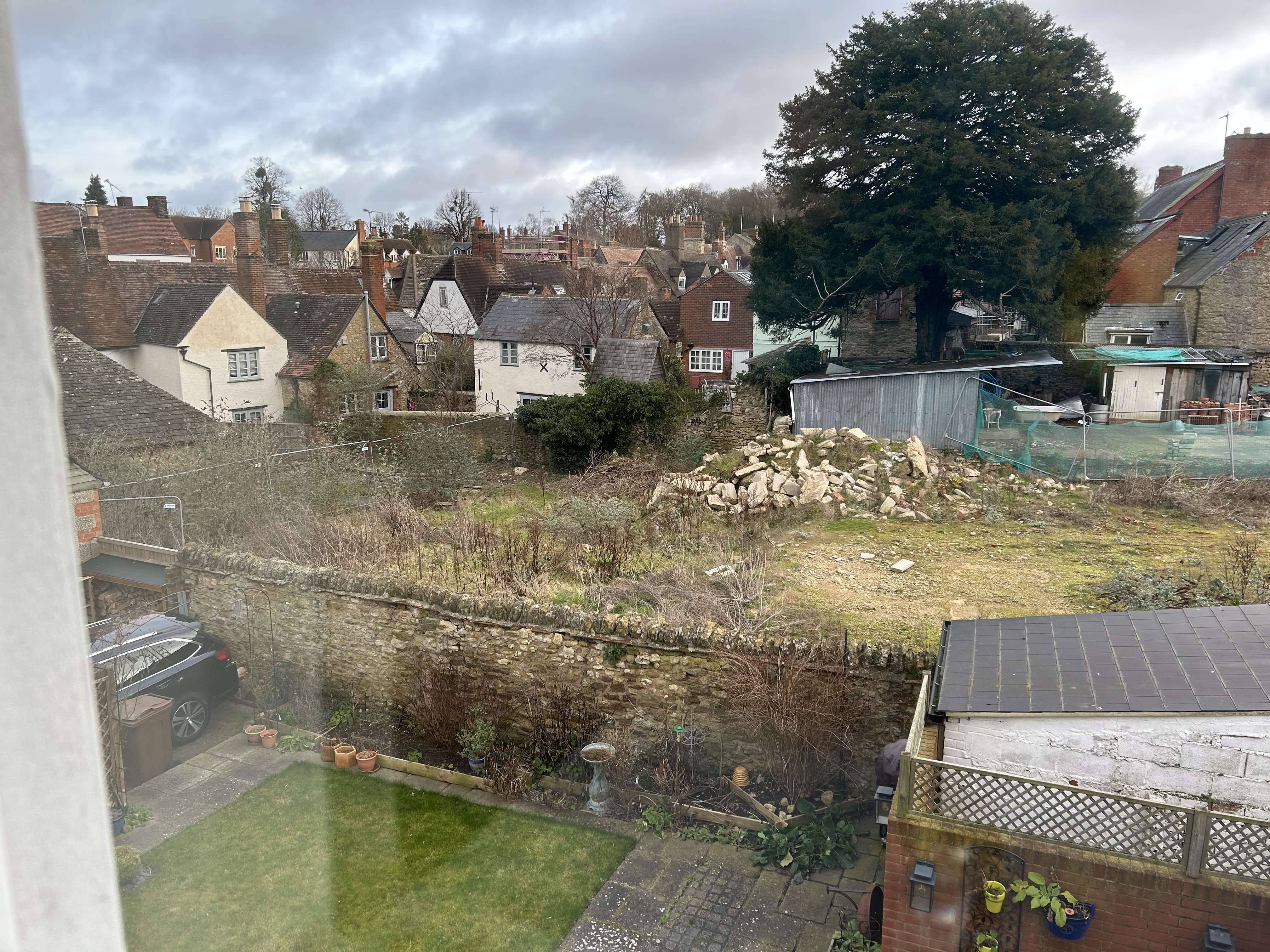
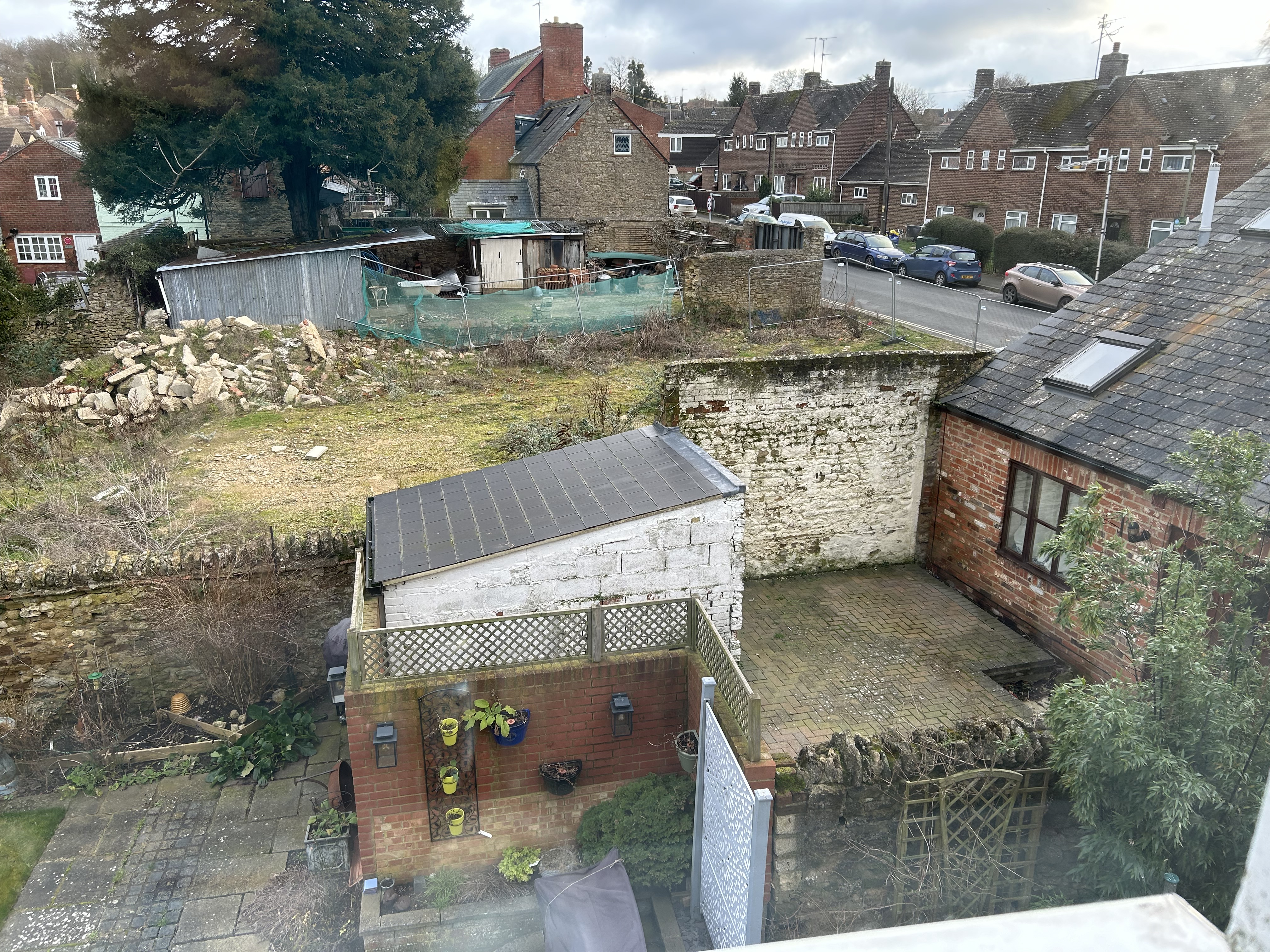
We left home with a derelict space behind us where the Antiques Shed was based. There was planning permission for 4 houses but the builder did not have enough money to finish what he had started. However we are expecting a new builder to start work before we return. So we may have a before and after photo! Will it be the same when
5th-6th February – Signapore and Hanoi
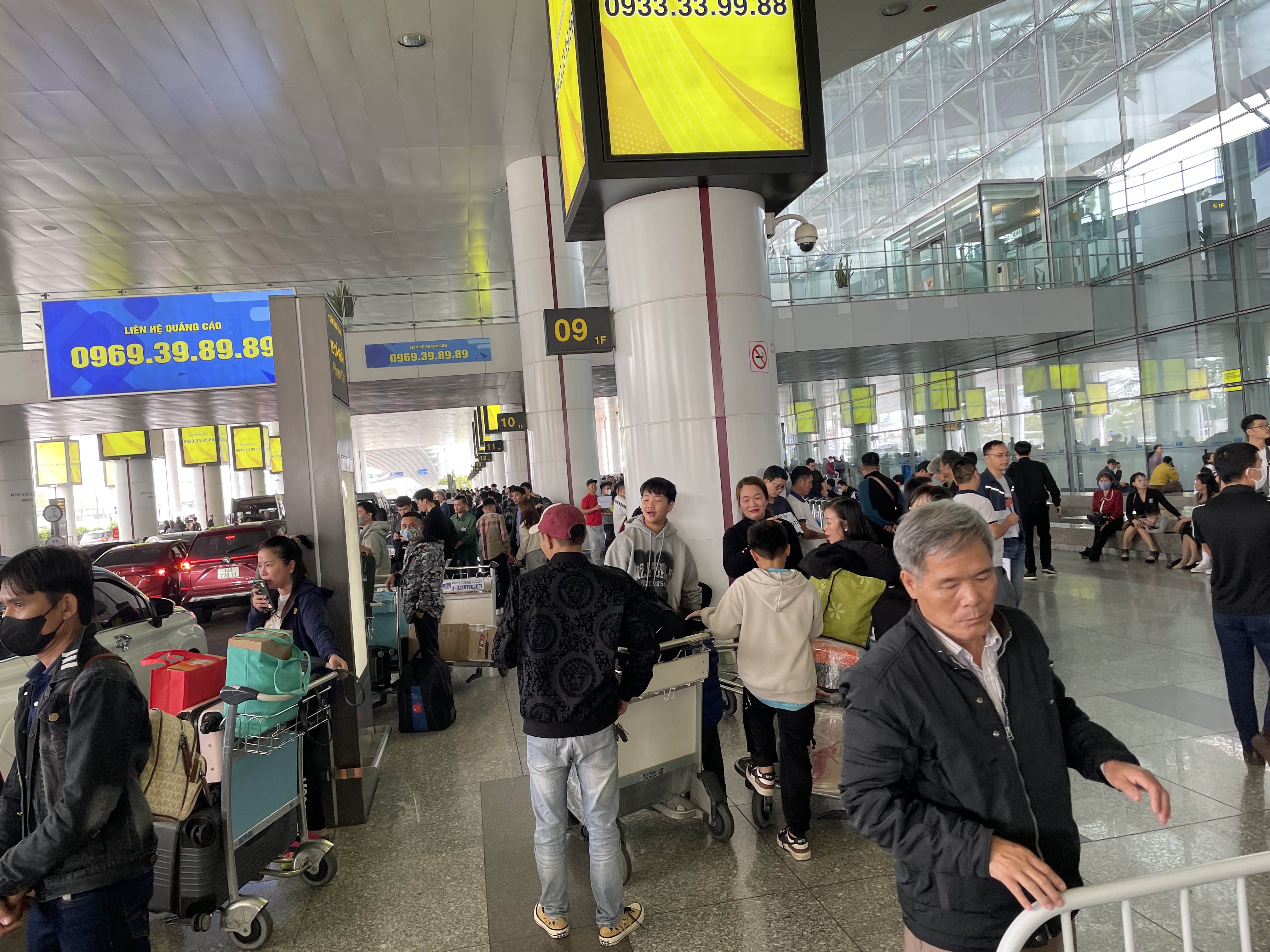
The flight to Singapore took 12 hours – 1 hour quicker than scheduled due to a favouring tailwind. We had time for a coffee and hot chocolate at Changi Airport once we had transferred from Terminal 3 to Terminal 2 via an efficient monorail. The 3 hours to Hanois seemed relatively short having sat for so long on the flight from London. Hanoi airport was not quite as well organised as Changi. We patiently waited in line to get through immigration before finding our taxi in what seemed like chaos outside the terminal. A 45 minute transfer to the Silk Path Hotel meant we arrive exactly 24 hours after leaving home on the 5th.

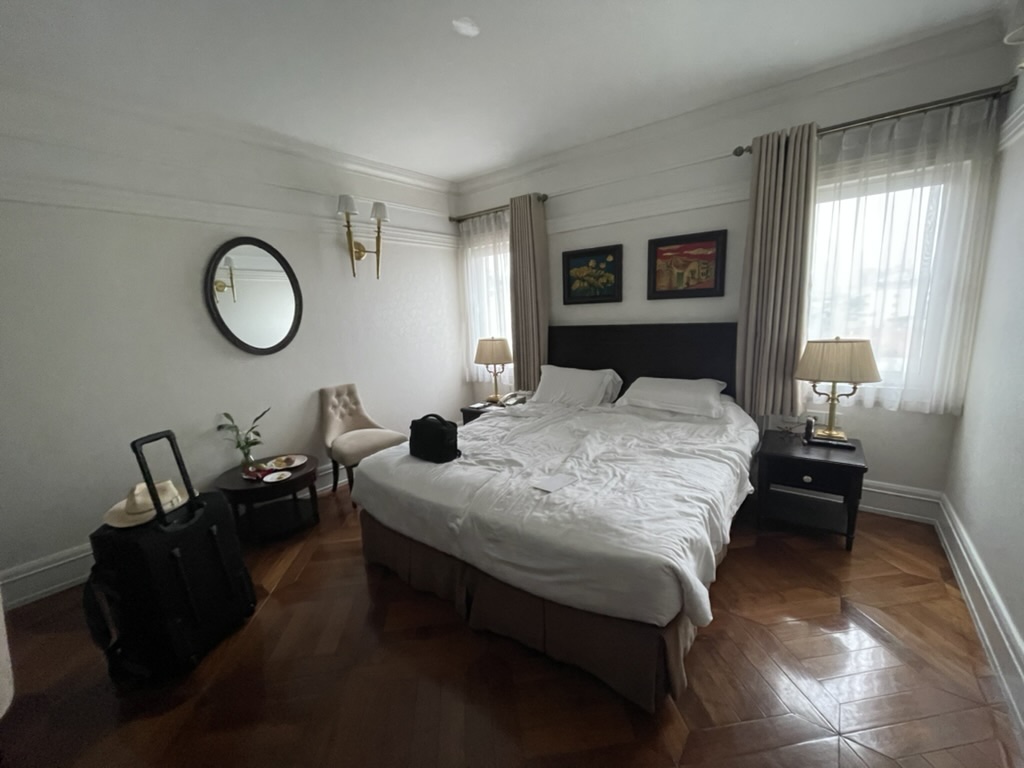
We unpacked and did give some thought to going for a walk but decided upon a short sleep first. In the early evening we walked around Horn Kiem Lake which borders the Old Quarter. We were still feeling a little disorientated and it took us some time to decide upon a restaurant. We changed some $ to Vietnam Dong – £1 – D25,000 and ate at the Lakeside View Restaurant. It was clearly set up for tourists with a menu that had pictures of the different dishes. Probably a little more expensive than eating very locally – but still great value at D575,000 – about £25 for 2 beers, cocktail, coke and main courses. Gillian had Pho – a N Vietnam noodles stem and I have what felt like a Vietnamese mezzi with noodles. Both were very enjoyable. Upon returning we booked in for drinks and eats on the rooftop of the hotel for Chinese New Years Eve which was on the 9th. Before taking the booking they insisted that we went upstairs to the rook top to choose our seats – despite it being closed and feeling quiet derelict! We are confident it will look better come Friday.
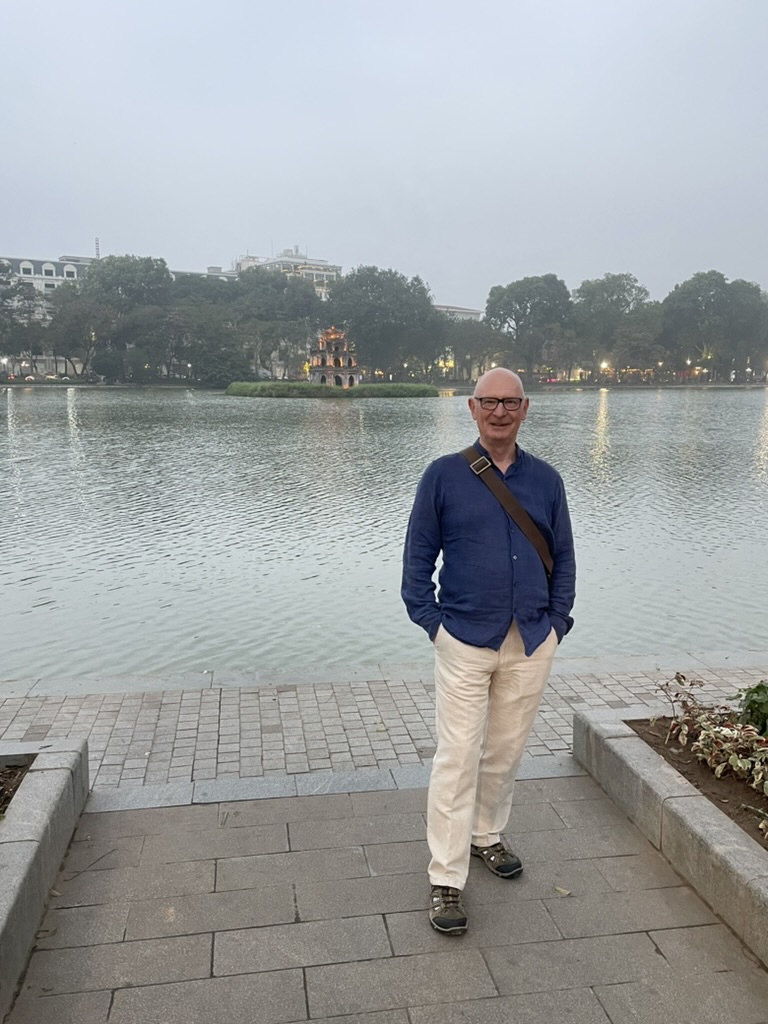
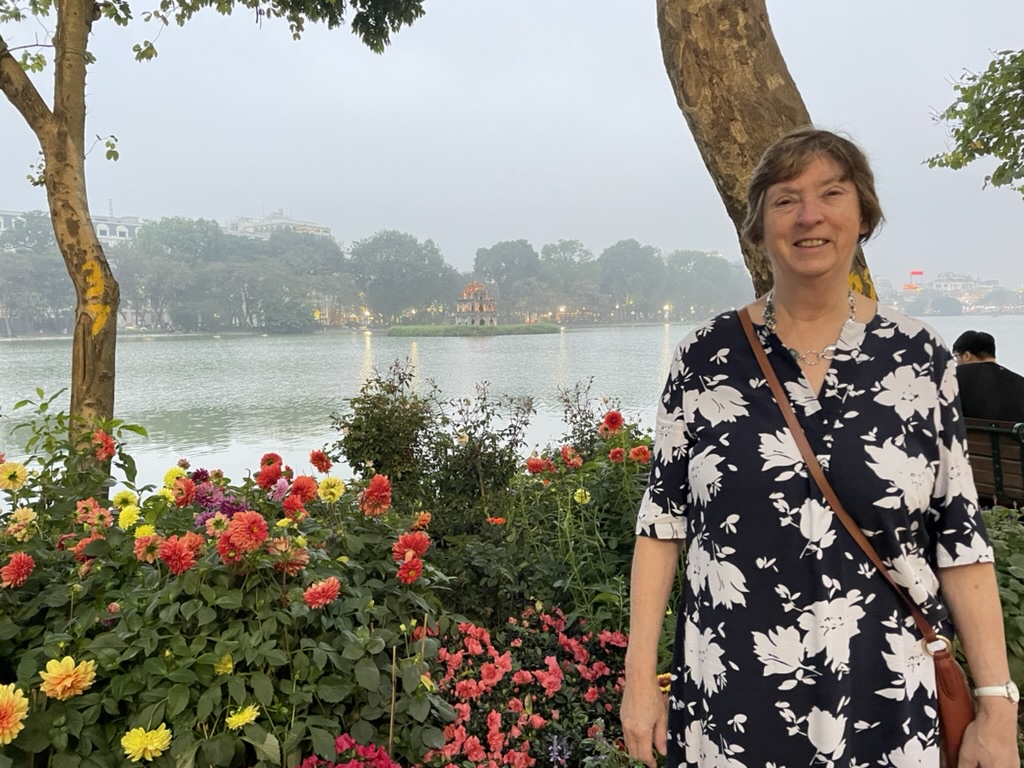
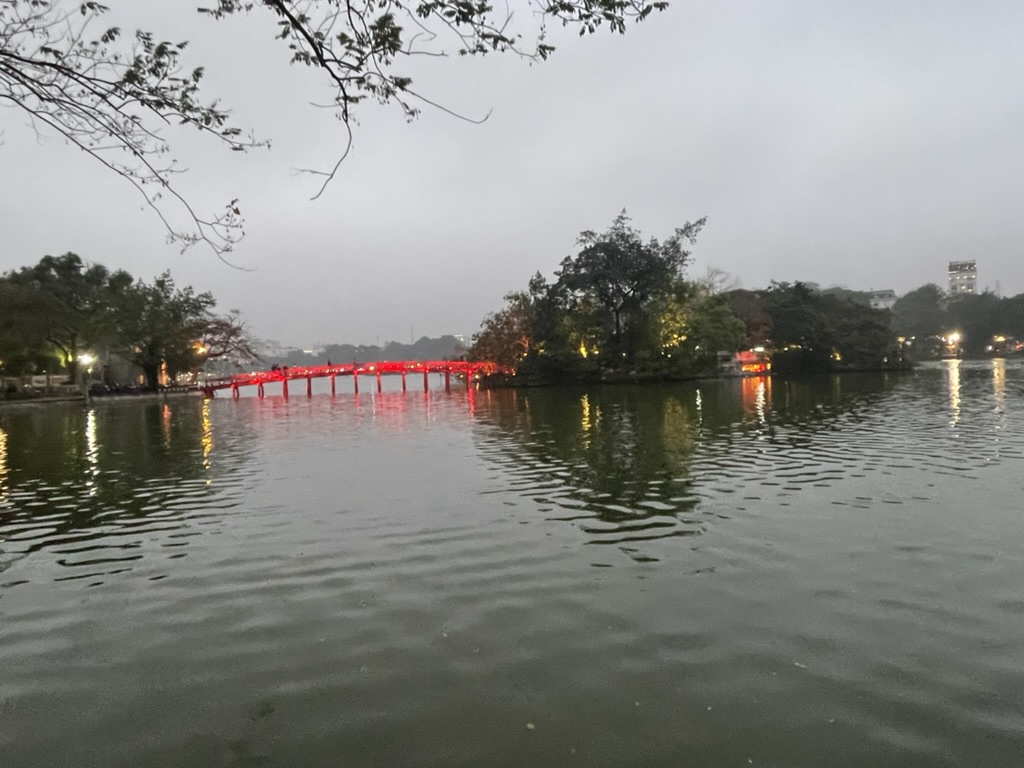

7th February – French Quarter
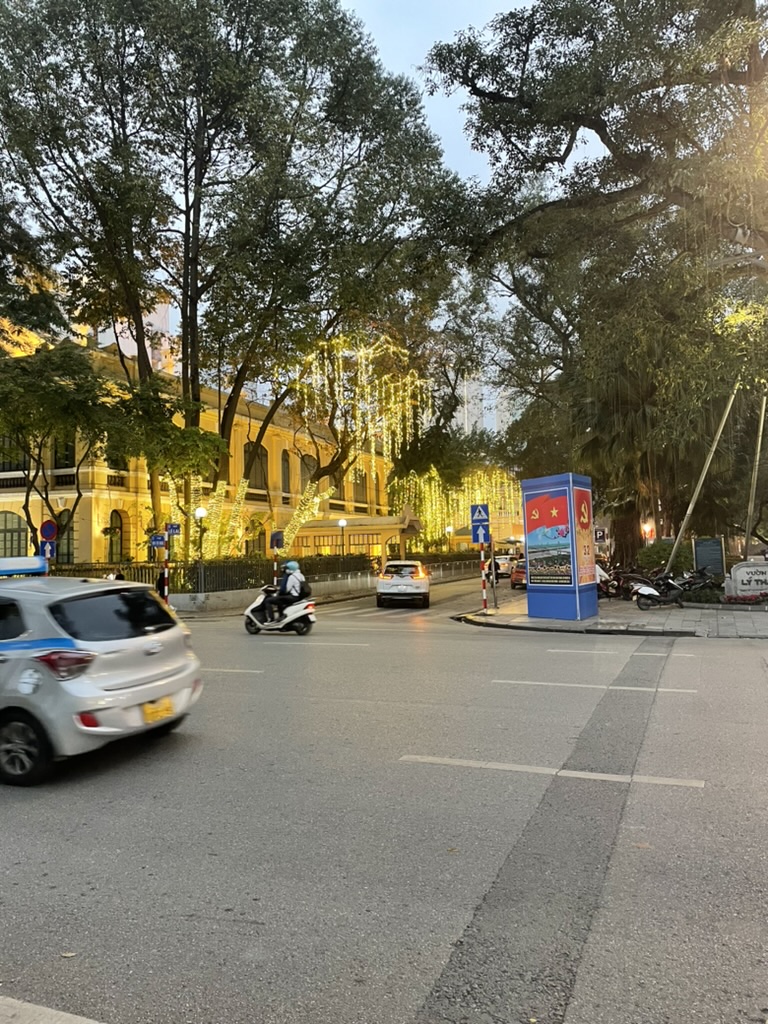
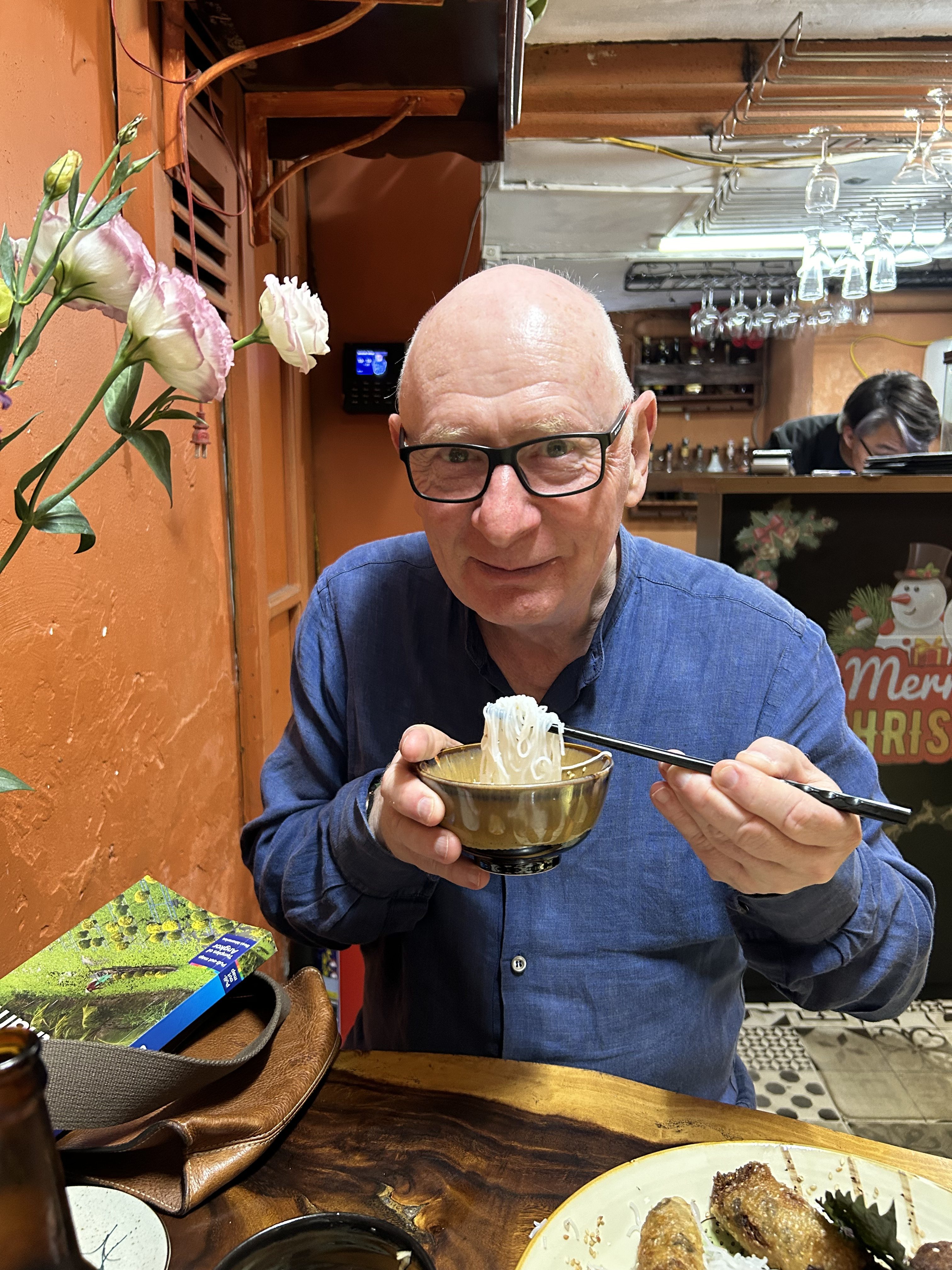
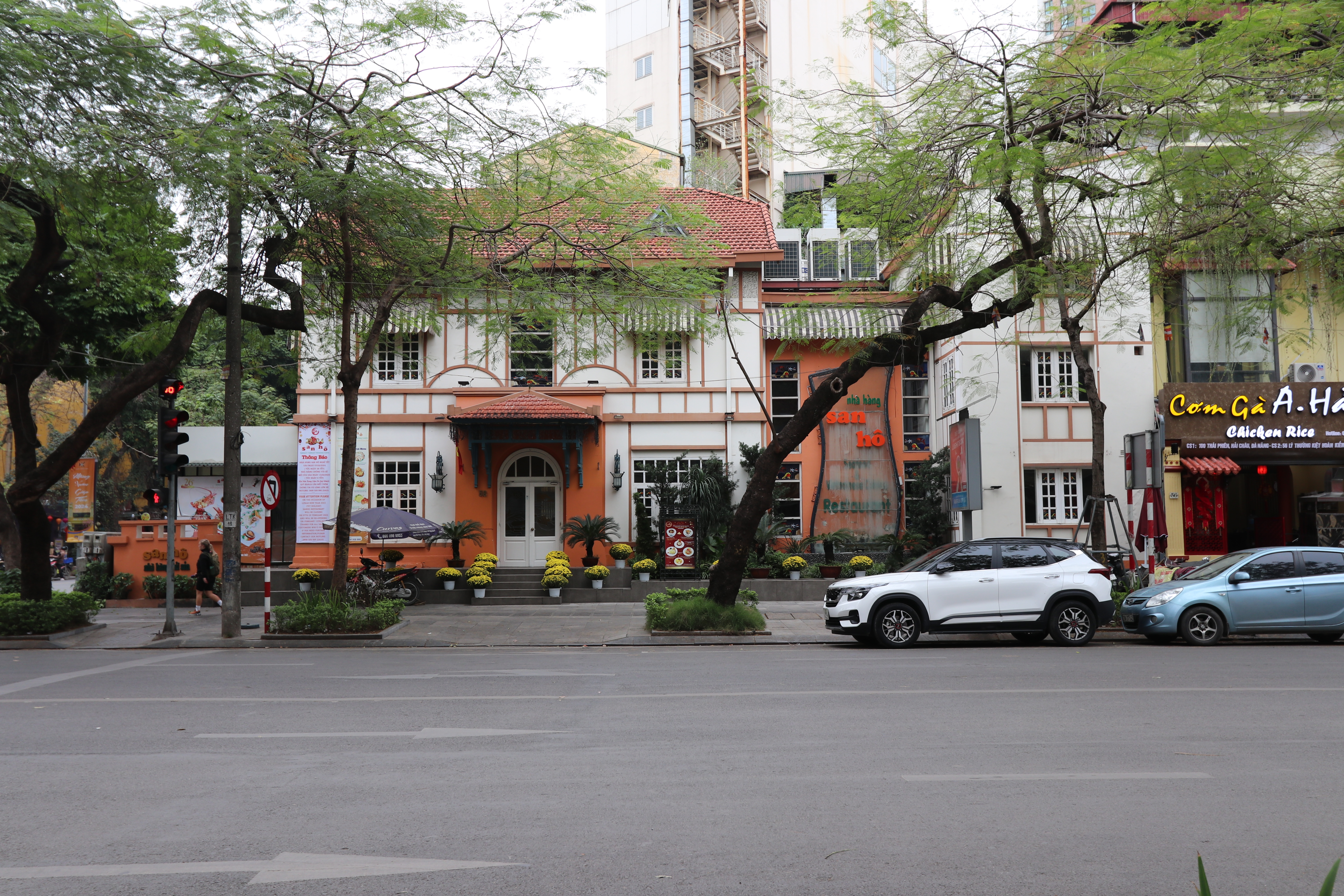
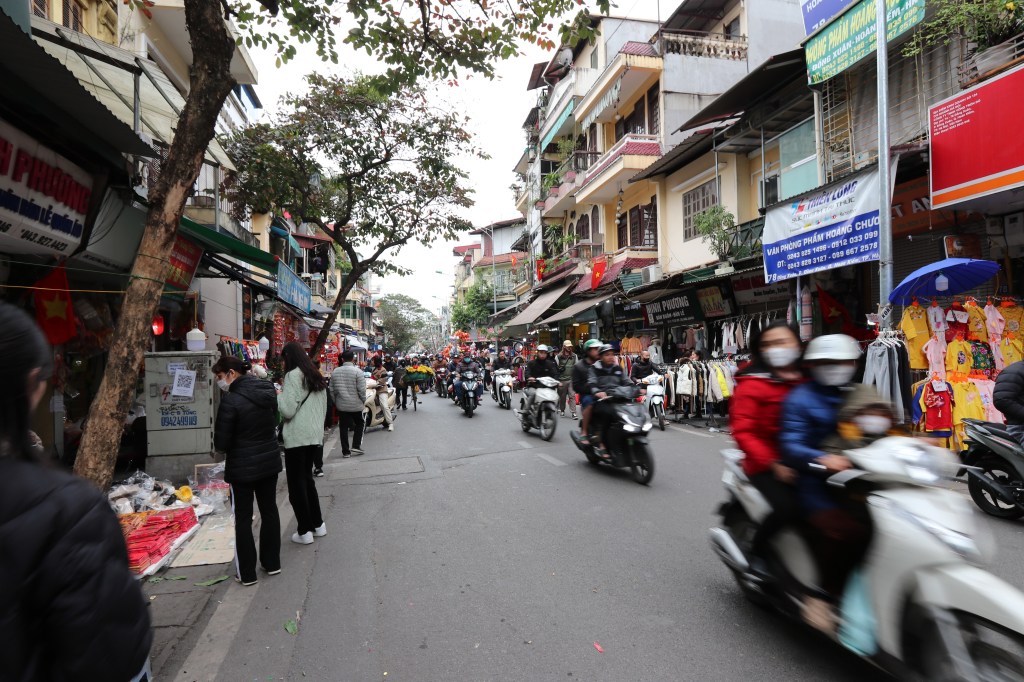
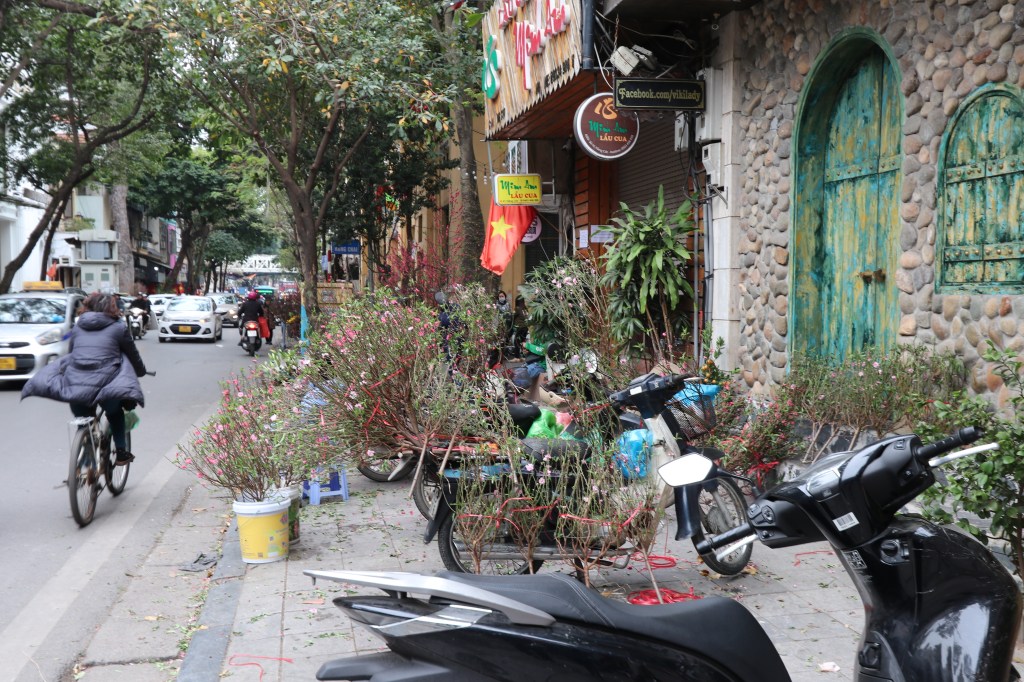
We both slept well. I awoke around 0820 and had a wash and shave hoping the noise would wake Gillian who was fast asleep and I had to reluctantly shake her gently to arose her from a deep slumber. Gillian had an omelette for breakfast and I opted for Pho (flat rice noodle soup) with chicken – very filling. For the morning we decided to explore the French Quarter. We had been warned before arriving that crossing the roads in Hanoi was an art rather than an exercise in sticking to the green cross code. It is at first unnerving – there are motorcycles everywhere who take little to no notice of traffic signals and lights. You just have to be brave – step out – and force the traffic to flow around you. By the end of the morning we had got used to it – nearly!
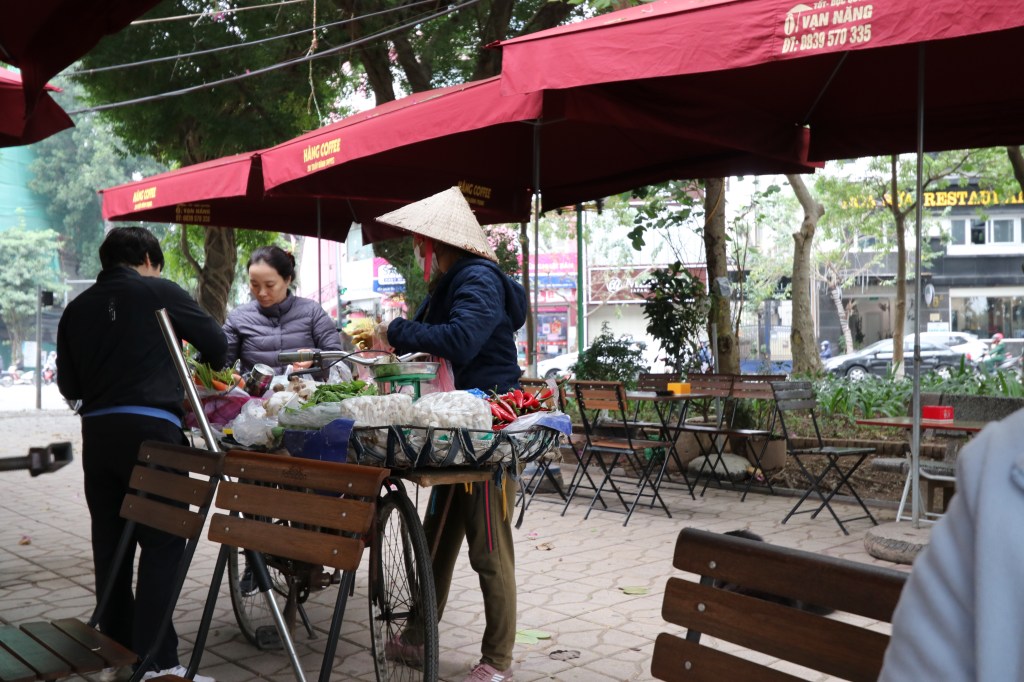
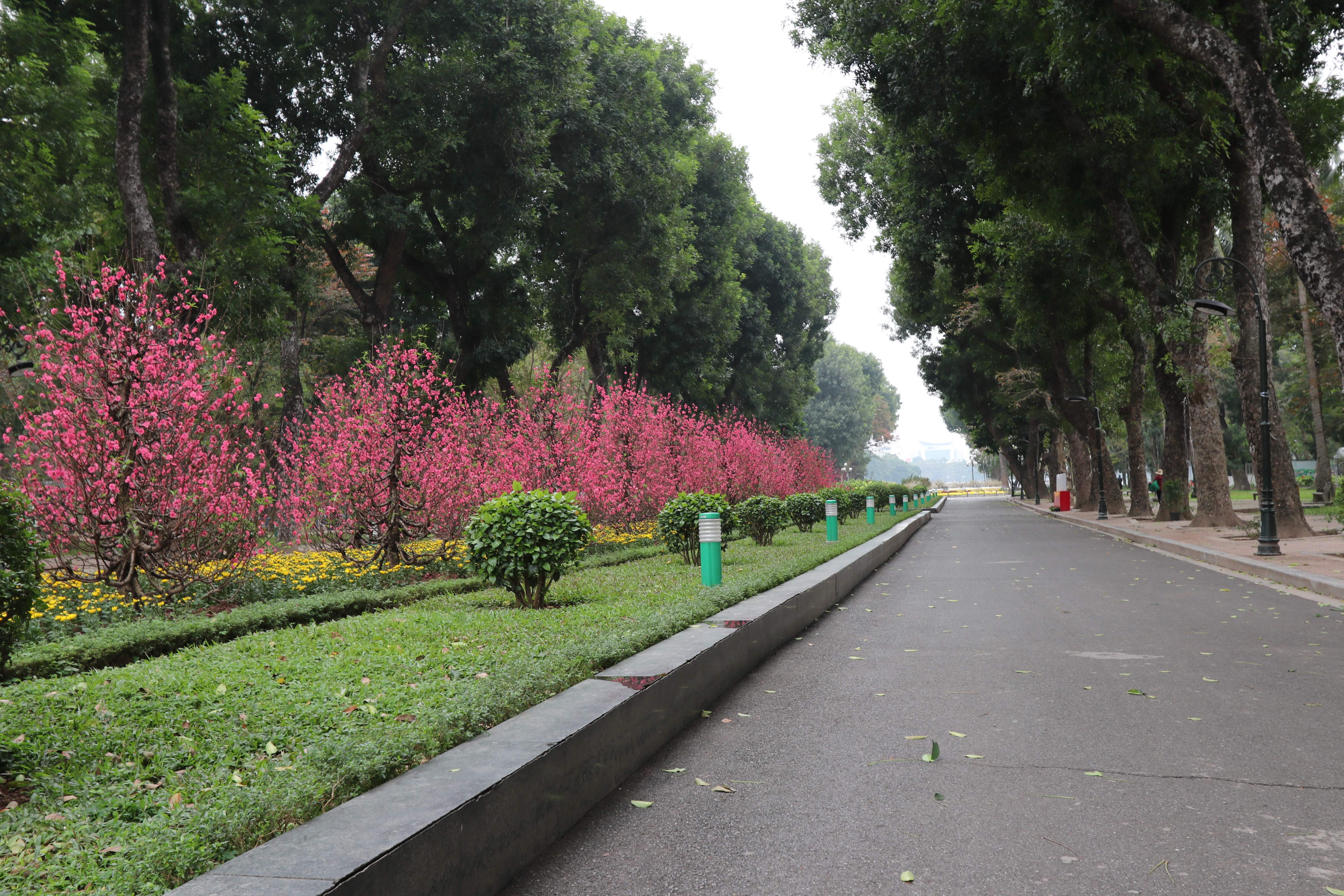
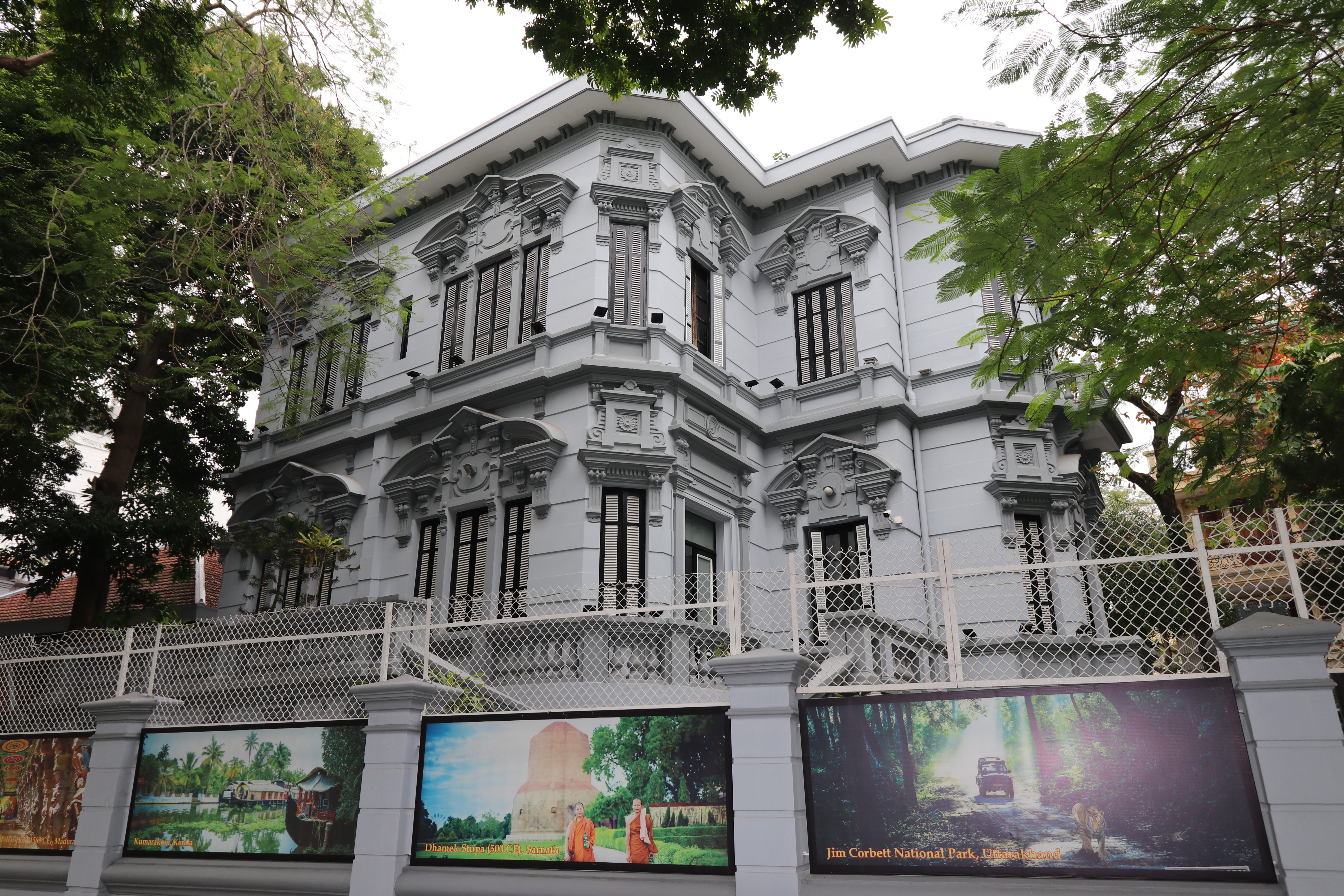
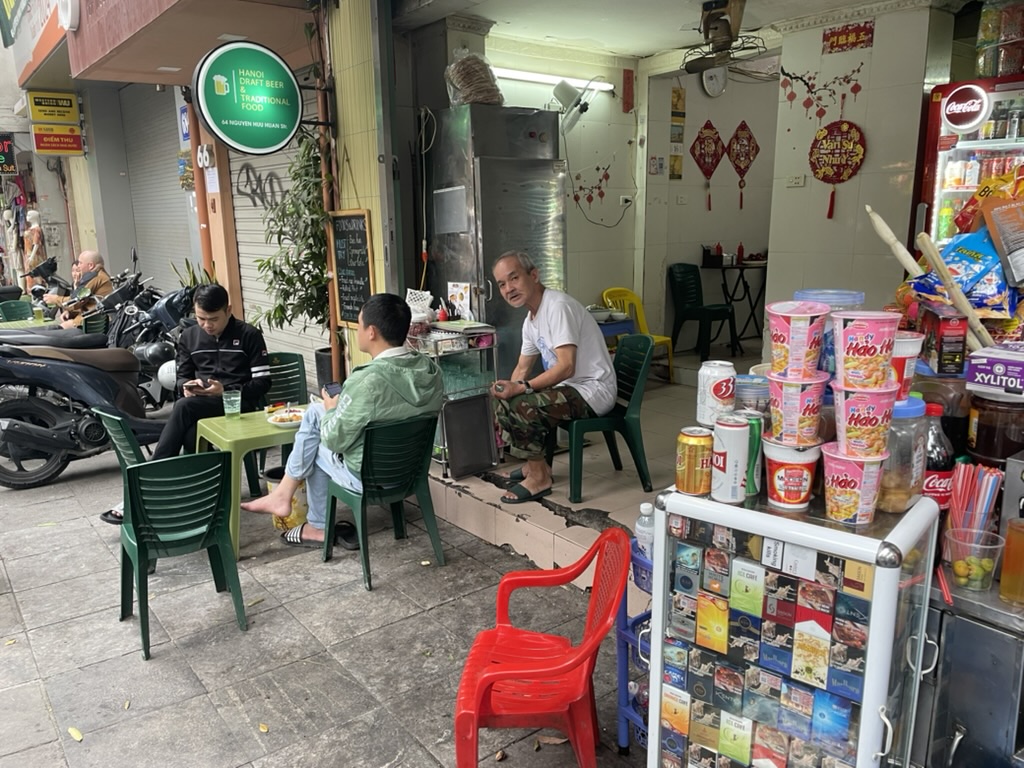
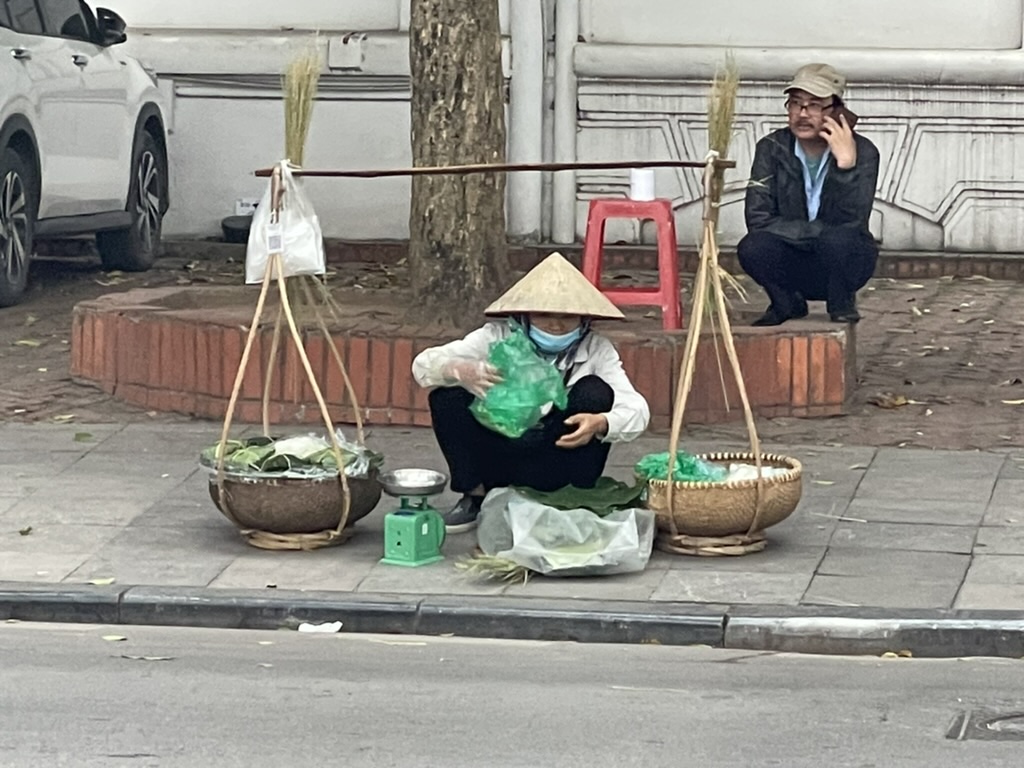
There is not much of the French Quarter left – the Indian Embassy is the best example. But it was a pleasant walk in coldish weather South of the hotel to Thien Huang Lake. It did take us some time to get used to the constant noise. It is hard to get away from. At the lake we stopped at a street side cafe – feeling brave – and ordering tea and a Hanoi Coffee for Gillian. Coffee here is extremely strong and as there is not much fresh milk it comes with condensed milk – very sweet. The tea and coffee are served with perfumed water. As your teapot begins to run out they come around with a vacuum flask of hot water and top up. Whilst sitting at the cafe a woman came around selling fresh vegetables and herbs on a bicycle. The owner came out and individually picked items to be weighed.
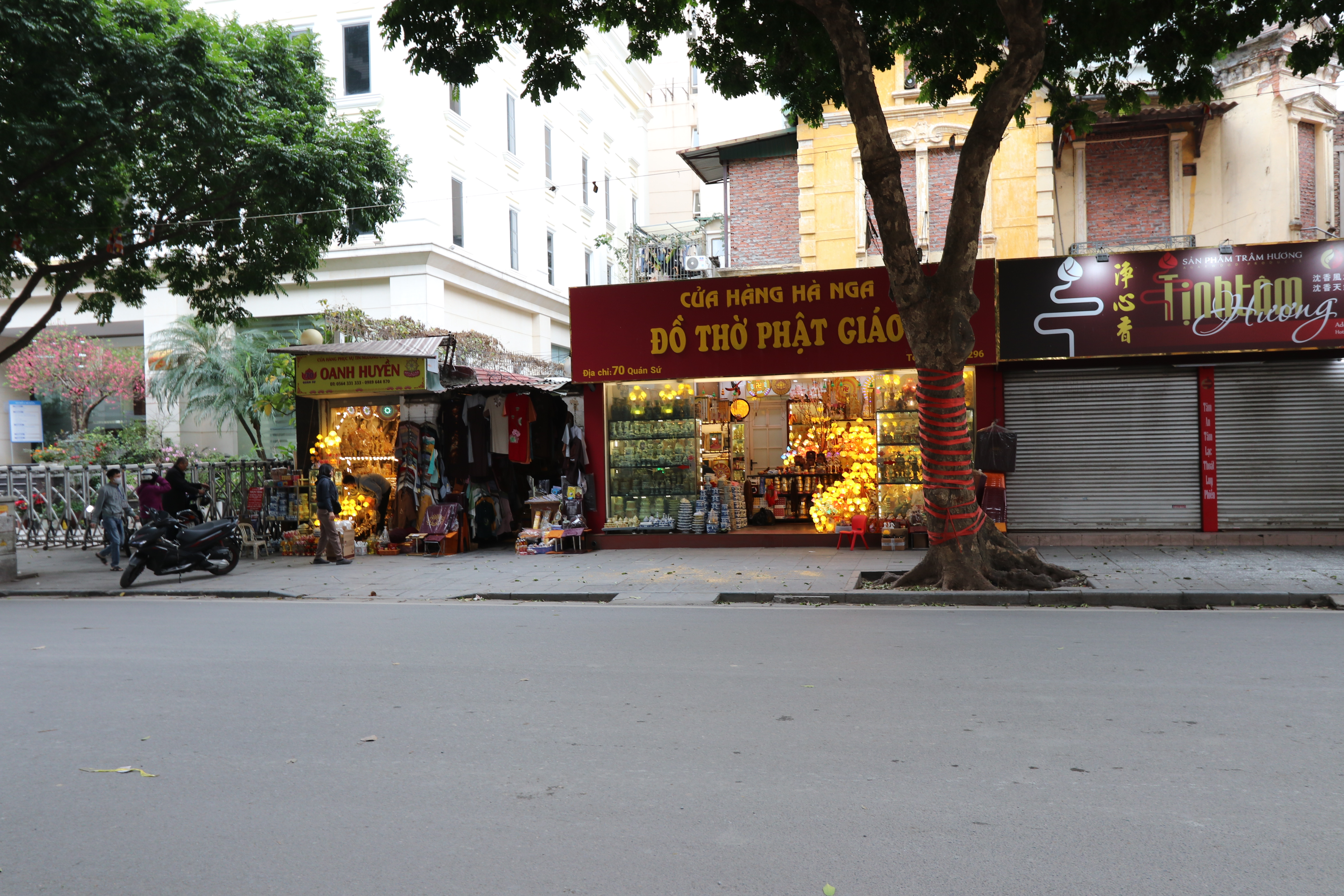
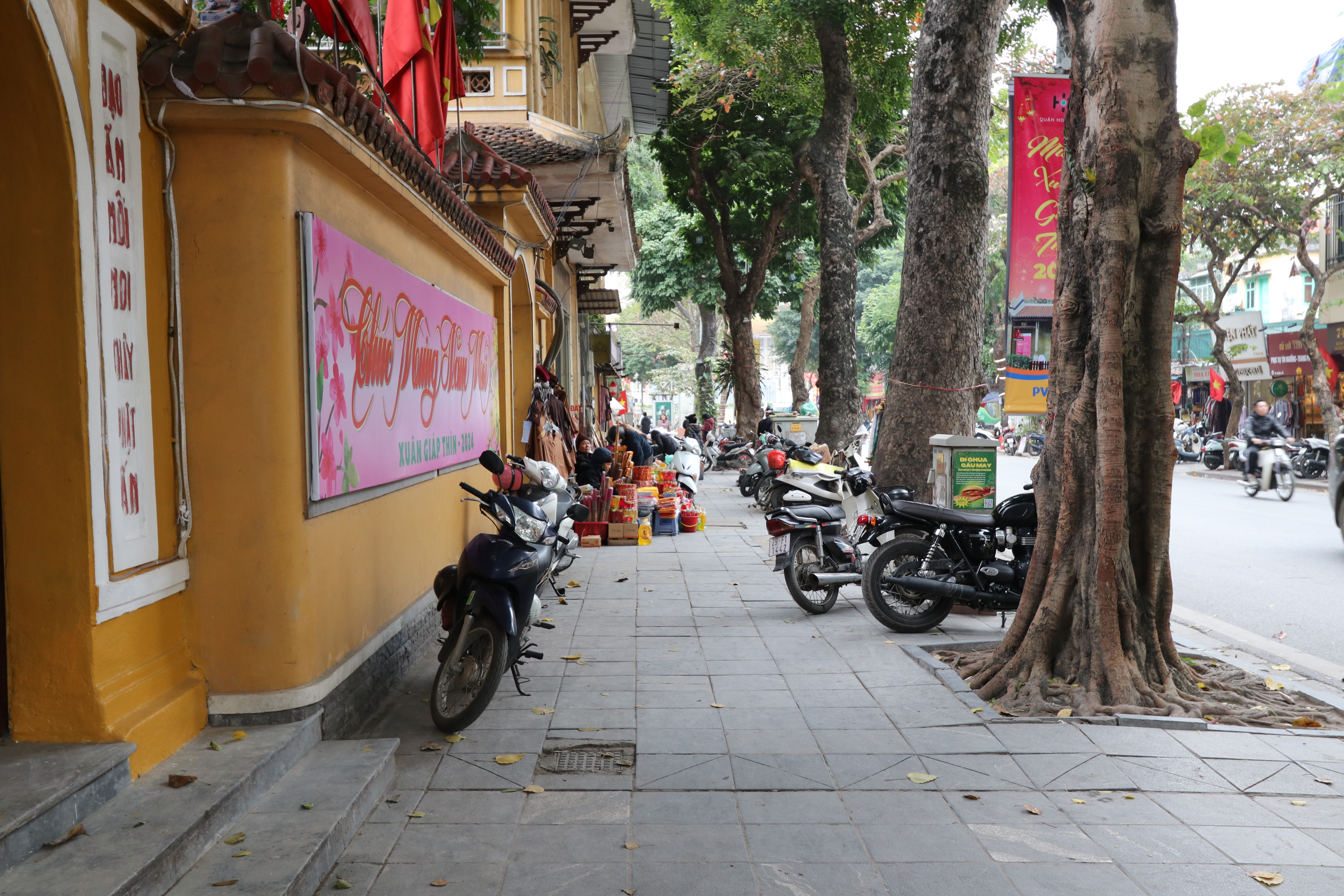
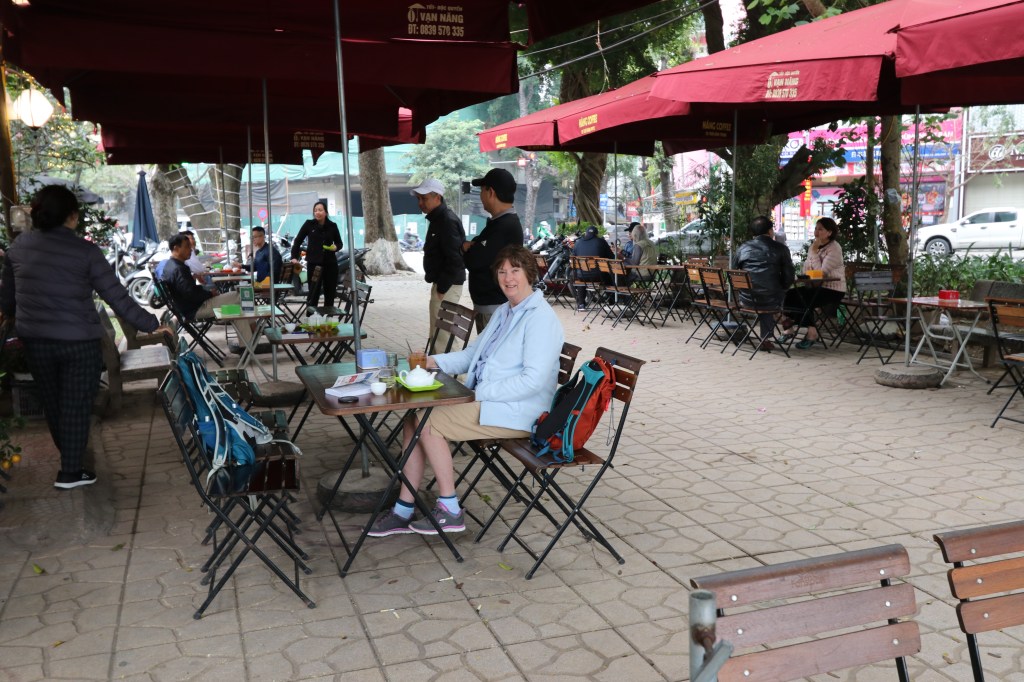
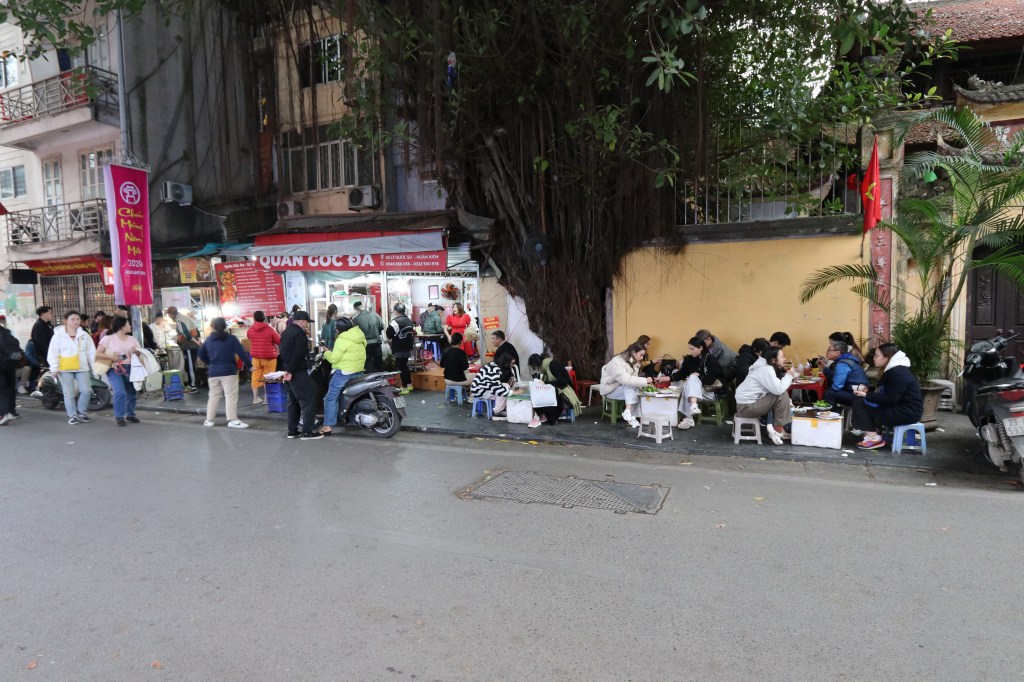
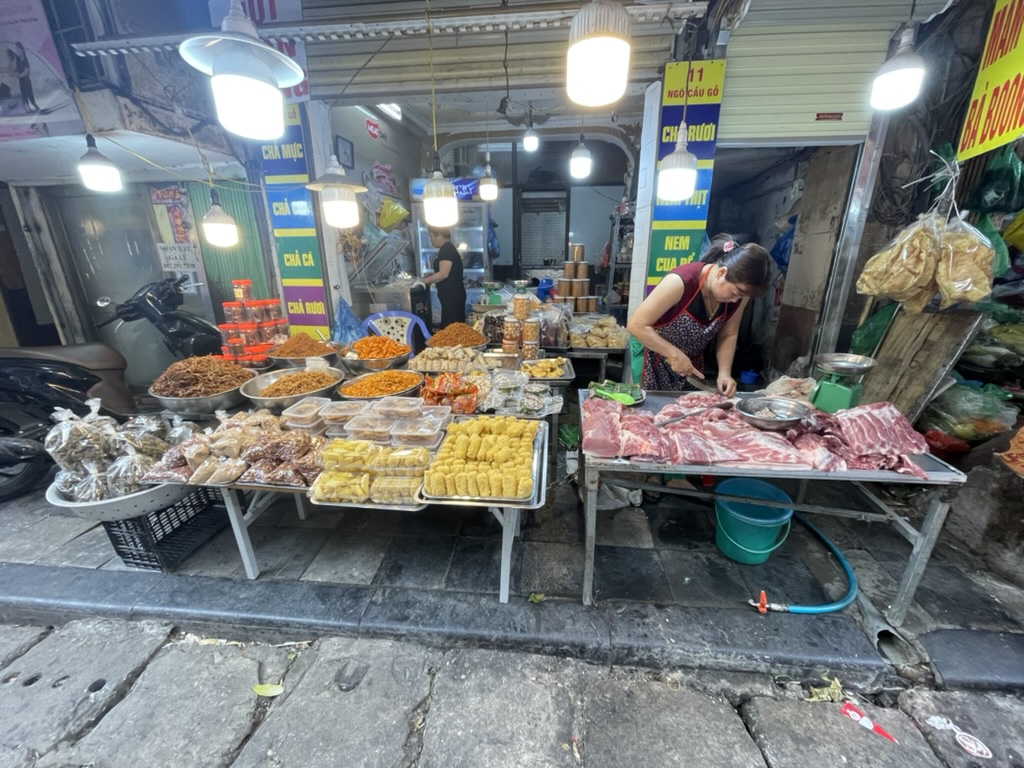
After the drink we wandered around the Unification Park before walking the length of P Quang Trung back to the lake by the hotel. This street was lined with restaurants and coffee shops. Restaurants are not quite like European ones – seats and low tables are on the streets and the food is cooked fresh in a small front room. It was around lunchtime and nearly everyone was eating Pho. Before returning to the hotel we stopped by the Patisserie next door. Gillian opted for a western cappuccino whilst I went for ca phe trung which is egg coffee. A base of very strong Vietnam coffee topped with whipped egg yoke – similar to meringue. Very sweet and filling. We had not realised that Vietnam is the next largest producer of coffee after Brazil. Their coffee is extremely strong and when drunk you can feel your heart rate increase!
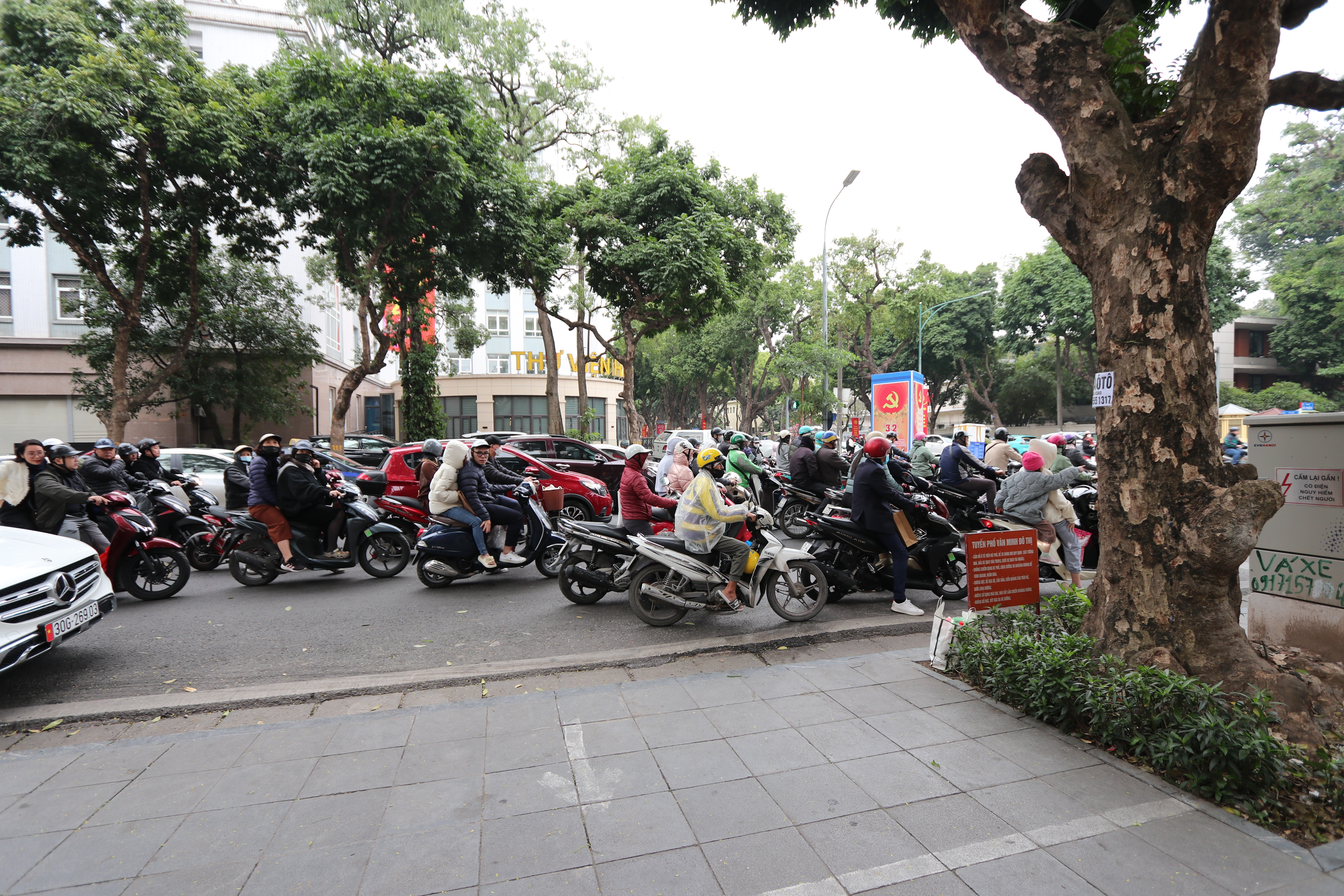
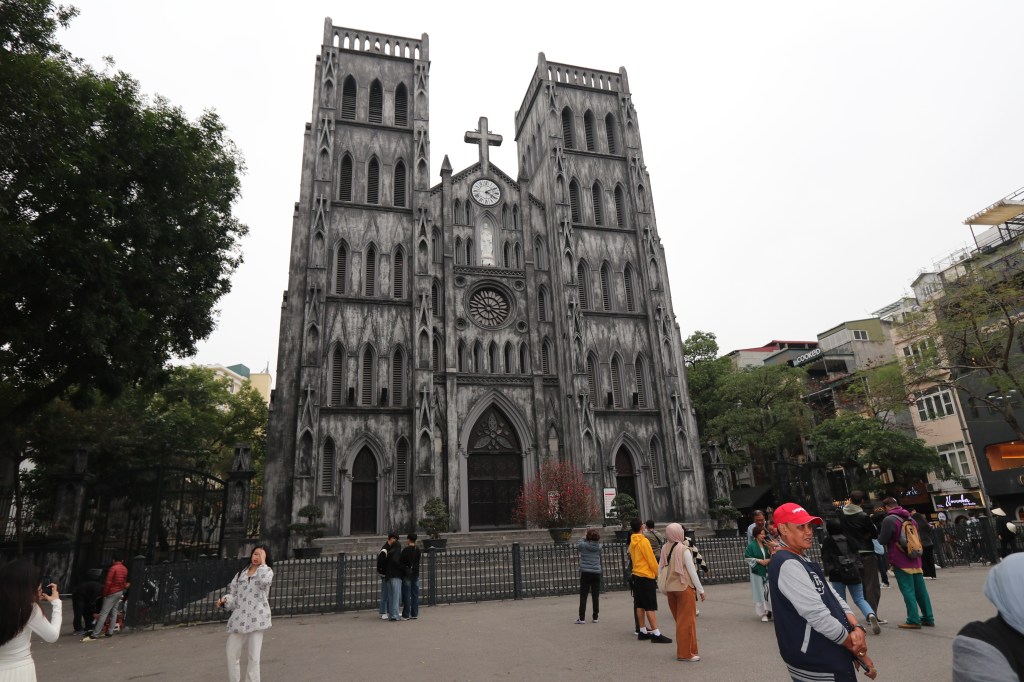
After an afternoon rest we went in the direction of St Joseph’s Cathedral which is on the edge of the old quarter. A nice area of Hanoi – quite busy but not over powering. It is indeed a city of motorcycles – 6m! The cathedral looks bit grim from the outside but is impressive inside. French architect and design from their time as the ‘occupying power’. Wandering down a side street we shared a Banh Mi Sandwich. The bread was beautiful and light which we had not expected. As we read later it is a reflection of the French presence. We wandered through the streets back to the hotel.
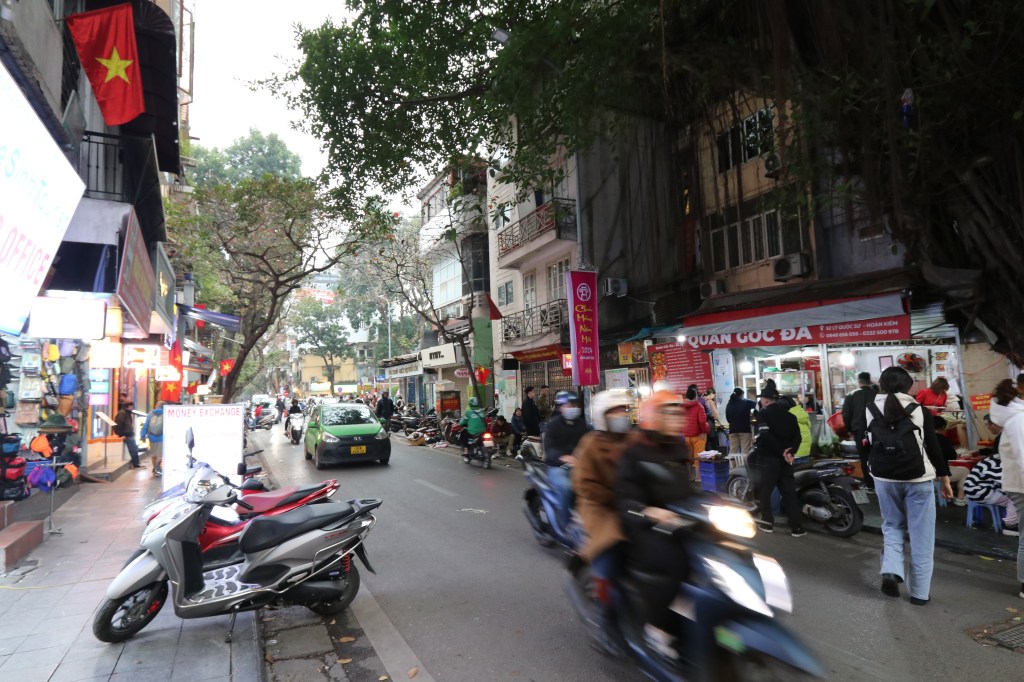
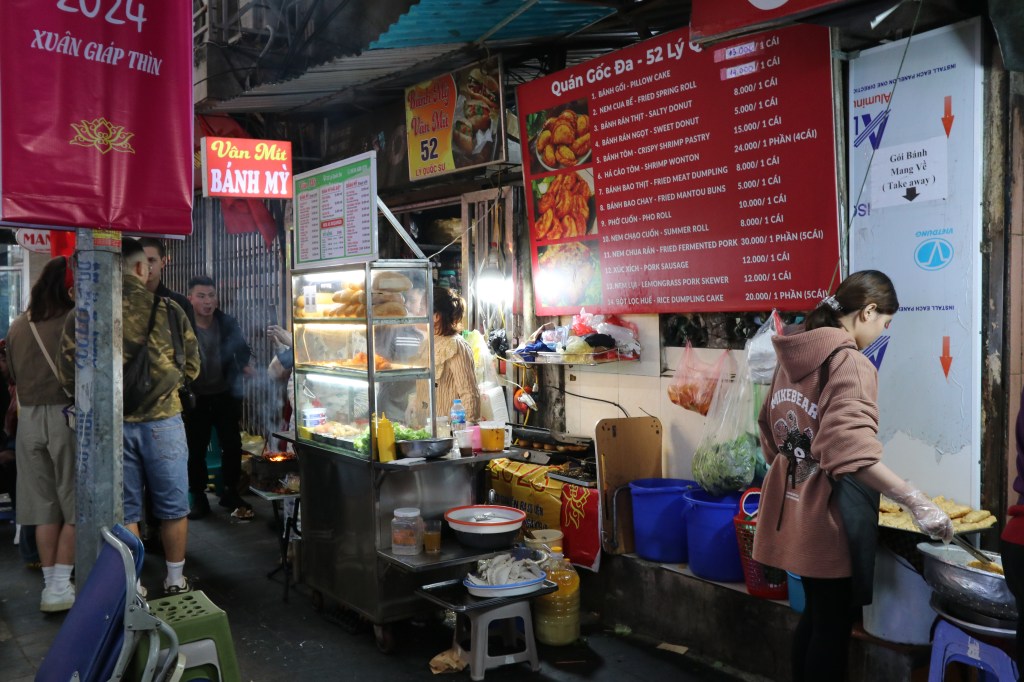
The evening we went back to the restaurant from the previous evening. Not quite as busy and the food nit quite as good but still enjoyable.
8th February – Old Quarter
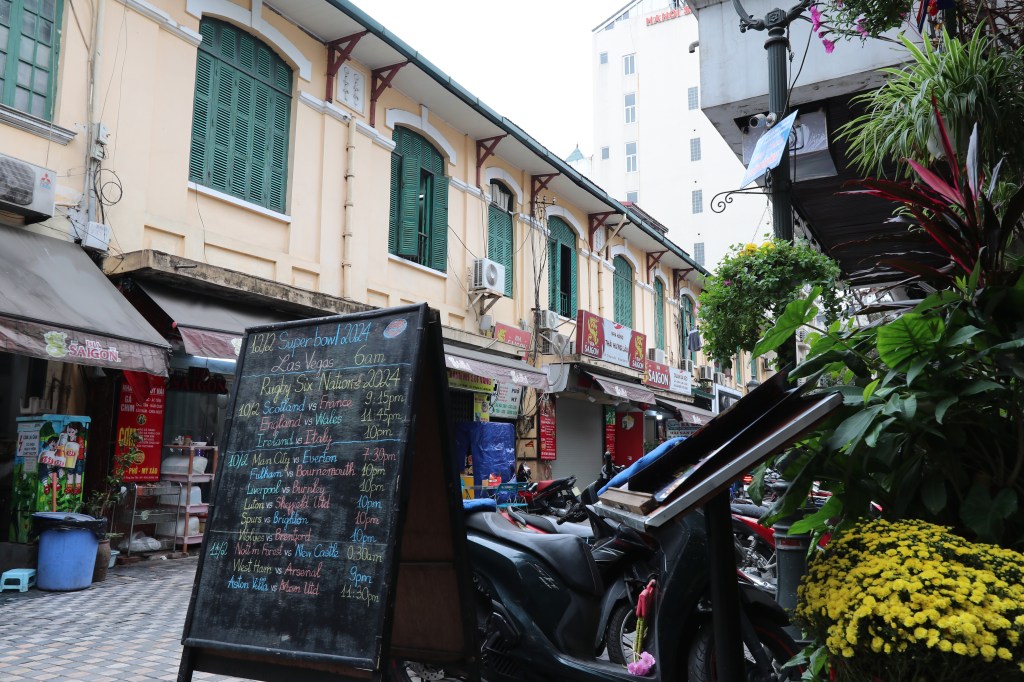
We booked a later breakfast for 0930 and nearly missed it. Woke up at 0920 and dashed downstairs. After a very sluggish start we head for Railway Street about 1km from the hotel. It was a cold day -10c – we hare hoping it gets warmer before we get on the baot. Before we got to the Railway Street we ended up in an area near Po Hang Bong. A little square full of eateries and seemed to be a bit of a backpackers area. We stopped at a ‘sports cafe’ clearly catering for the English! Gillian went for a cappuccino and I went for a Vietnamese Coffee with condensed milk. Very strong and very sweets.
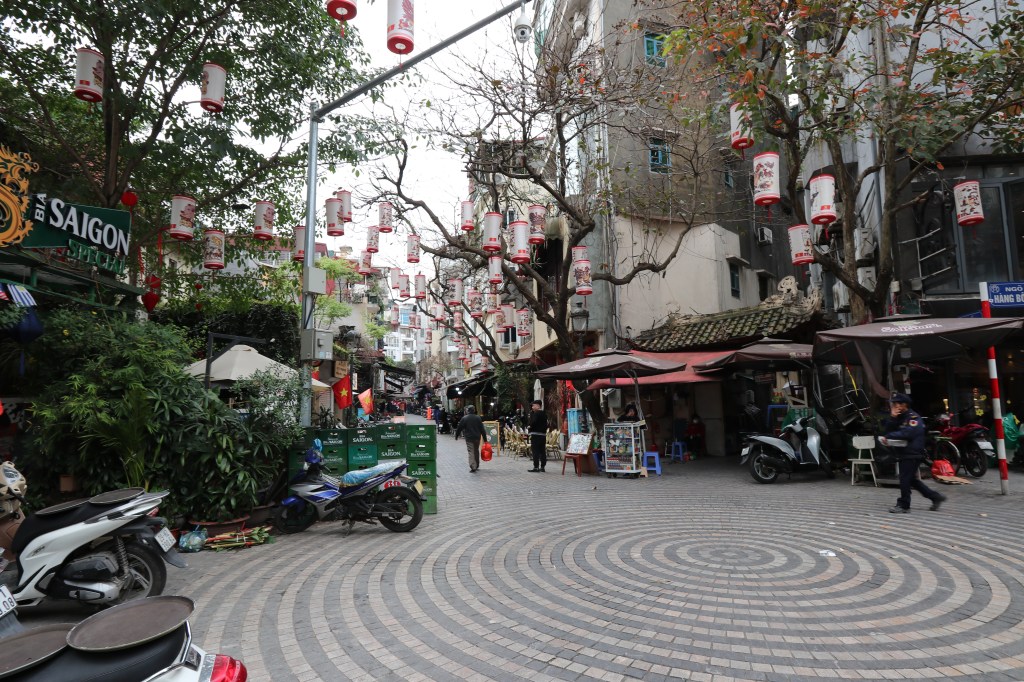
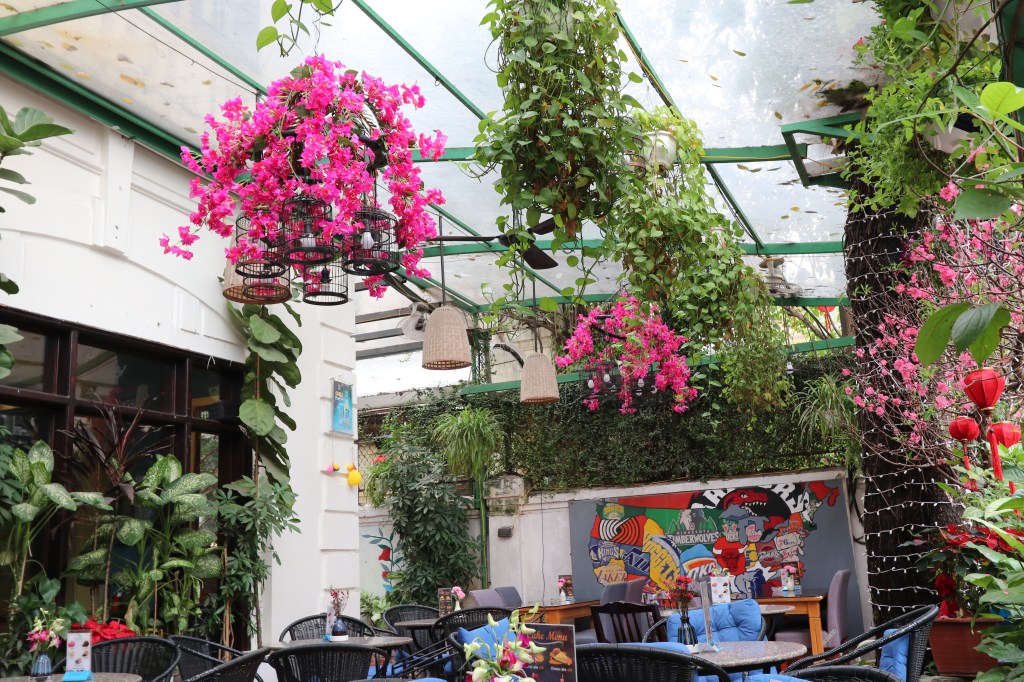
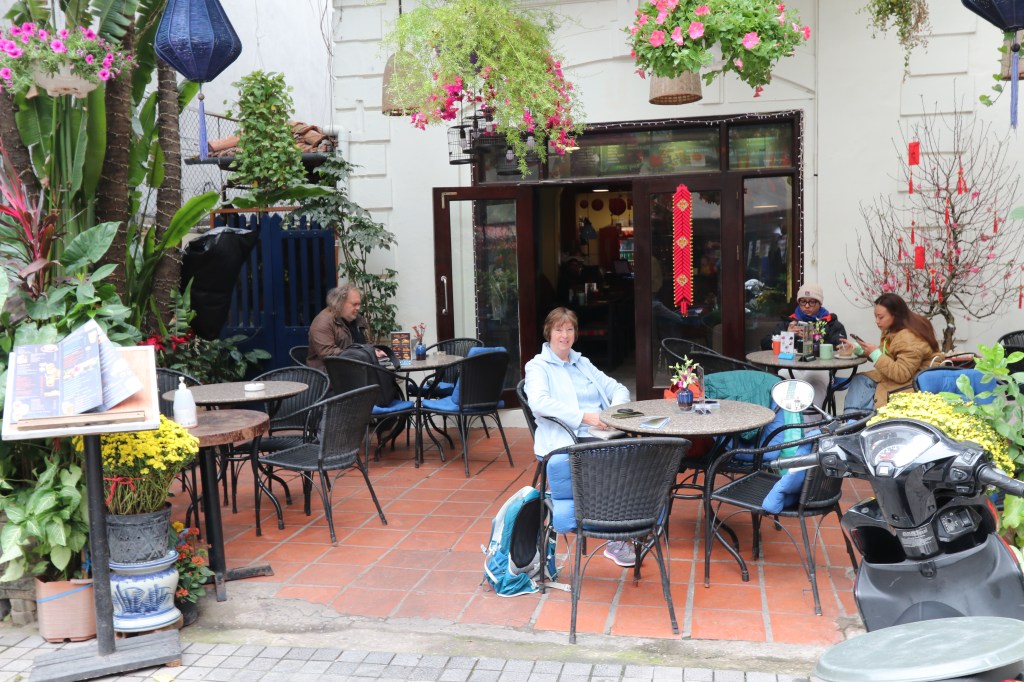
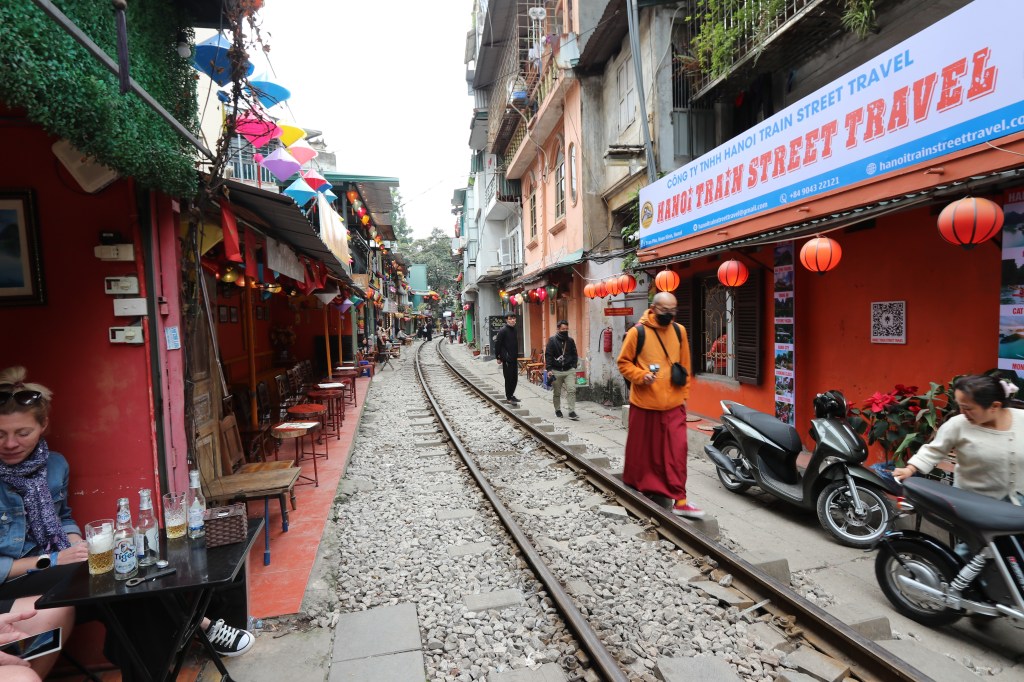
We then fought our way across streets full of motorcycles to Railway Street. The authorities at one time tried to close it but there was a howl of protest from the cafe owners who made a living from the tourists who came there. We stopped for a drink and to watch life wander by! The owner has lived for 20 years in Soho and had recently moved back to Hanoi – not as expensive as London she stated! We found the people extremely friendly and helpful.
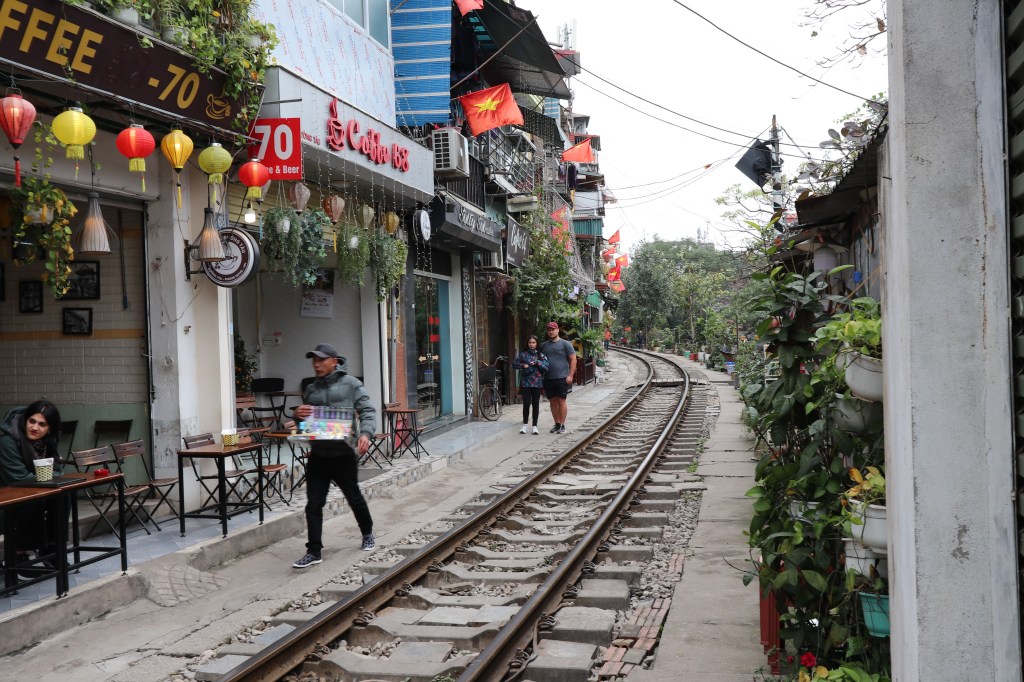
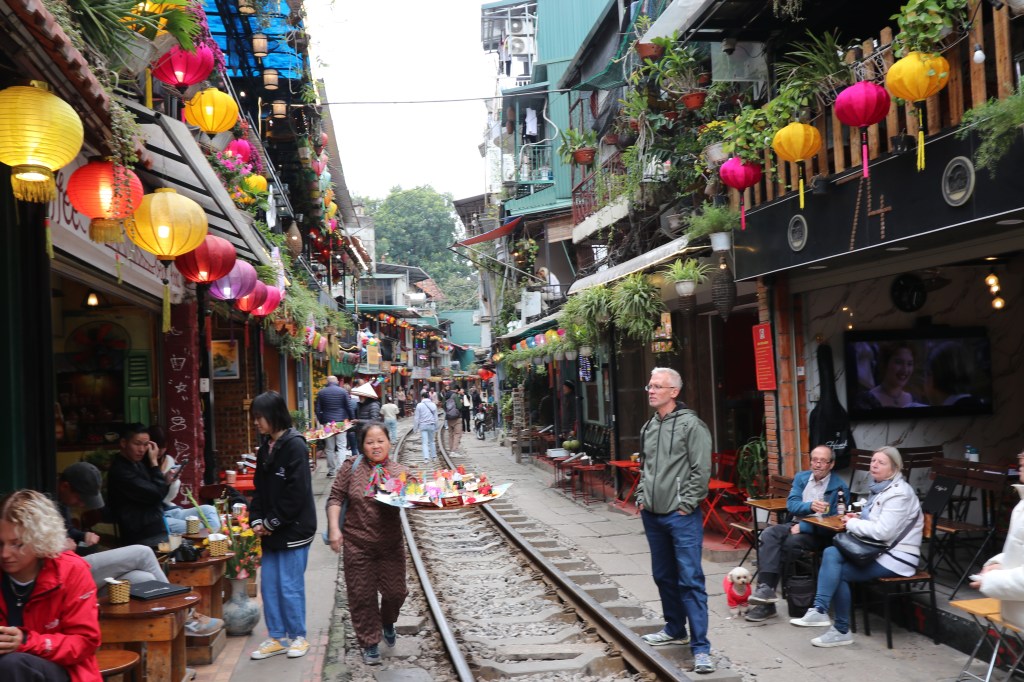
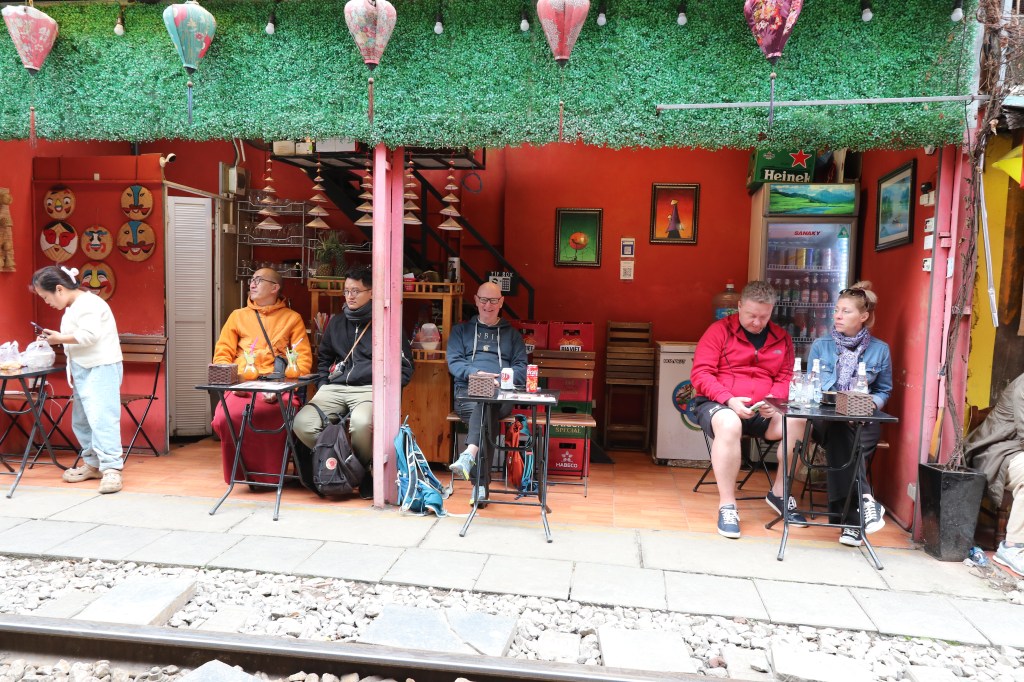
Following the drink at the Railway Street we headed out for the Old Quarter and Long Bien Bridge. It was famous for the US bombing it and the Vietcong rebuilding it – it was nationally felt to be a sign of resilience against the Americans. The road were extraordinarily busy and you just had to ignore the traffic and forge your own way along the streets – it was at times a bit exhausting! Everywhere we went there were lantern and the blossoming flowers which only appear at the time of New Year.
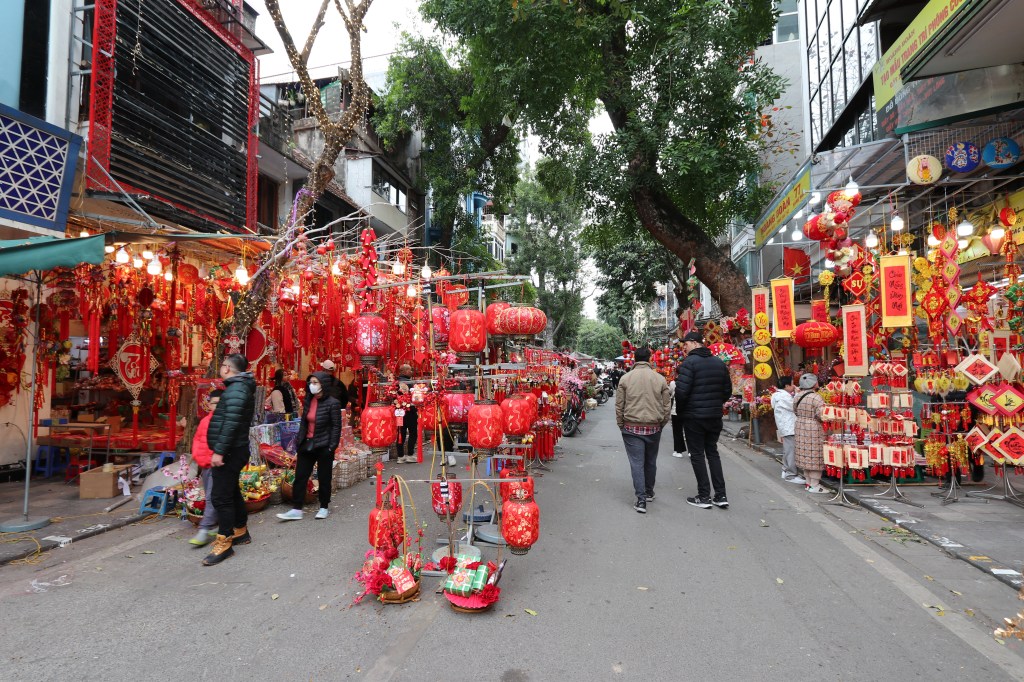
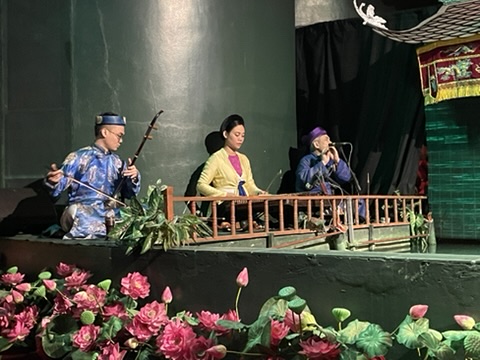
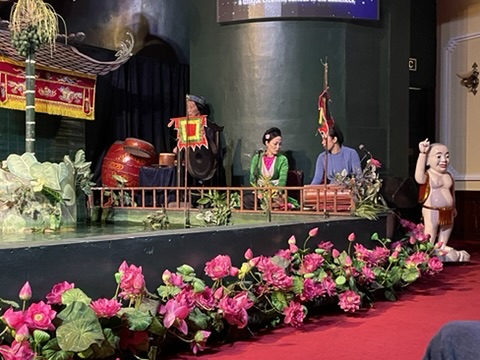
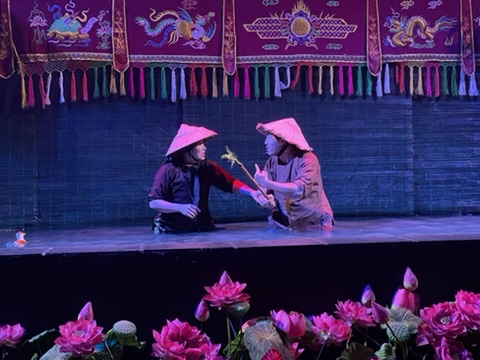
In the afternoon we went to a water puppet show. We were not sure what to expect and thought it would fill in an hour and provide us with a little culture. It was a lively surprise. An excellent show. They displayed in English and French the gist of the story before each playlet. The music was on traditional instruments and the puppets were extraordinarily well done. All took place on water in the theatre. We came away impressed but also despite it being just an hour with a small feel for the culture of the country. For our generation Vietnam brings memories of the Vietnam war which was in effect two wars – Indo-China from around 1945/6 to 1954 and then the Vietnam war 1955-1975. Over 30 years of war. We generally interpret the conflict from a Western perspective. Two books were recommended by Lonely Planets to read – Graeme Green – A Quiet American (Indo China War) and The Sorrow of War Bao Ninh who describes the Vietnam War from a Vietcong perspective. The losses on their side were huge and probably in percentage terms were as damaging as the 1st WW was on British society.
As we had not eaten since breakfast and it was cold we wanted to find a ‘sit down restaurant’ with a bit of elegance. After a google search we found the Mia Restaurant which was a short walk from the hotel. A great find – a little expensive by Vietnam standards – but the food and service was excellent. I had Buhn Cha and Gillian had a sea food soup. It was so good we booked for the following night – Chinese New Year – Year of the Dragon
9th February – Old Quarter
Our last full day in Hanoi. The morning we spent in the Old Quarter visiting The Heritage House (closed), the East Gate – yes it is quite old and the Bach Ma Temple – quite small. We have definitely got used to the traffic – walking the roads like pros with bikes whizzing past us on either side.
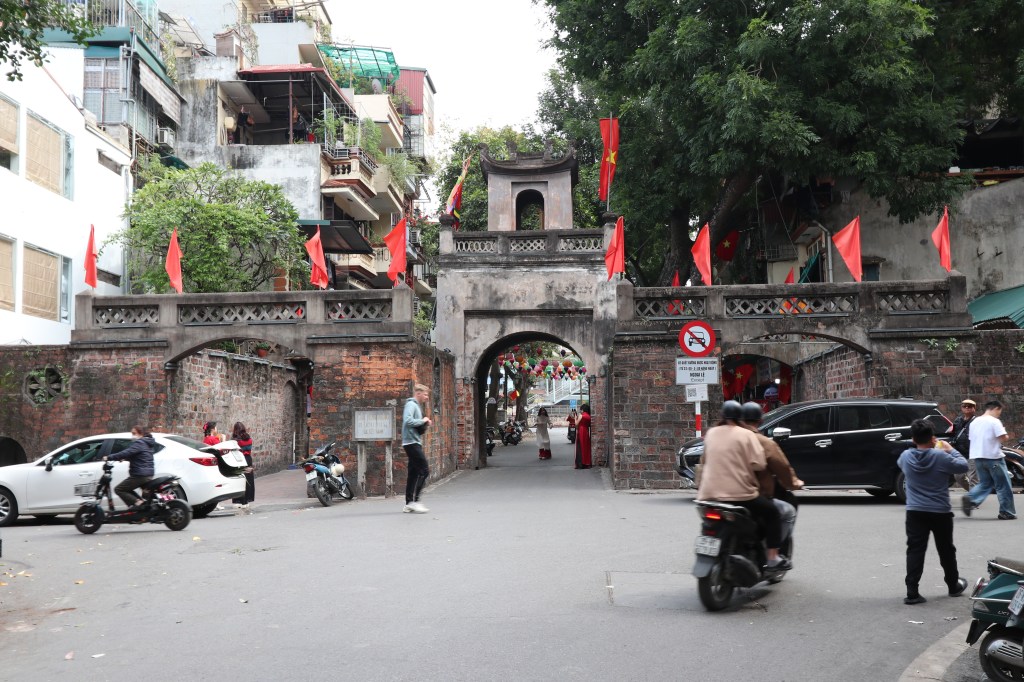
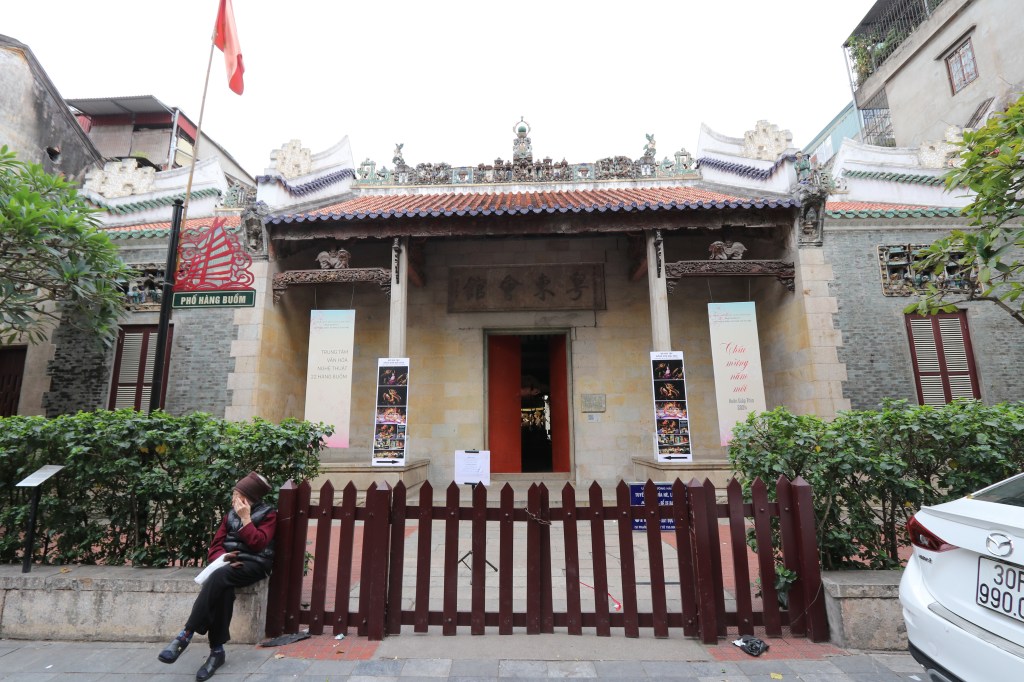

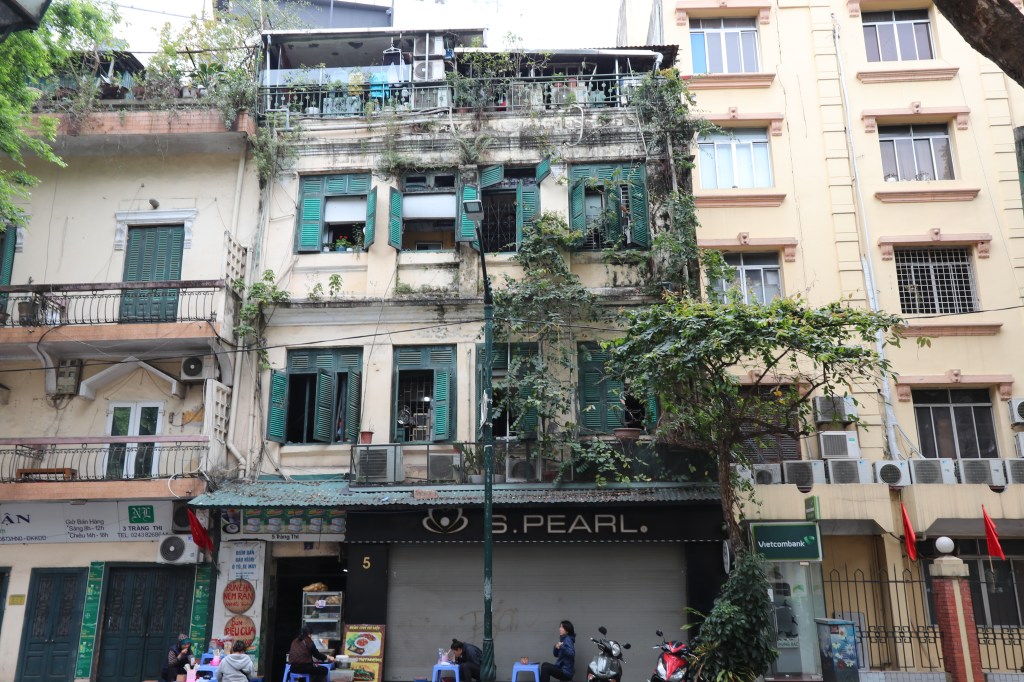
From the Old Quarter we wandered back towards St Joseph’s Cathedral intending to find a coffee shop to stop and rest our feet. Having ordered drinks and sitting on the little stools contemplating the world as it passed by we were taken completely by surprise to Will and Maura walk past. We each had no idea the other was in Hanoi. After we caught up with each other we tentatively arranged to met in the evening – sadly Will had eaten something which had not agreed with him and this did not come to pass.
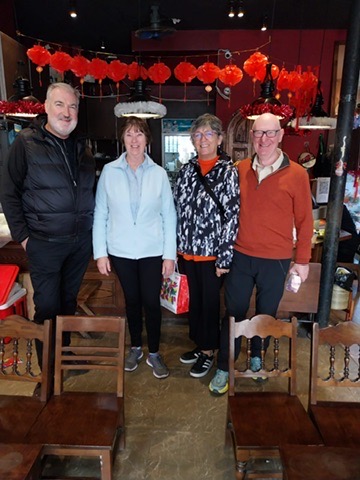
The evening we went back to the same restaurant and ordered a Northern Vietnam Meal for 2 – mixture of egg plant, pork, soup, shrimp, sticky rice and garlic spinach. This was followed by dessert of Coconut Ice Cream and Backed Banana. We left not quite bursting at the seams but not far off.
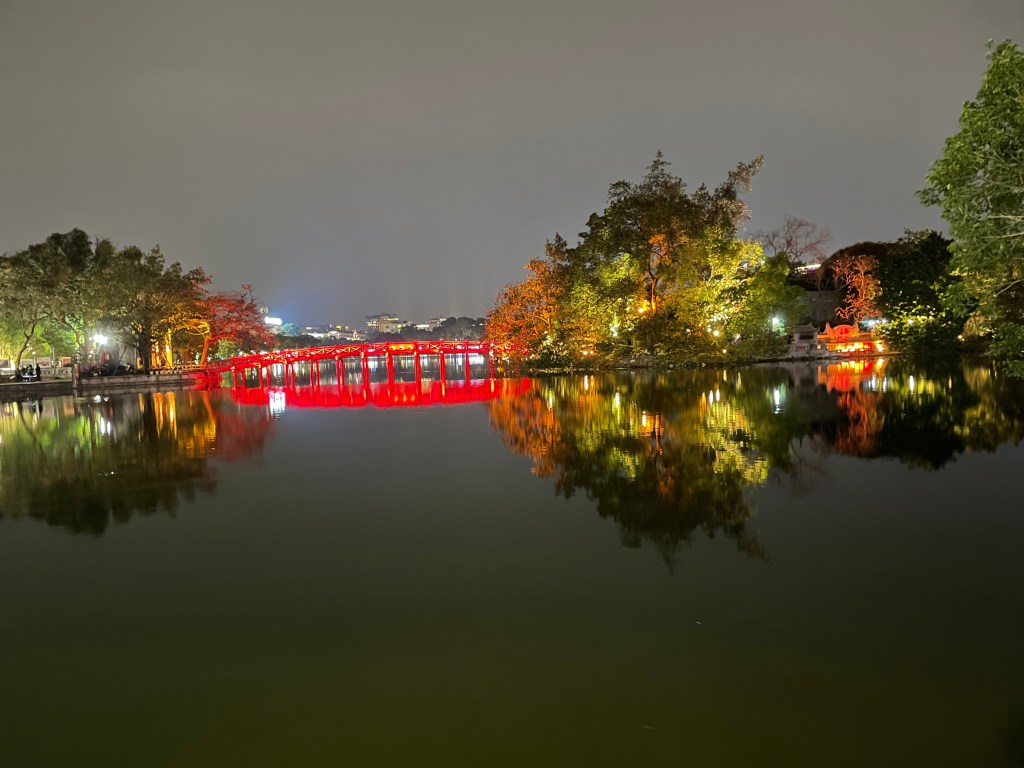
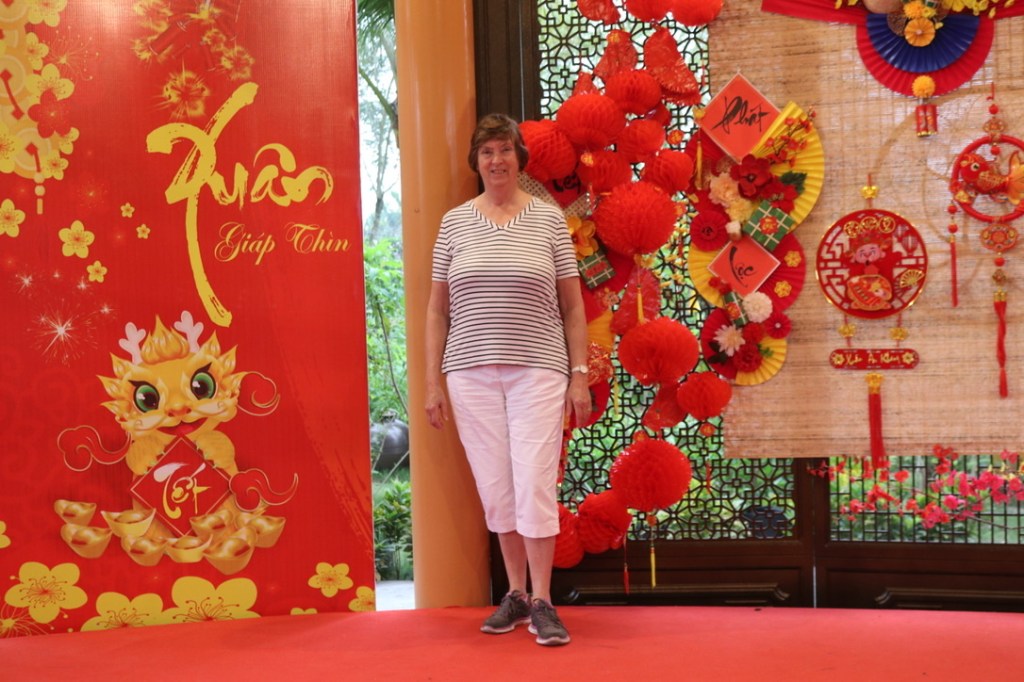
The lake area had been cordoned off and there was no traffic. After days of dodging motorbikes and listening to the constant whine and hum of the engines – it was blissfully calm. Everyone was out taking photos on New Years Eve. Lots of people in red.
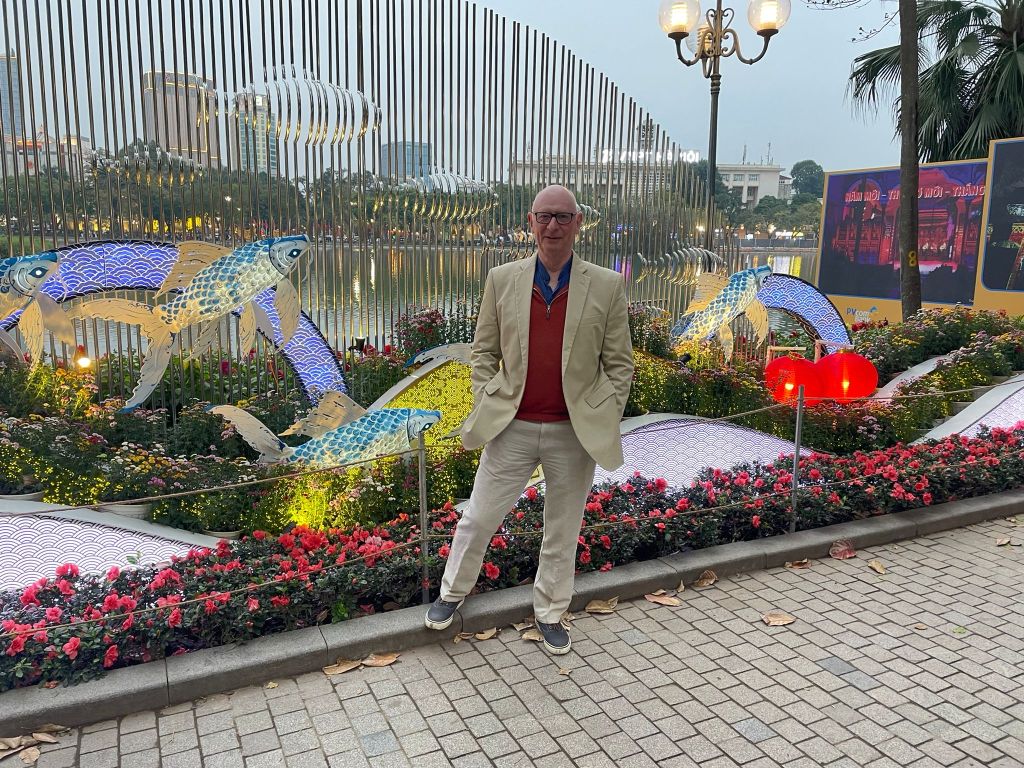
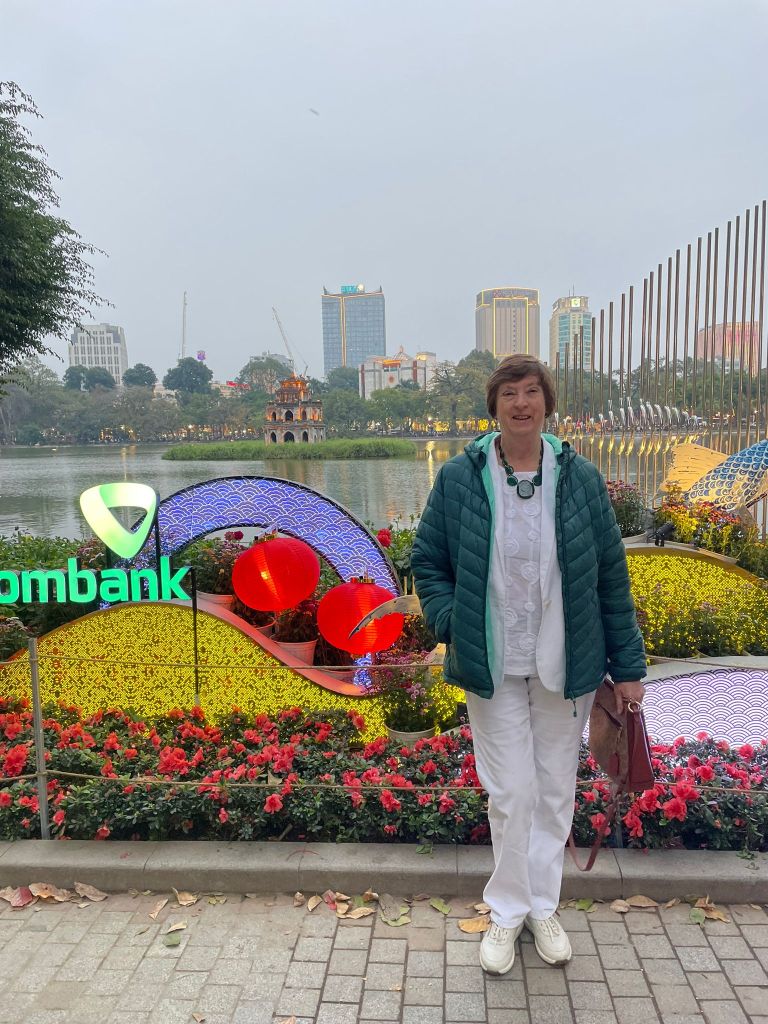
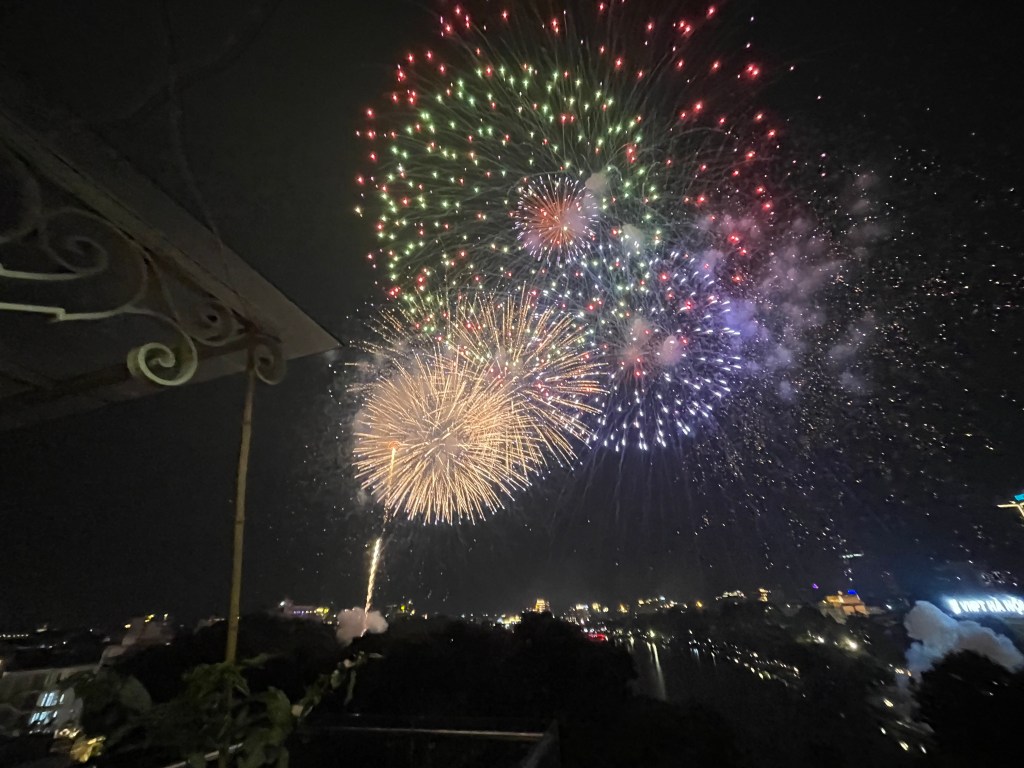
After the meal we returned to the hotel where they had arranged tables on the roof for guest to watch the fireworks. There was one large table I think of Chinese and next to us a family of 3 from Hanoi. Food was served from the patisserie next door and we shared a bottle of wine. The view was perfect – across the lake – with the fireworks exploding directly above our head. A huge display that went on for at least 20 minutes. There were crowds and music around the lake and there was very much a celebratory atmosphere.
10th February – Halong Bay
At 0700 I could hear them re-arranging the chairs and tables on the roof – a hell of a racket. Gillian slept through it all without moving a limb. We went down to breakfast and I had noodle crab soup – which after the amount of food eaten the day before I did not really need – but it was delicious. As we were leaving the hotel gave us a new year present of Vietnamese bells – a lovely touch. The bus trip to Halong Bay was a couple of hours.
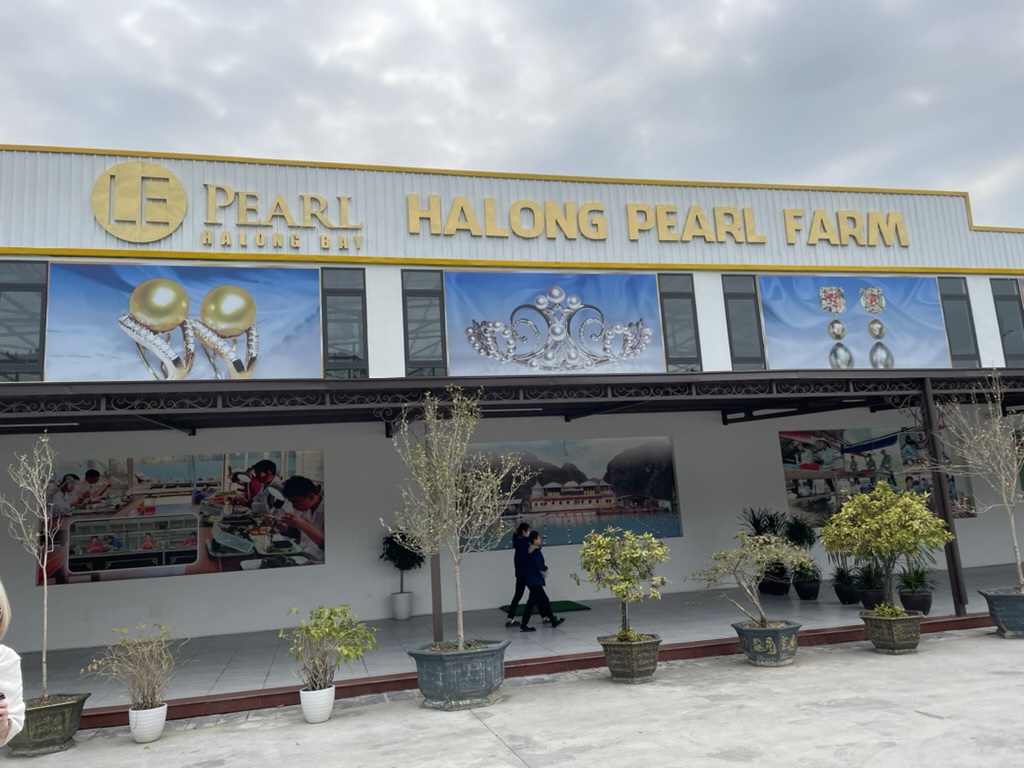
Just before we arrived we stopped at a Pearl Farm and Factory where they took us through the process for developing cultured pearls. I was keen to buy Gillian something but she was quite firm and stated she did not want anymore jewellery. However she did buy me as a birthday present a beautiful set of pearly cufflinks.
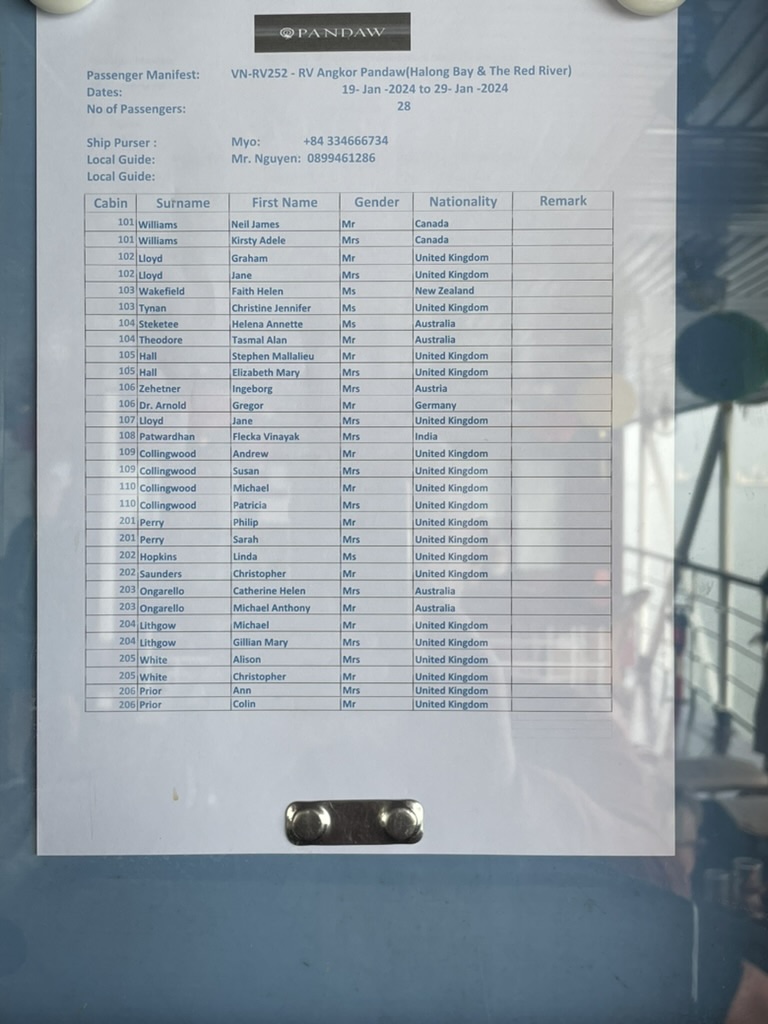
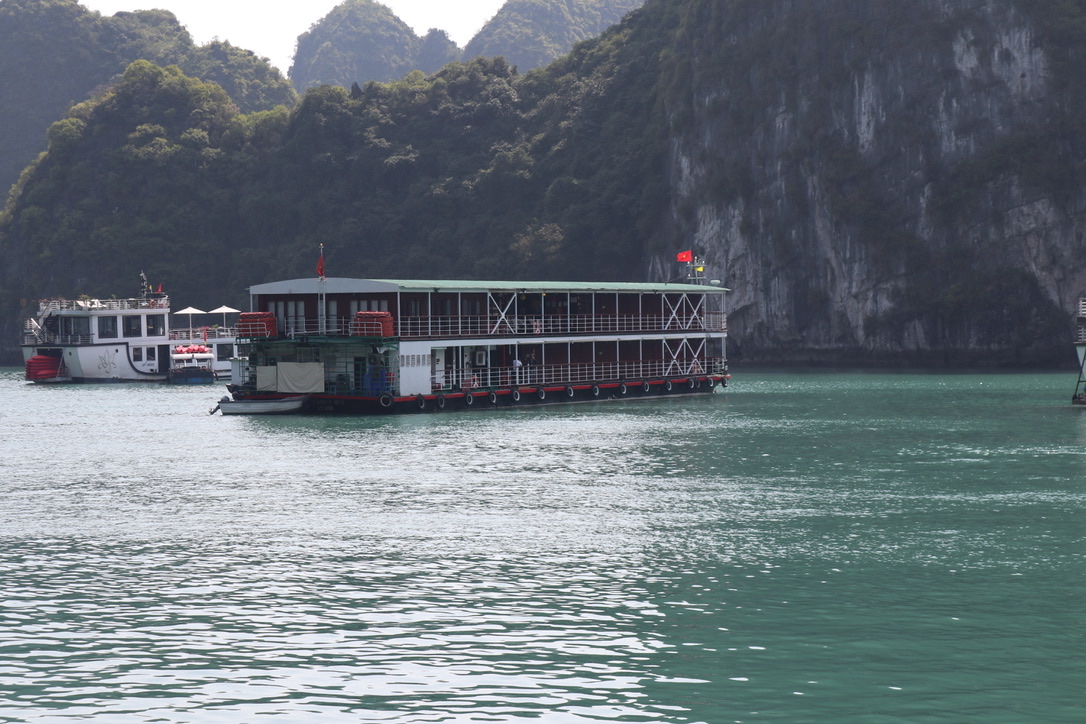
There are 30 of us on board – a few more than the Laos trip last year. The trip out of to the middle of the bay was lovely but very cold. The scenery is stunning but impossible to give it true justice on digital photos. We anchored for the evening in Halong Bay surrounded by other cruising boats. We had lunch on board with Helena and Tas from Australia and supper with Sarah and Philip. We were both quite tired from staying up till 0100 this morning and after the Pandaw Film we both gleefully climbed into bed.
11th February – Halong Bay

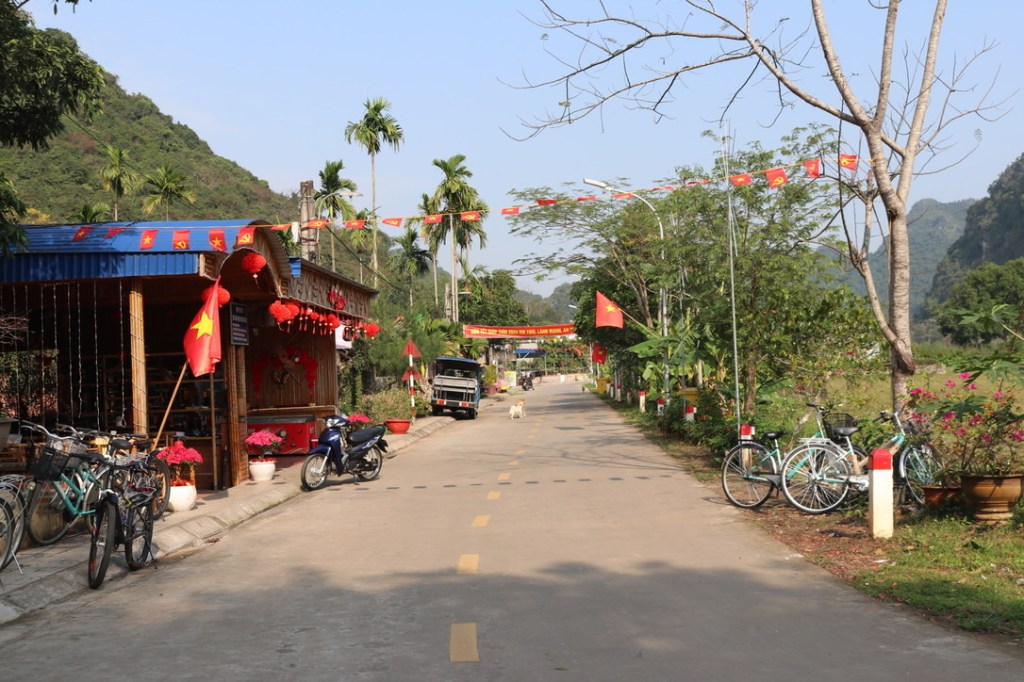
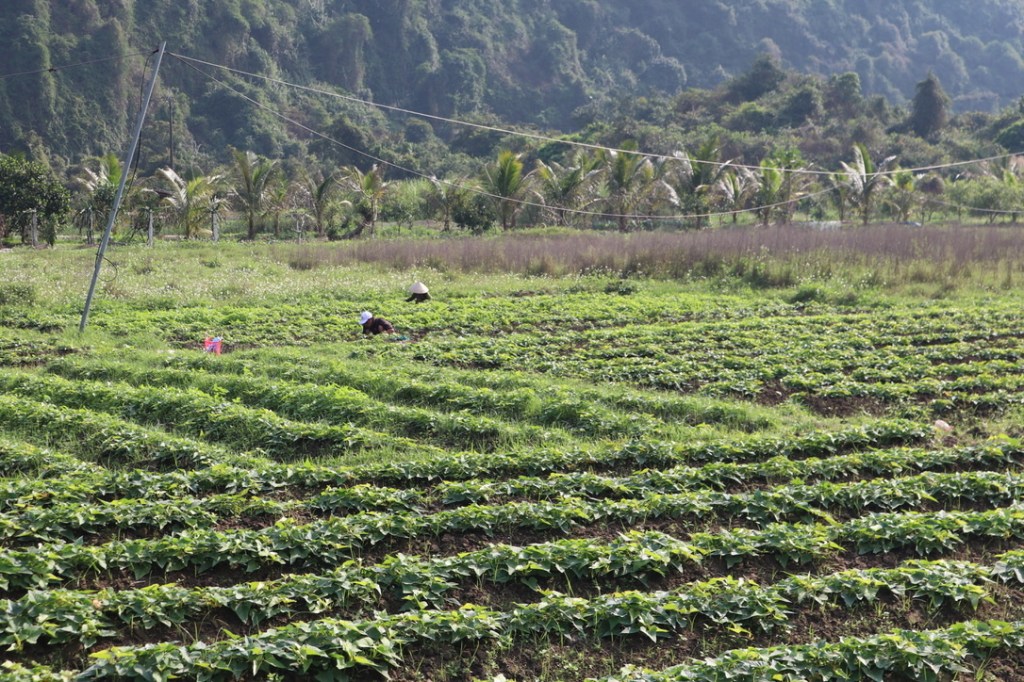
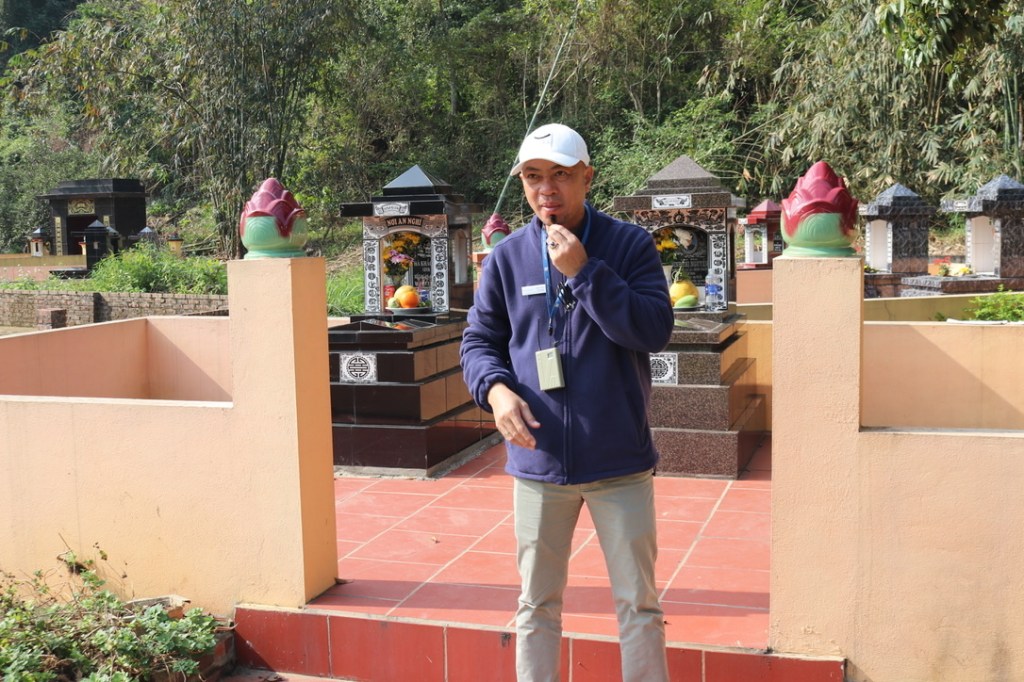
Bit sluggish this morning when we got up. We picked up anchor and cruised further into Halong Bay stopping at the largest island Cat Ba at a place called Lien Minh. This was a fishing village but the government decided to relocate all the fishermen with compensation and then establish a tourist village and having walked through it they seem to have done quite well. Compared to the villages we visited in Laos this one was wealthy. We transferred from Pandaw via a local boat and took electric buggies around 5km inland to Lien Minh. It was impressive the lengths they have gone to to be ecologically friendly. Electric buggies and bikes were mode of transport. The village itself was spotlessly clean. In addition to cafes and accommodation, the villages had a thriving farming community mainly growing vegetables which they supplemented with fish. The village school looked modern and well maintained.

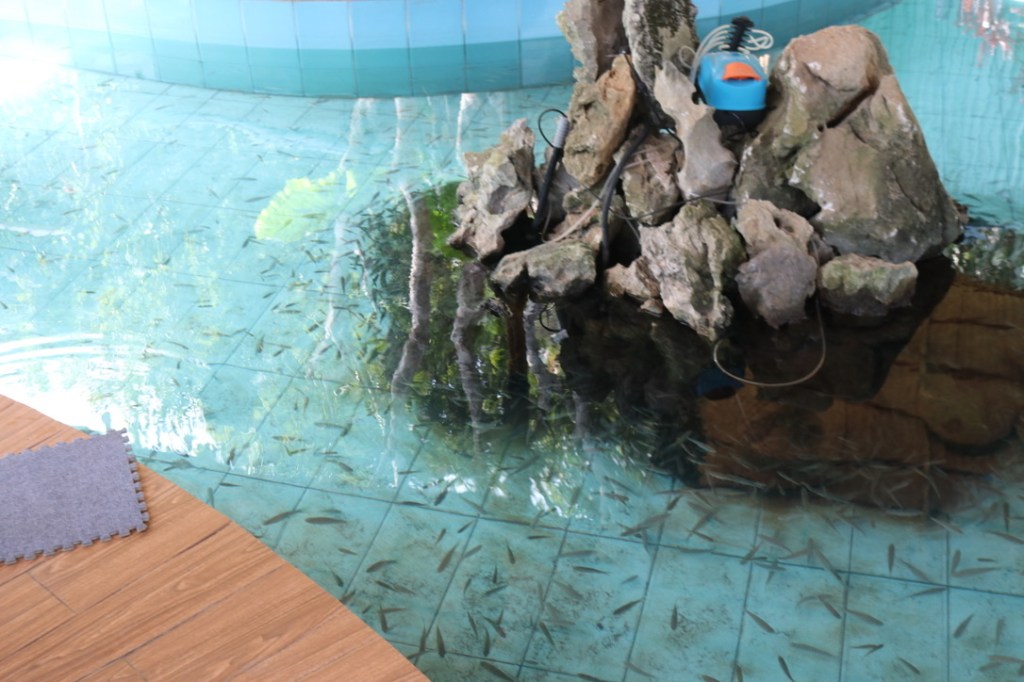
We stopped for some ‘wine’ – it was not very clear what it was made from but there were jars of snakes in liquid which it was hinted was the basis of the wine! We also stopped at a ‘fish bar where we dipped our feet in the water and had them nibbled by shoals of small fish. Once you had got over the rather odd feeling of your feet being nibbled it was quite pleasant.
Late afternoon I finished the book Sorrow of War which I read on the bow of the boat – very peacefull and I was the only one there. It left me a little emotionally drained – a powerful read. One of those books where you need a break before starting another. Made more powerful by reading in Vietnam.
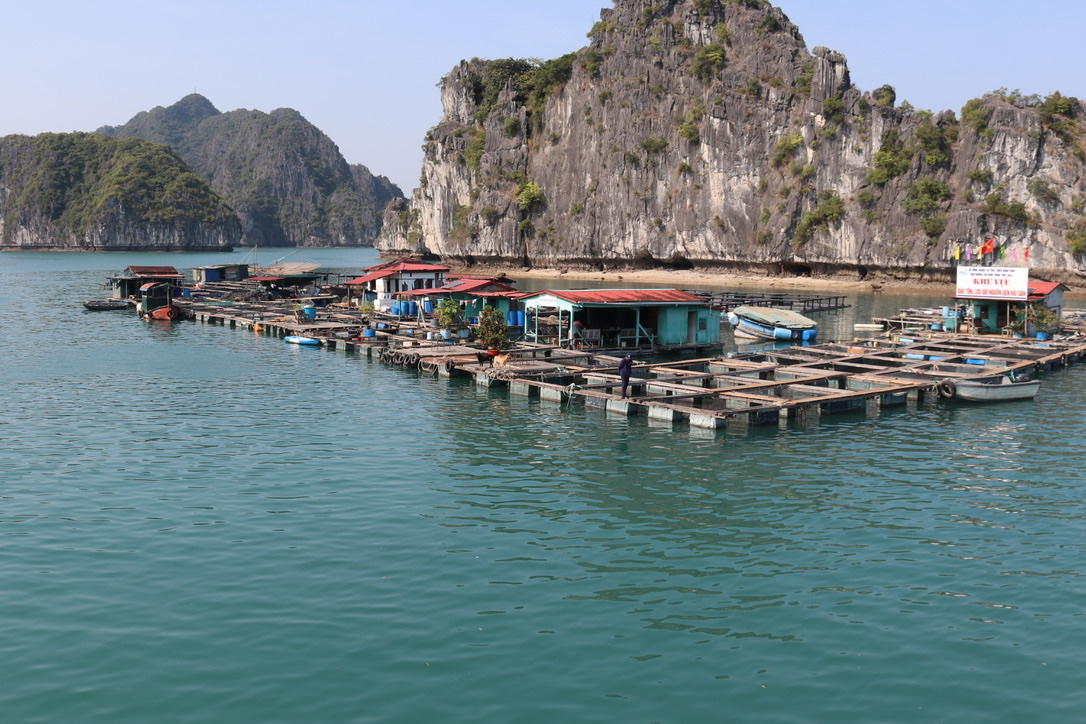
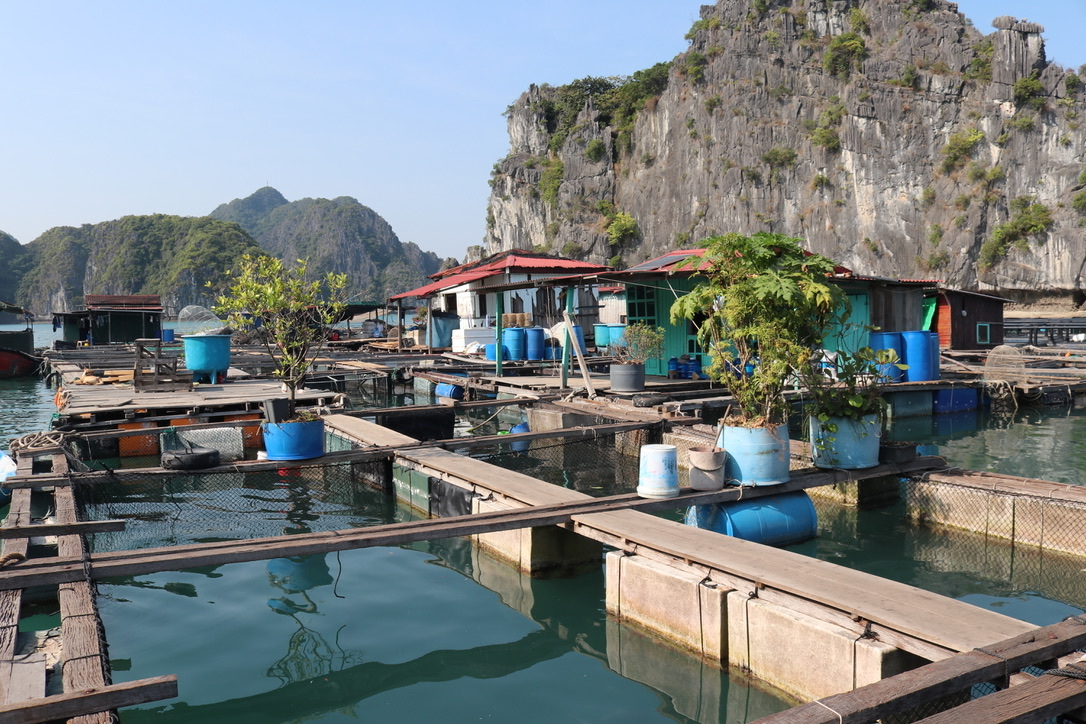
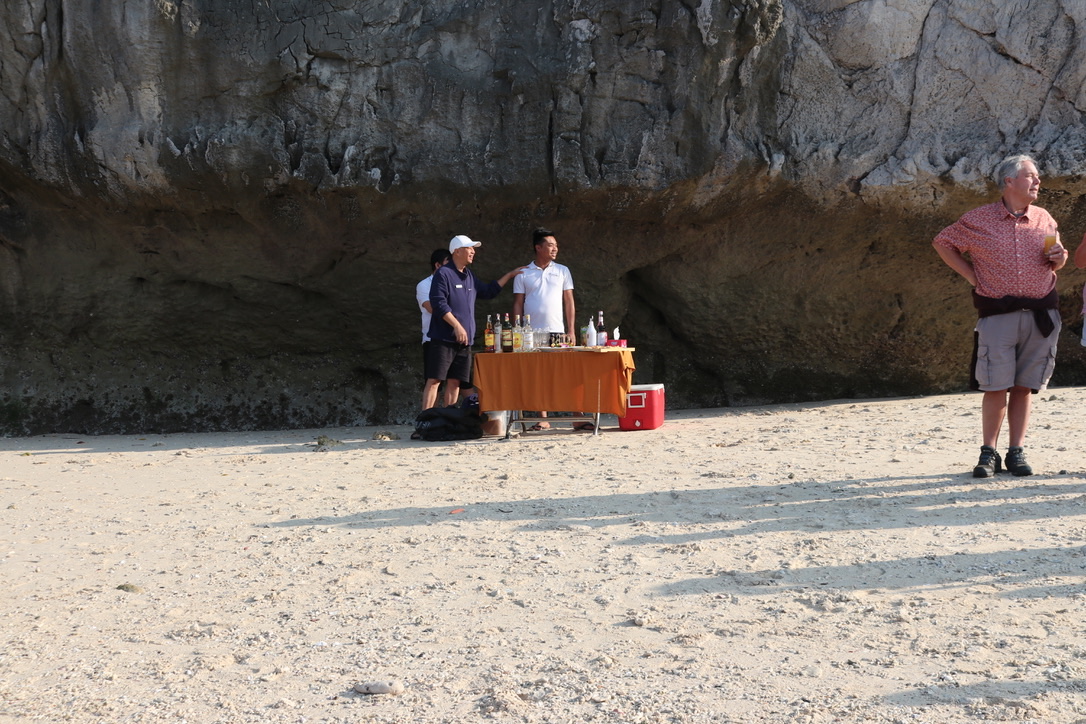
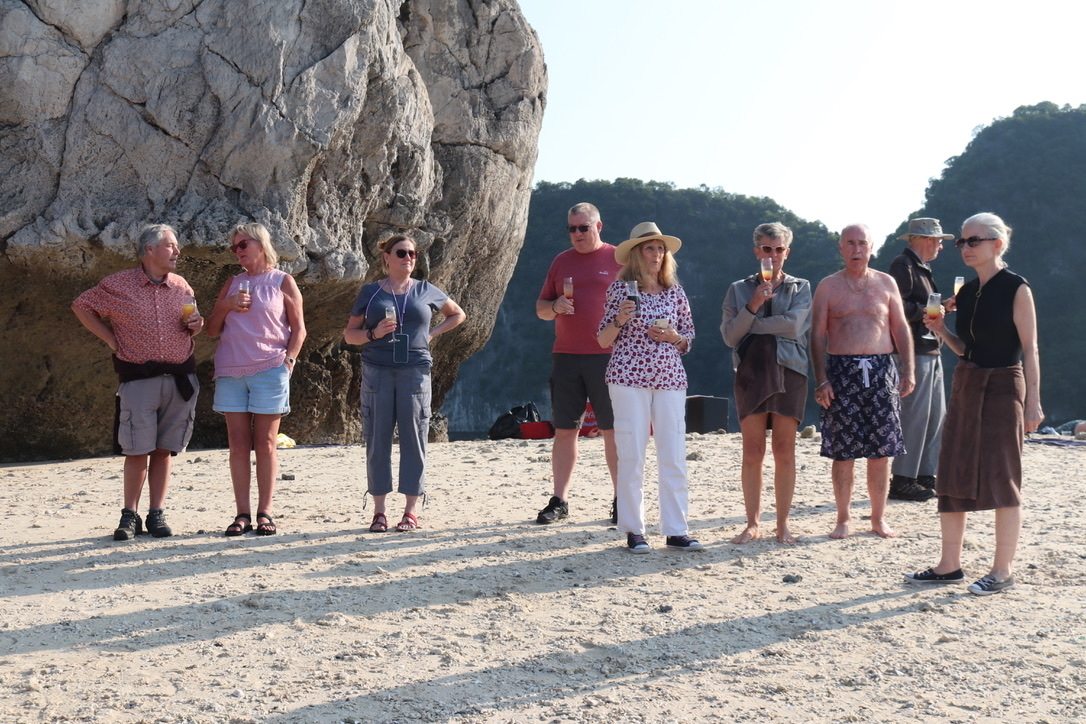
After lunch we visited a floating fishing village – again set up for tourism rather than ‘real’. But it was impressive. Fish were mainly grouper , some tuna and some bass like fish. They were being bred for high quality DNA and to release at a later date into the wild. In order to move around the fish farm you had to walk across planks of wood between the different nets. The guide mentioned that they had made the planks wider in respect of our age! Mid-afternoon we went to a beach – chairs and cocktail bar set up. A larger group of younger people were there playing volleyball.
12th February – Halong Bay – Haiphong – My Dong
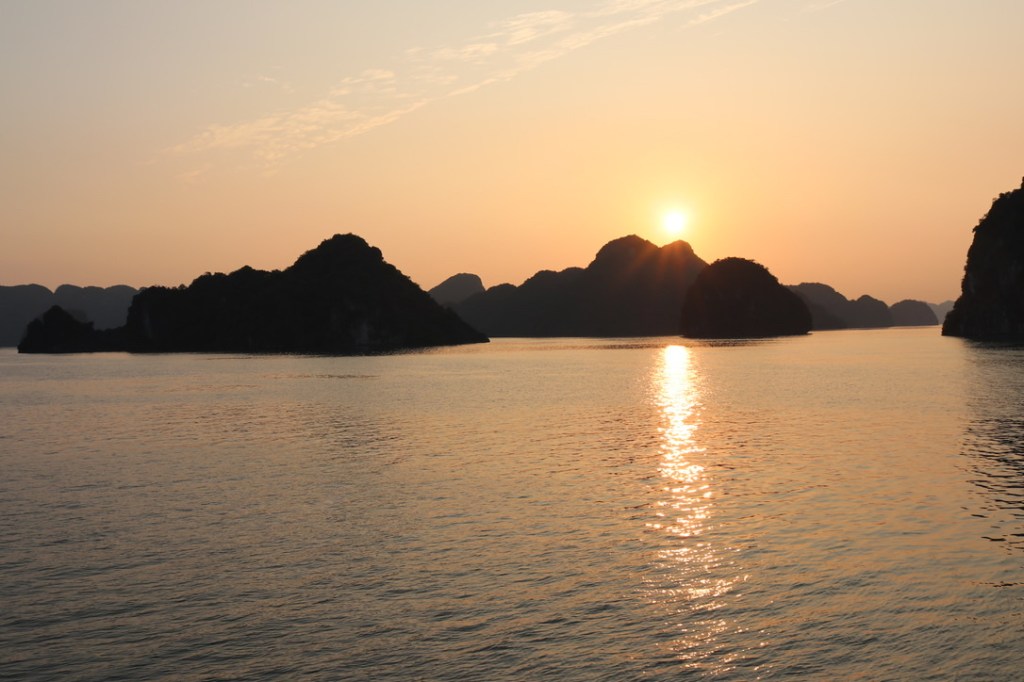
Gillian volunteered last night to do the Kayaking in the morning and she had not even drunk that much. As she lay in bed second thoughts came to her! But Gillian was determined to do it and not miss the opportunity. I got up early and enjoyed a quiet 30 mins on deck with a coffee before having breakfast. Gillian got up a little later and joined me on deck. Around 0900 the sand pans and kayaks came alongside the boat and we clambered in – Gillian in the front and myself on the back. They were very stable as we canoed away from the boat and towards the caves. On our right was a floating fish farm that was already attracting tourists. we went through a small cave/arch into an enclosed piece of water surrounded by the high limestone hills covered in jungle like vegetation. It was peaceful and we enjoyed the different perspective being low on the water provided. I had taken the iPhone for photos in the light weight waterproof jacket so every now and then we stopped to take some photos which we were convinced would not convey the majesty of the surroundings.
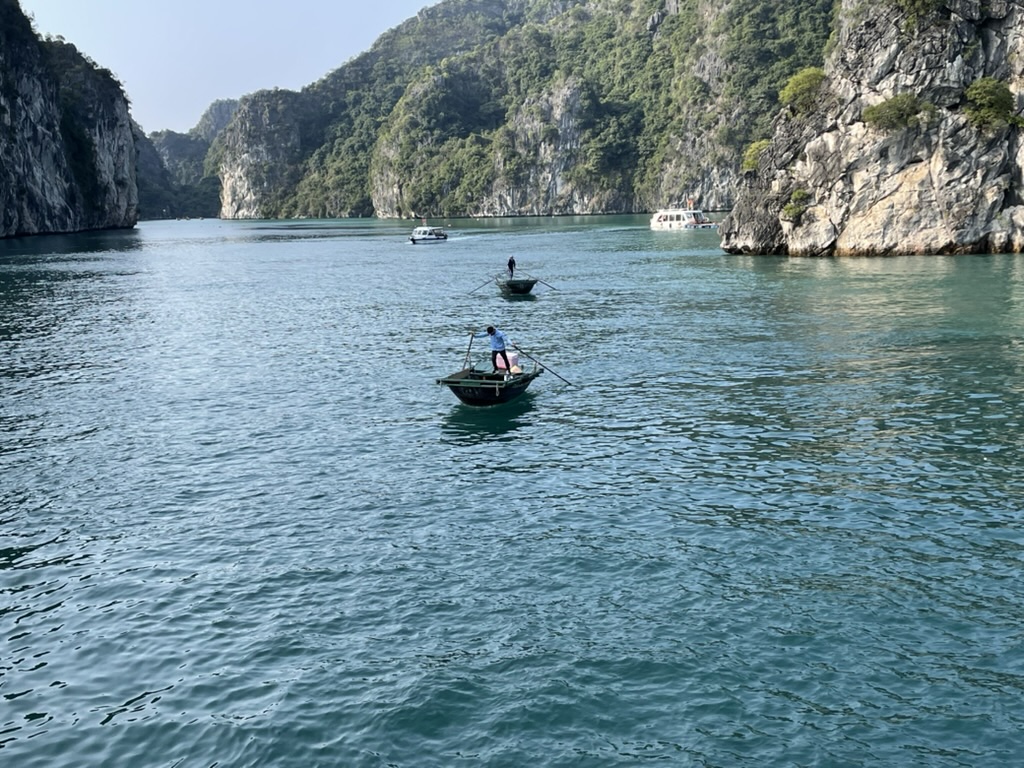
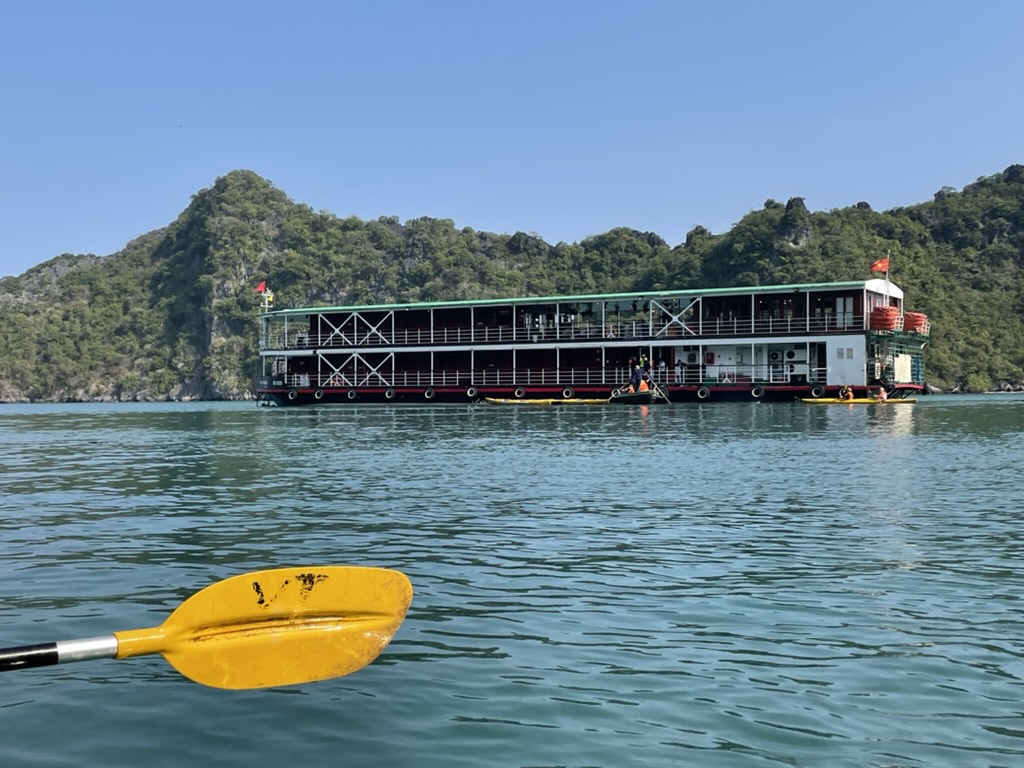
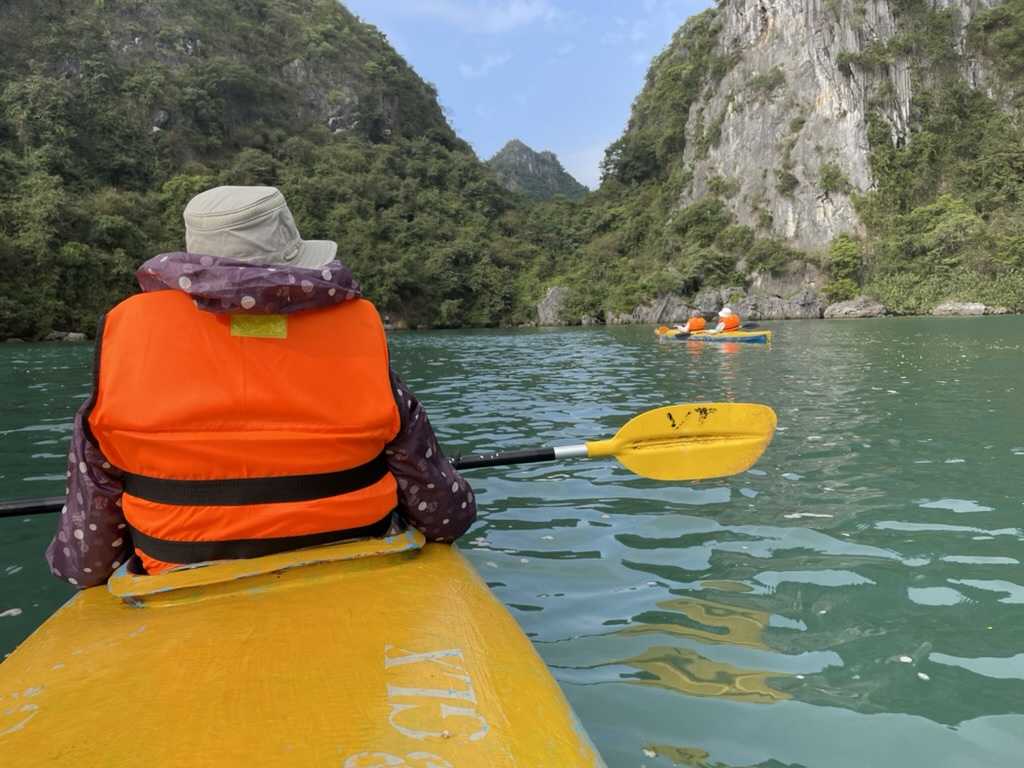
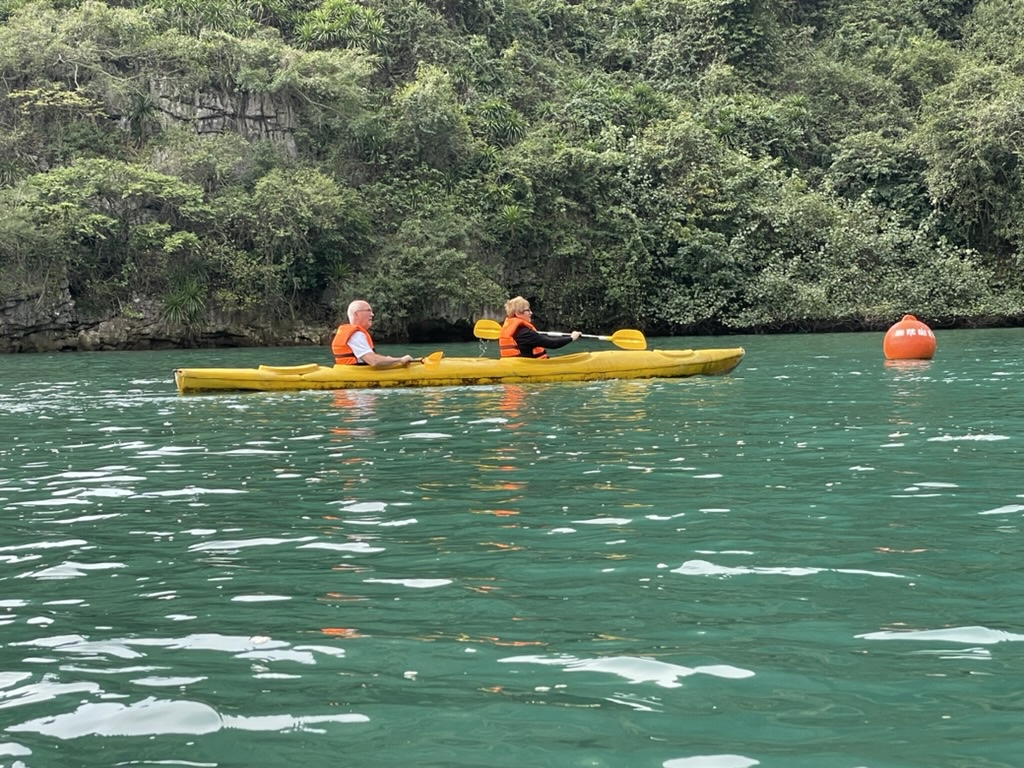
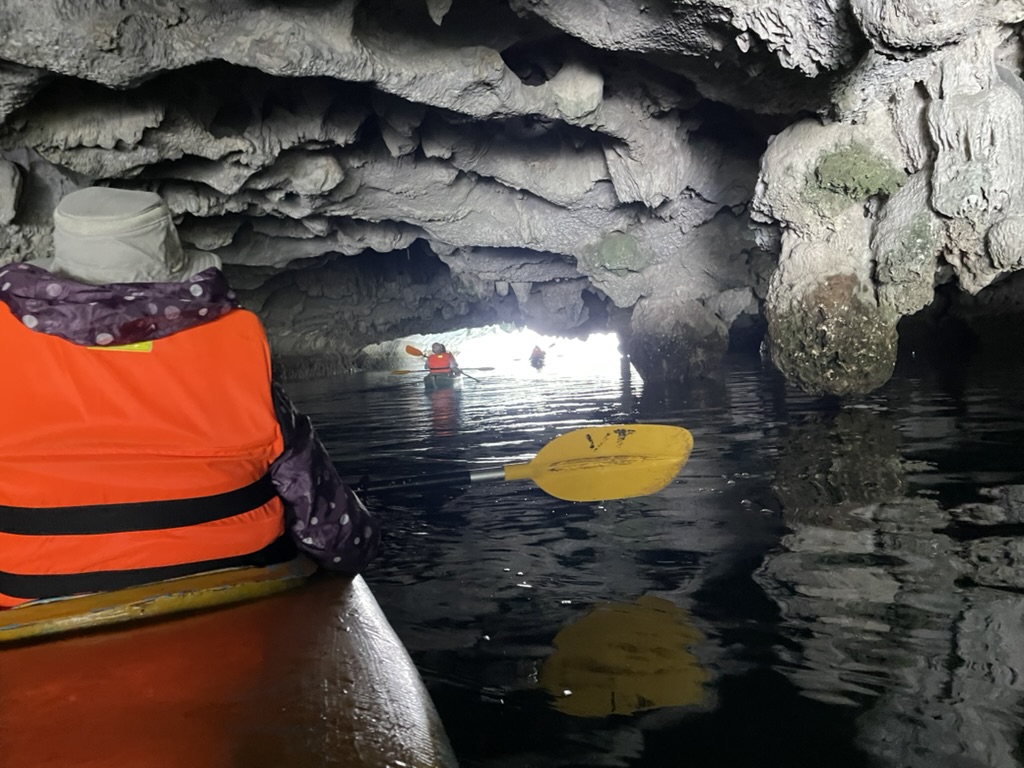
On the way back to the boat the motor launch came out to serves drinks. A bit of an art to come alongside, collect the wet towel to wash your hands and then take a drink in a glass to consume all the while balancing in the canoe holding the paddle. Back on board we showered and settled down for the remainder of the day as we left Halong Bay and made our way to the Red River.
The afternoon was a bit of a repositioning cruise. We came out of Halong Bay, past the major port of Haiphong and entered Cam River, from there to the Song Van River and moored for the night near My Dong on the Kinh Mon River. The scenery was not great and some were a little disappointed after the riotous views from Halong Bay – but I sense once we are clear of the industrial areas it will start to improve significantly.
13th February Kinh Mon River – Phai Binh River – Tien Vi/An Liet
A long day on the boat. The morning was spent relaxing and created time to re-write the dreaded ToRs for the Royal Southern Sailing Committee. A task which seemed simple in December 2023 but got progressively more difficult the more people I spoke to during the course of interviews. However – my bit I feel is now done and my conscience is clear for the rest of the holiday.
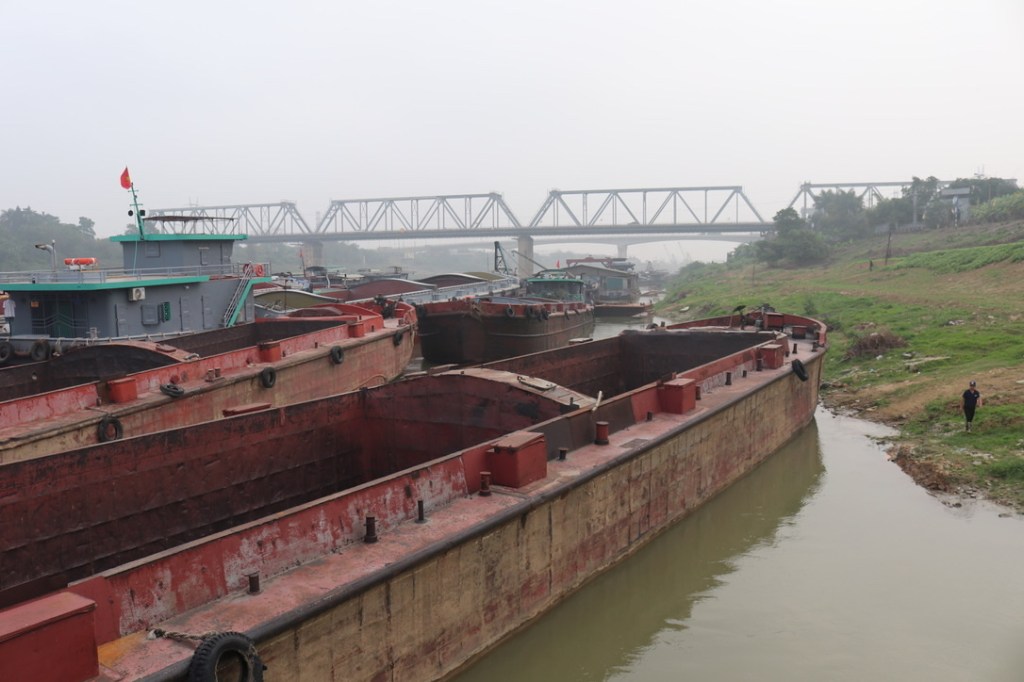
The trip down the Kinn Mon River was a bit uneventful in the morning. We passed a huge amount of shipping tied up – mostly large barges. We then found out that this was due to the Tet holiday and normally the river was packed with these barges carrying coal, cement and sand up and down the river.
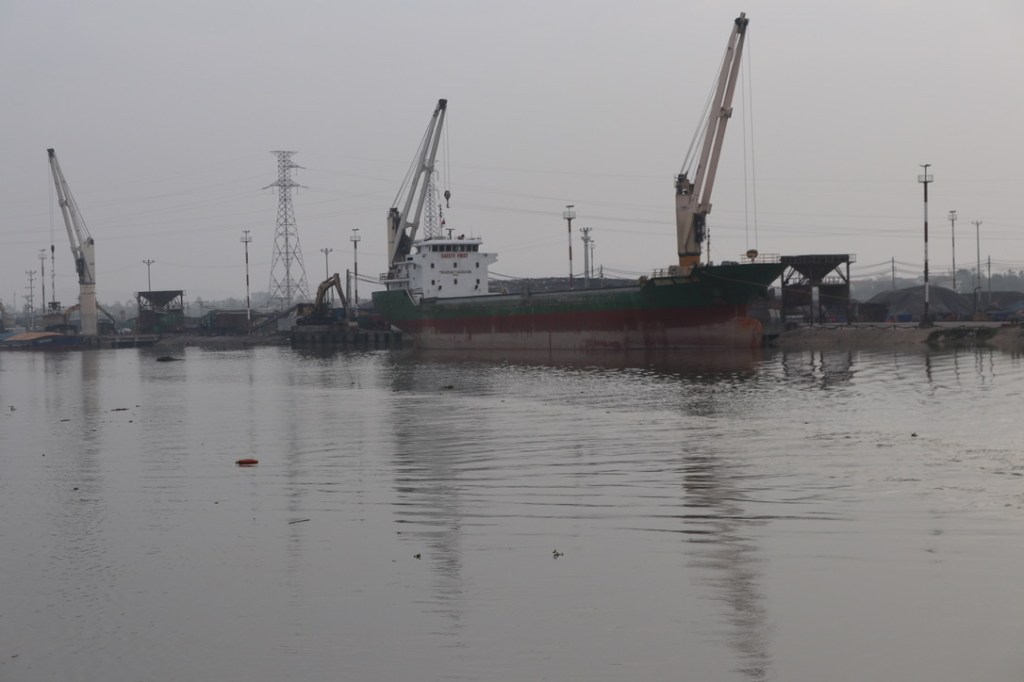
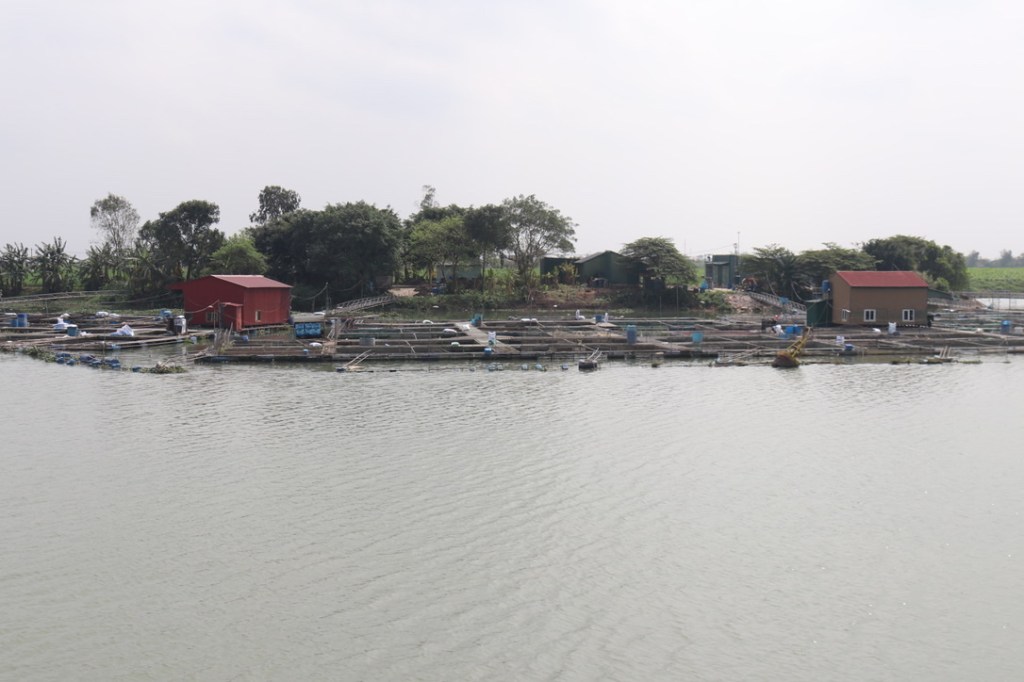
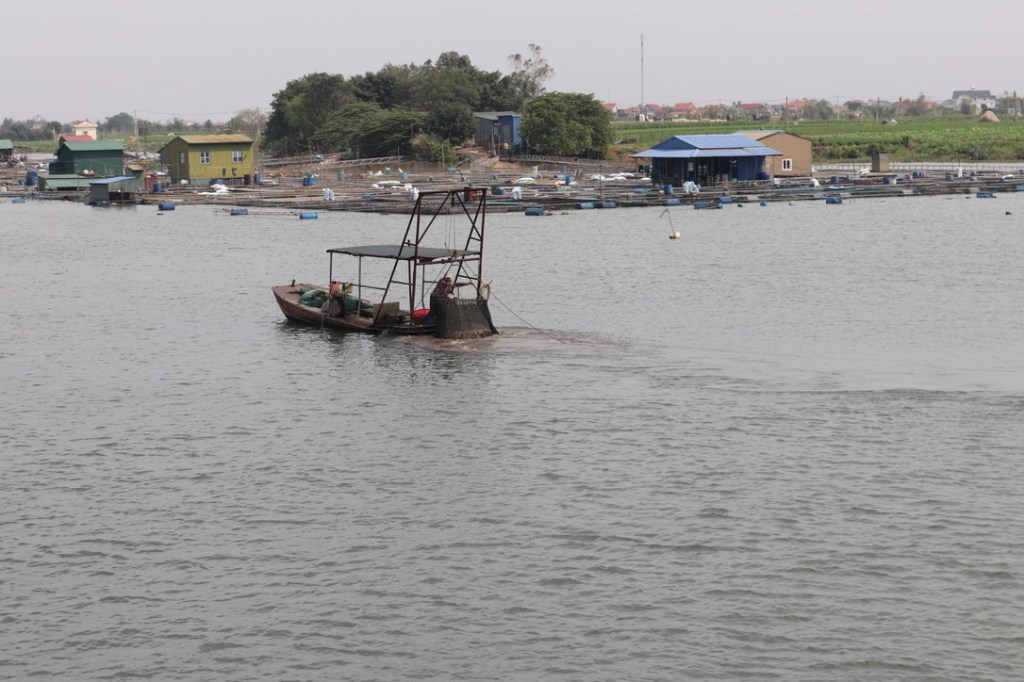
Along the river there was a large number of small trawling fishing boats – mostly single manned. In the background you can see one of the many fish farms that dotted both sides of the river.
The guide gave a talk on the history of Vietnam in the morning – which was not a happy tale. He covered the plight of the boat people after the fall of HCMC which we had both forgotten about. A tragedy of immense proportions which at that time was not either understood by the media or not covered in an age where news was not all pervasive. Whilst the country has an outward look of modernisation it is clear that for the people of Vietnam it is not a ‘free’ place to live with many restrictions, arbitrary arrests, eye watering taxes and little freedom of speech.
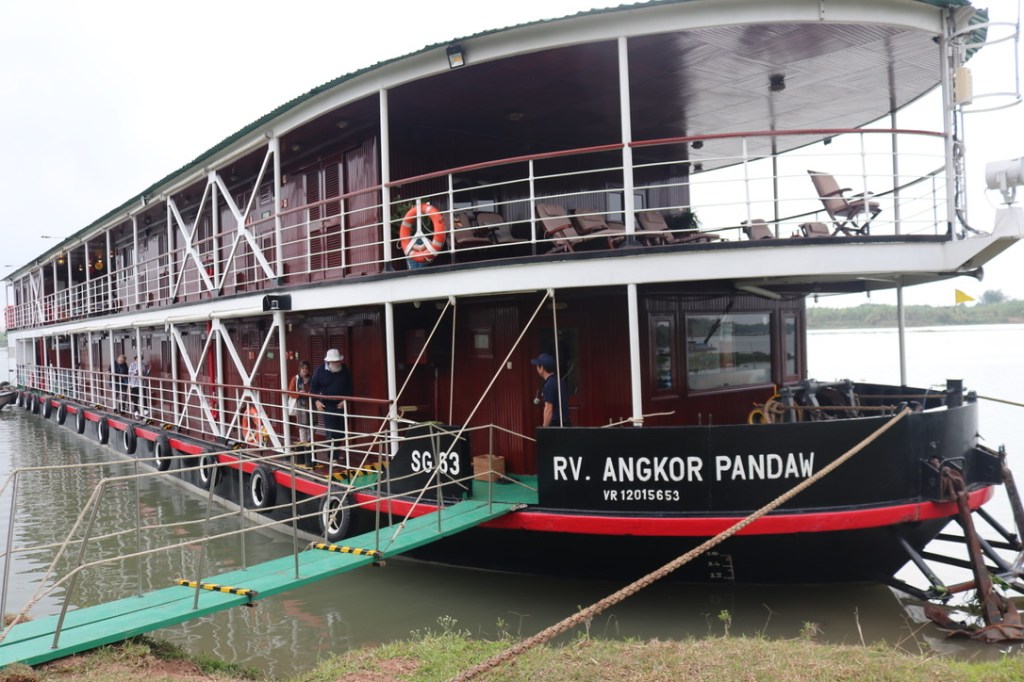
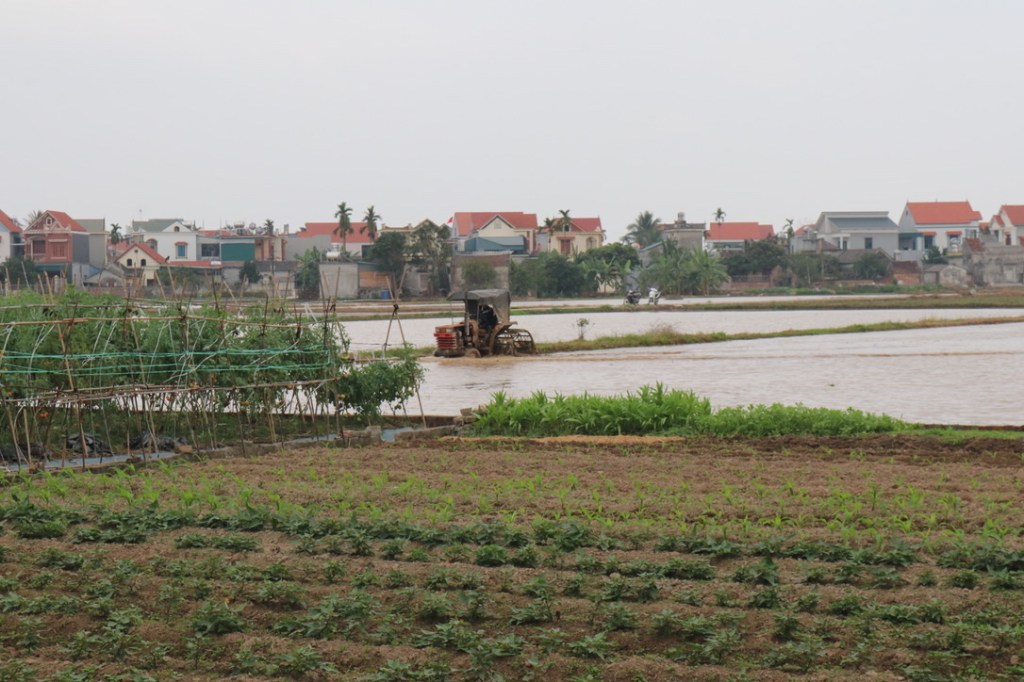
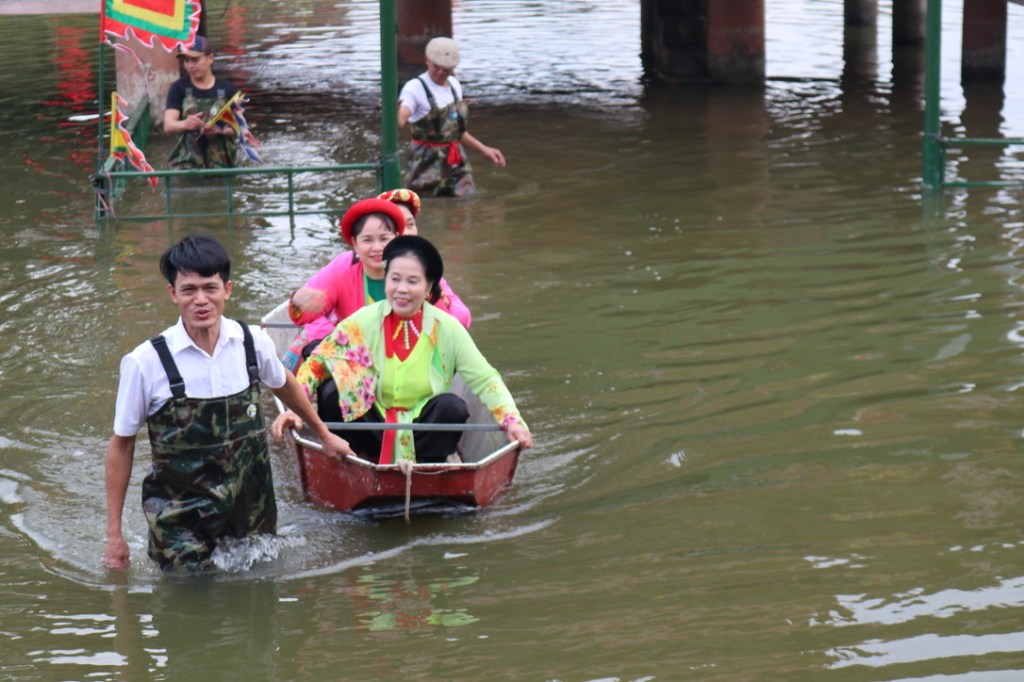
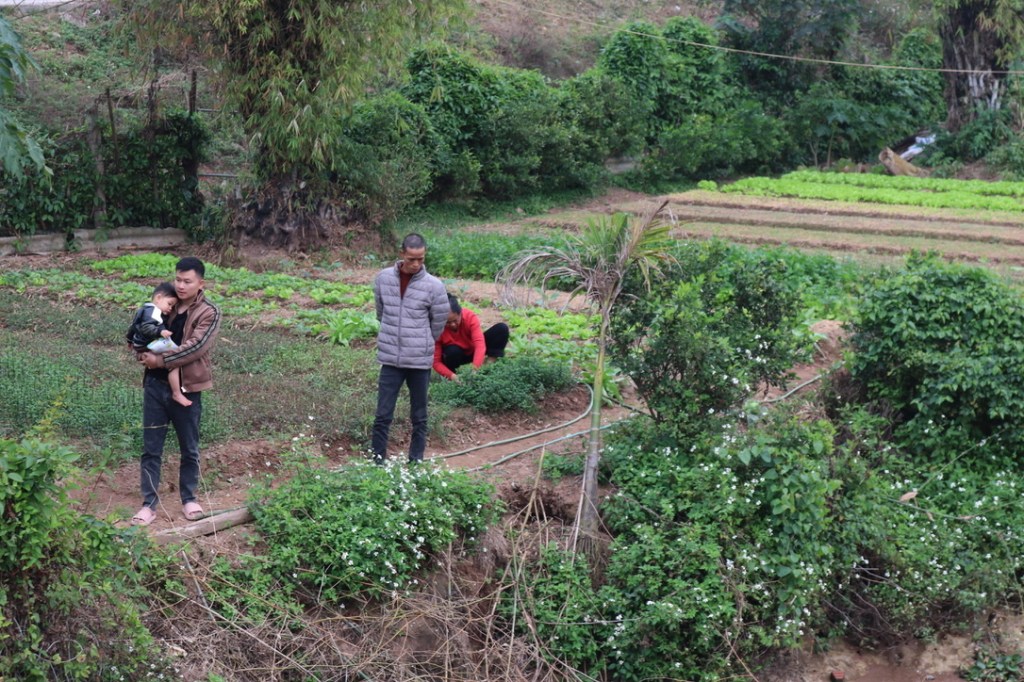
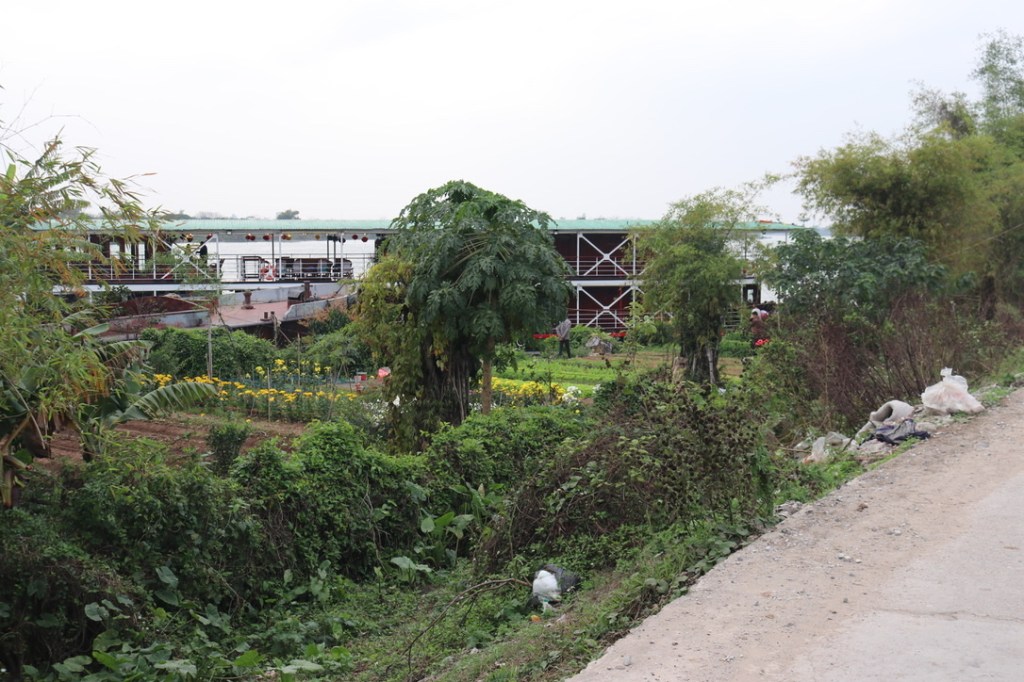
In the afternoon we stopped at a small town which I think was called Tien Vi. we moored next to a barge and in front of a beautifully maintained vegetable garden – which was representative of the remainder of the town.
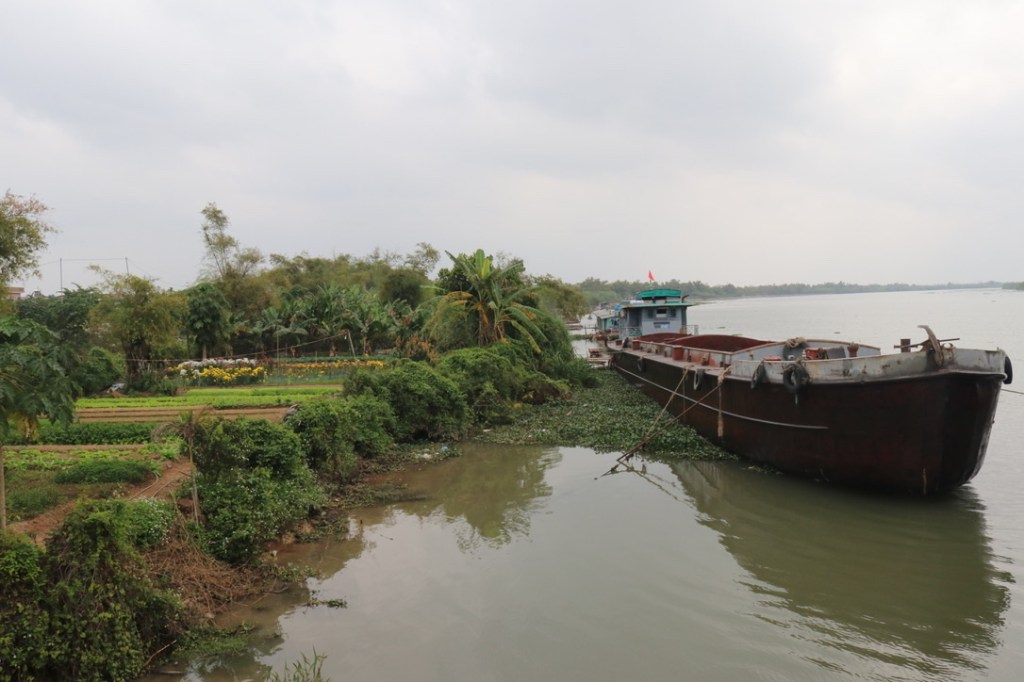
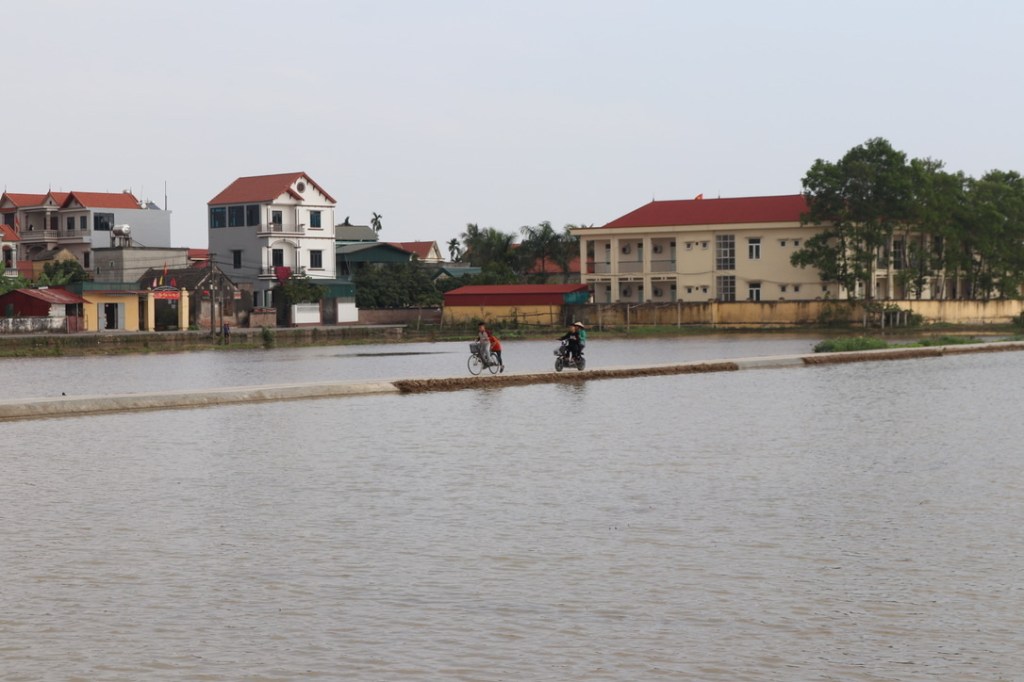
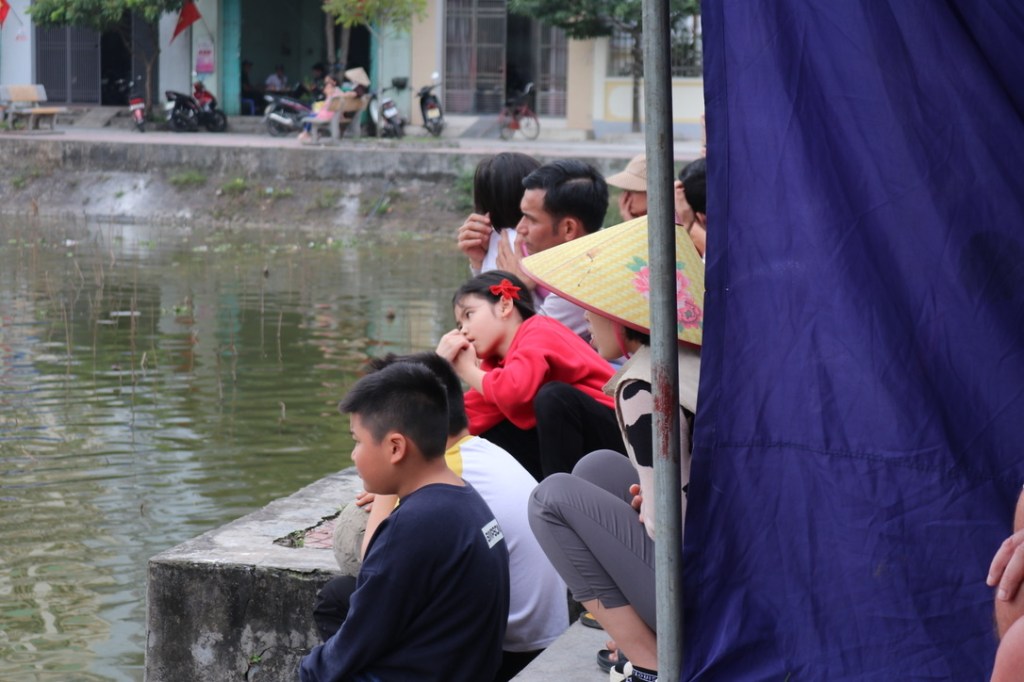
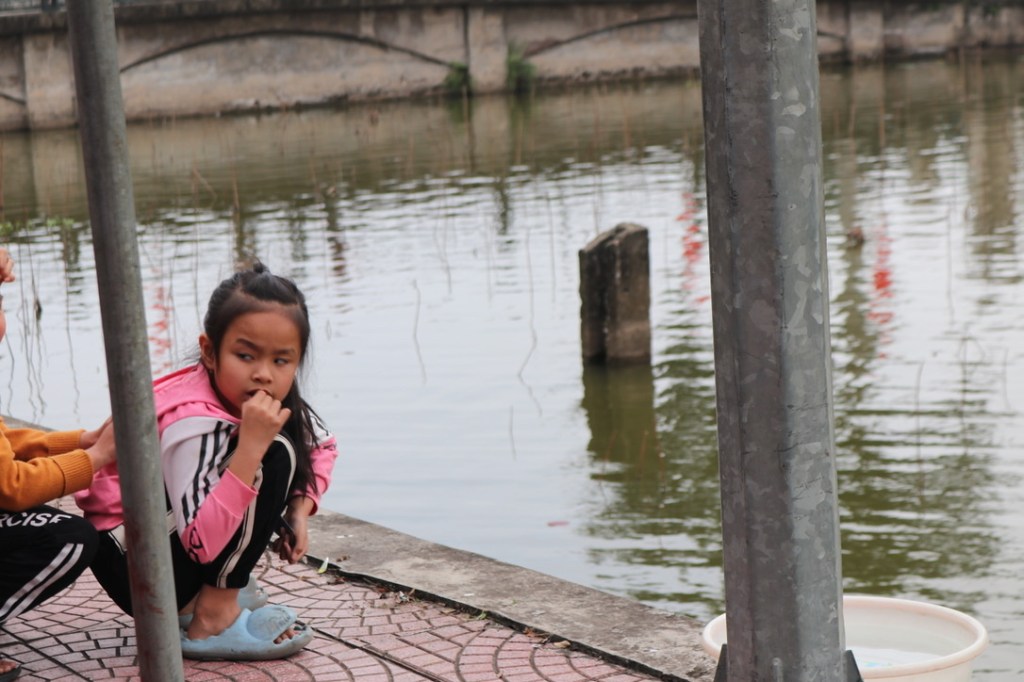
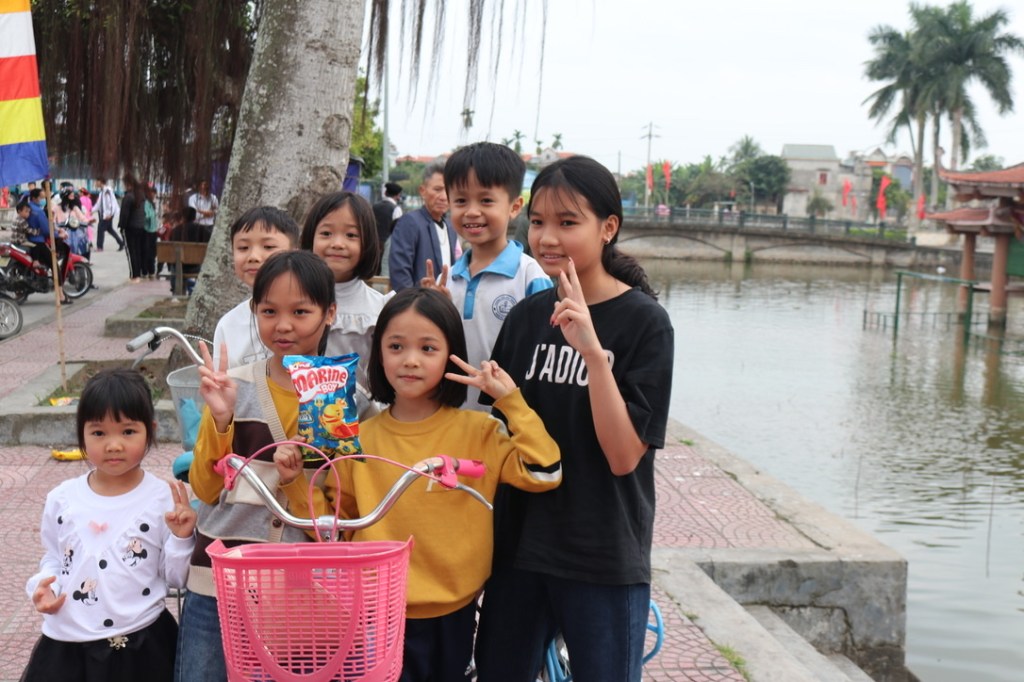
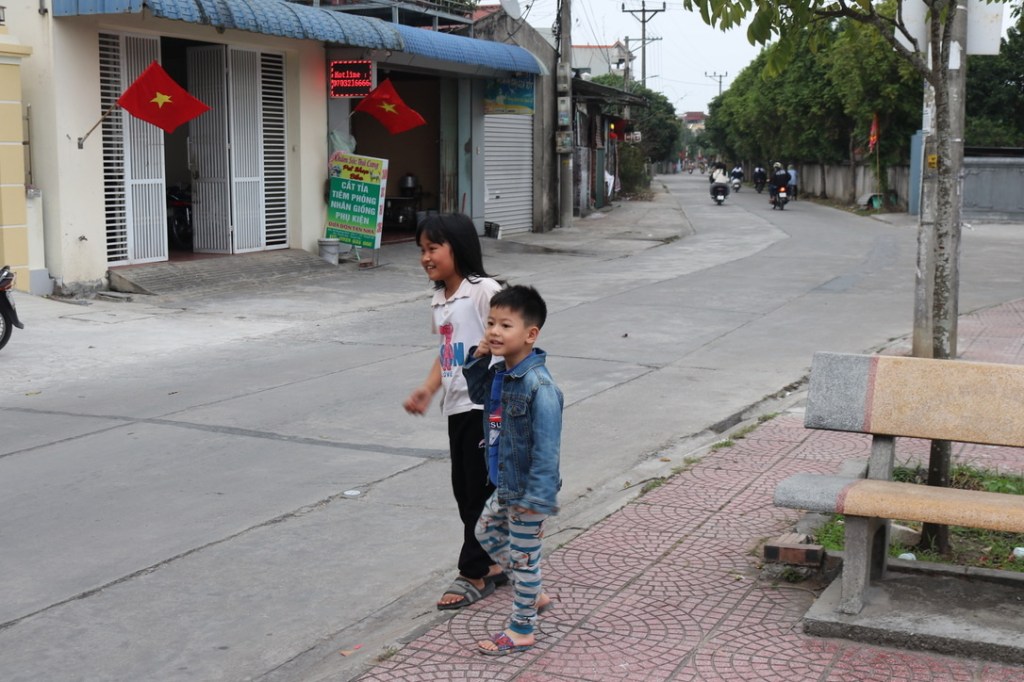
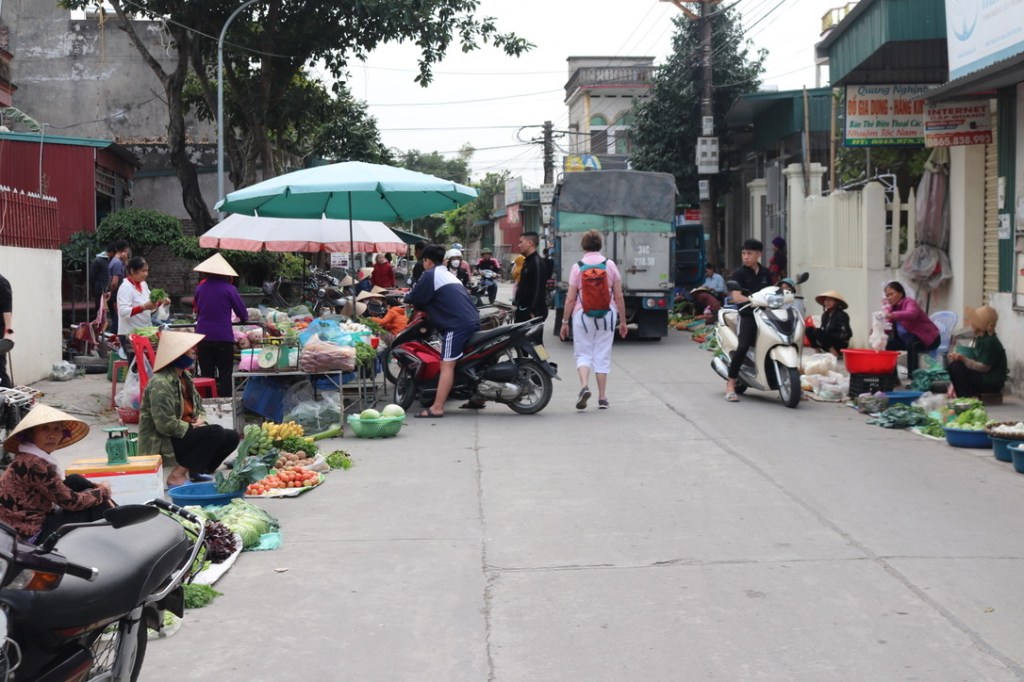
We walked past the afternoon market into the centre of town with rice paddy fields on our right hand side. The locals were not used to tourists and many came out to take photographs with children walking or cycling past shouting ‘Hello’ or ‘How are You’. It had the feel of a prosperous town.
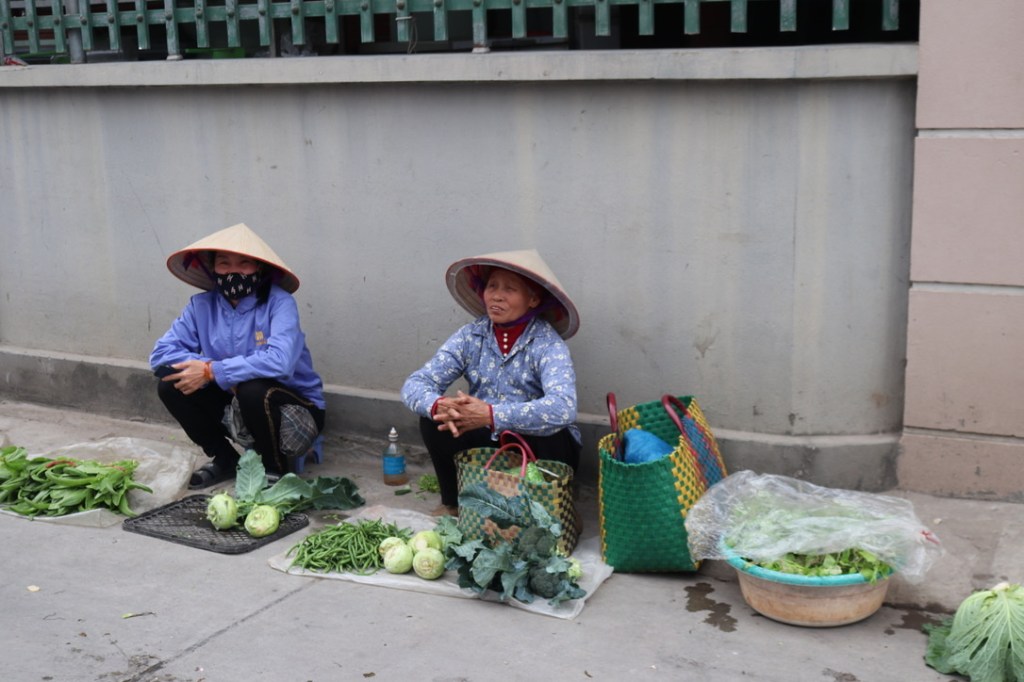
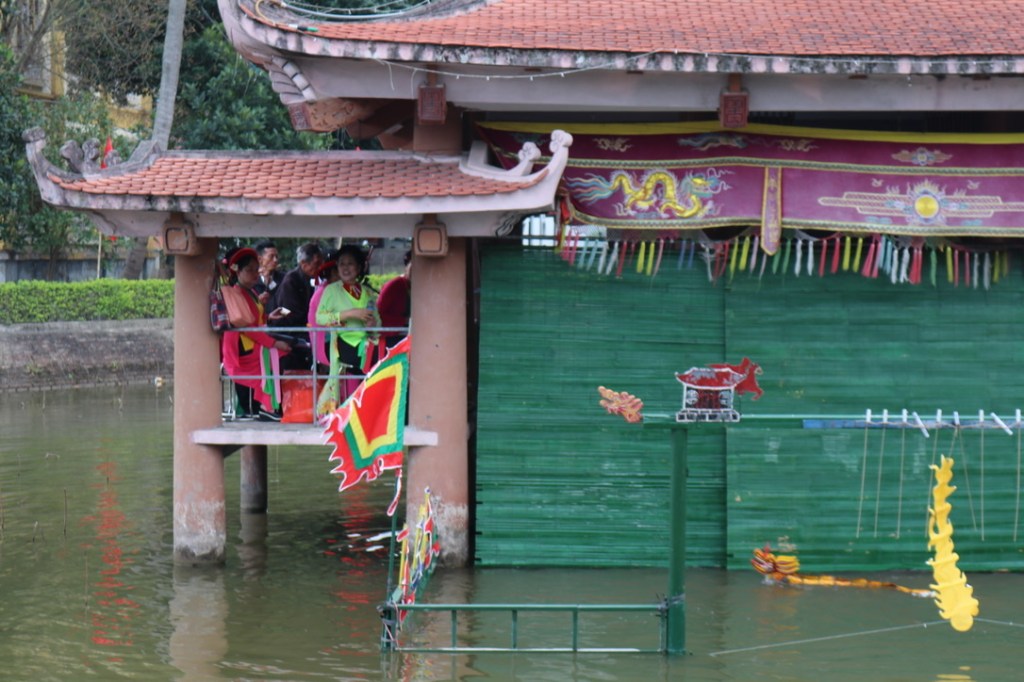
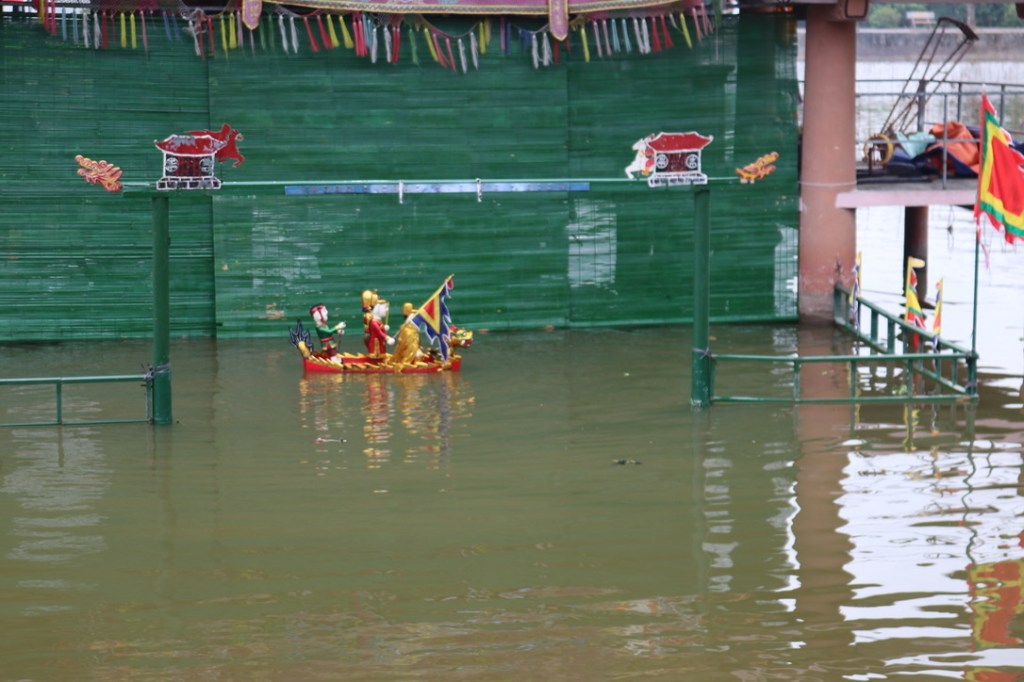
In the square a water puppet show was organised. the similarity between one of the scenes – victory of a Vietnamese king over the Chinese was very familiar to the Arthurian legend and the lady of the lake. The King had received a sword from the lake and after the battle it had to be returned with a giant turtle coming up from the water to take it from him. The local TV station were there to film, take pictures and do some interviews.
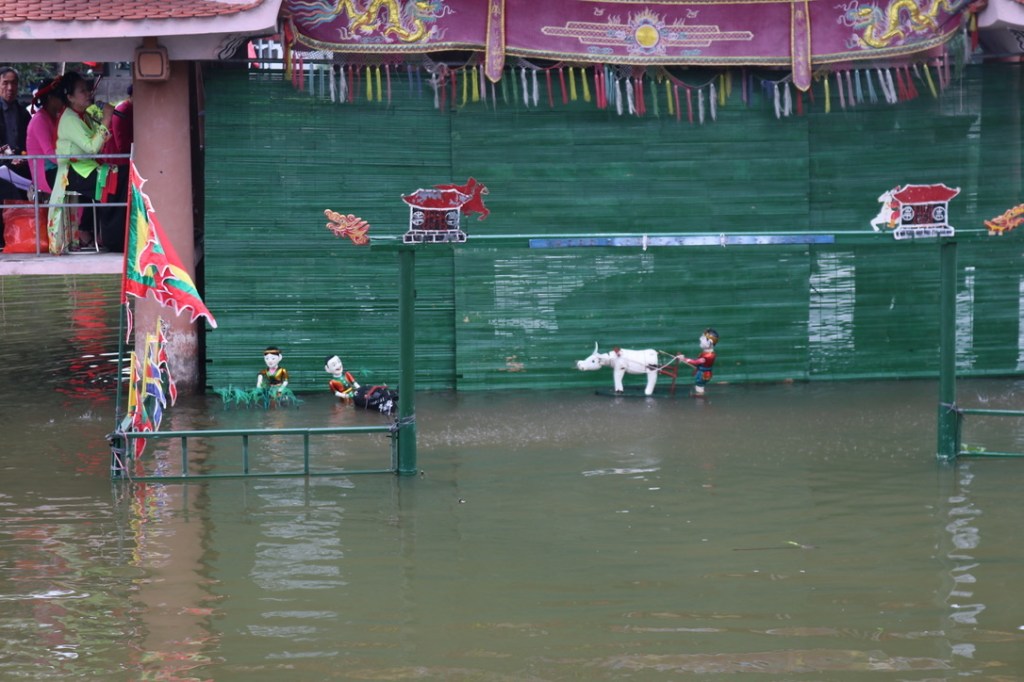
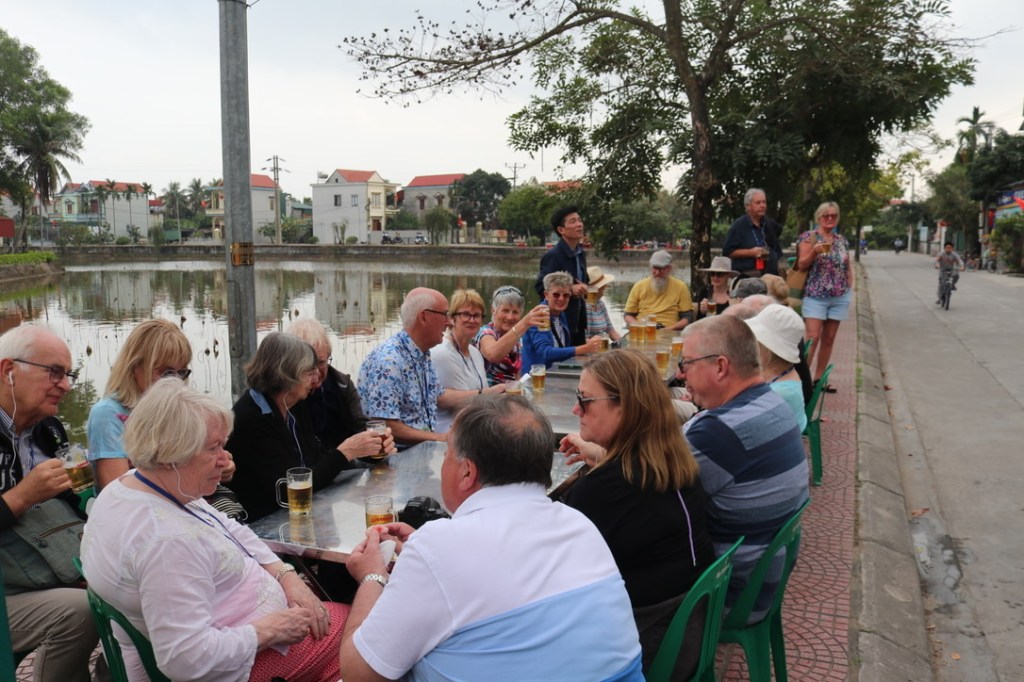
After the water puppet show, we were hosted at a bar and served local beer before walking back through the market street. Having been on the boat for quite some time as it repositioned itself it was nice to both walk around but also to feel a little more immersed in the culture of the country.
14th February – Nam Dinh Province – Red River
This morning was another lazing about on the boat day. After lunch we travelled by bus into a local down in Nam Dinh province on the Red River. Gillian took a tour of the boat visitng the kitchens, enging room, helm, sleeping quarters and laundary. The crew felt that Pandaw looked after them very well. For those with families in Myanmar they tried to help them get money to them and also to provide supported to retired members of the company.

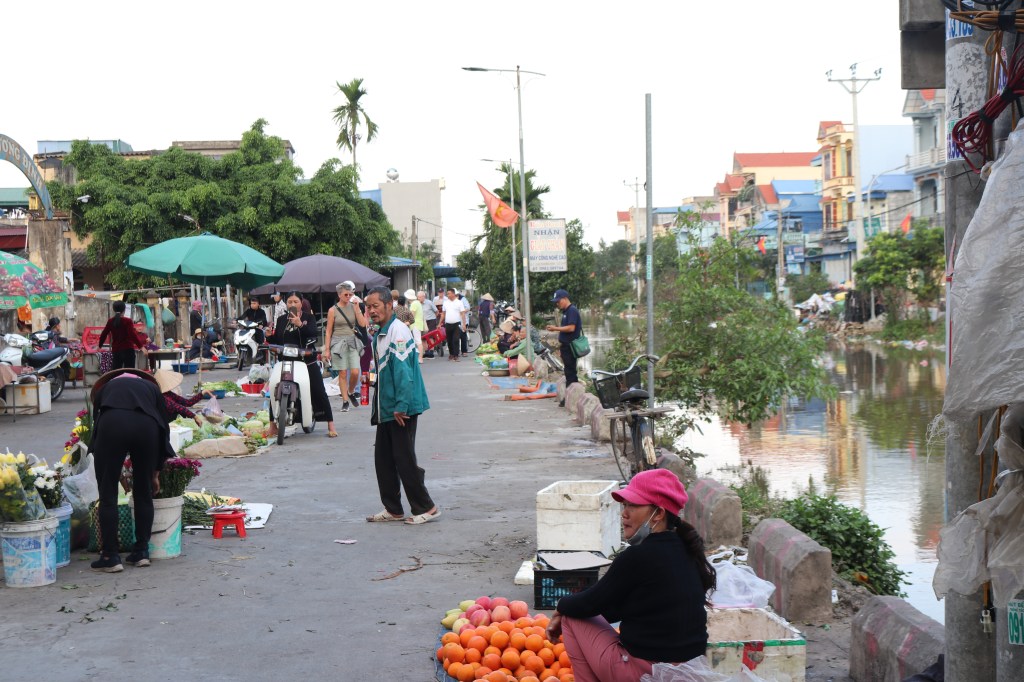
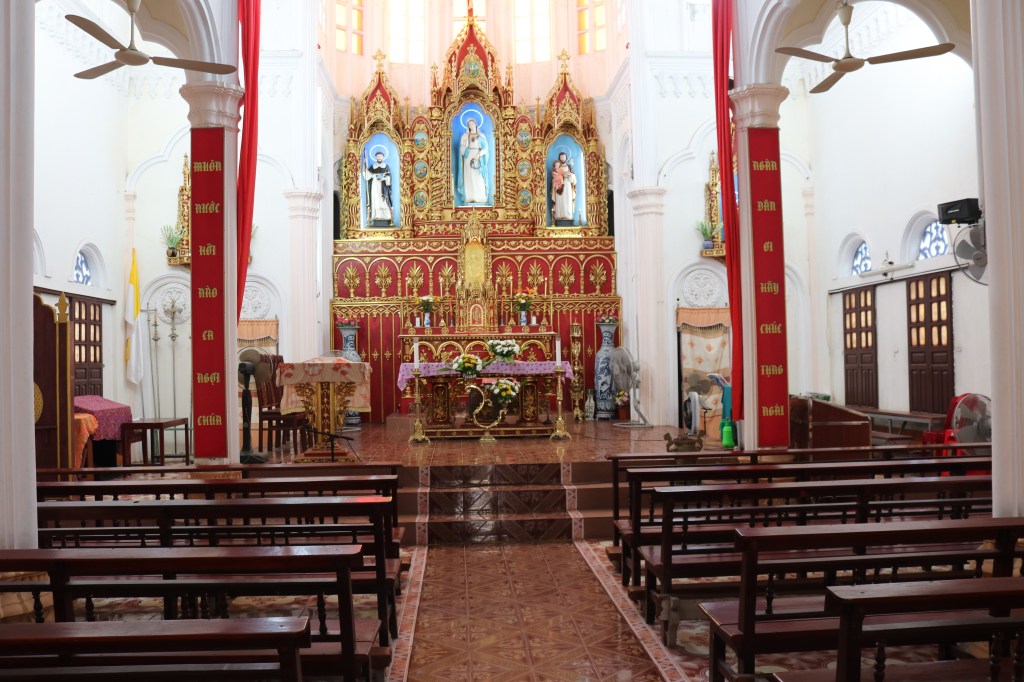
The intent was to visit a silk factory but it is still the Chinese New Year holiday and it was closed. However our inventive guide took us to a small town and where we wandered down the main street to a French Catholic Church and back up along the French man-made canal to the afternoon market. We are in a part of Vietnam that is off the normal tourist track and hence there is considerable interest in Europeans and Antipodeans wandering around. Shortly after arriving word gets out and children come out to find us and shout ‘hello’! The people are friendly and curious.
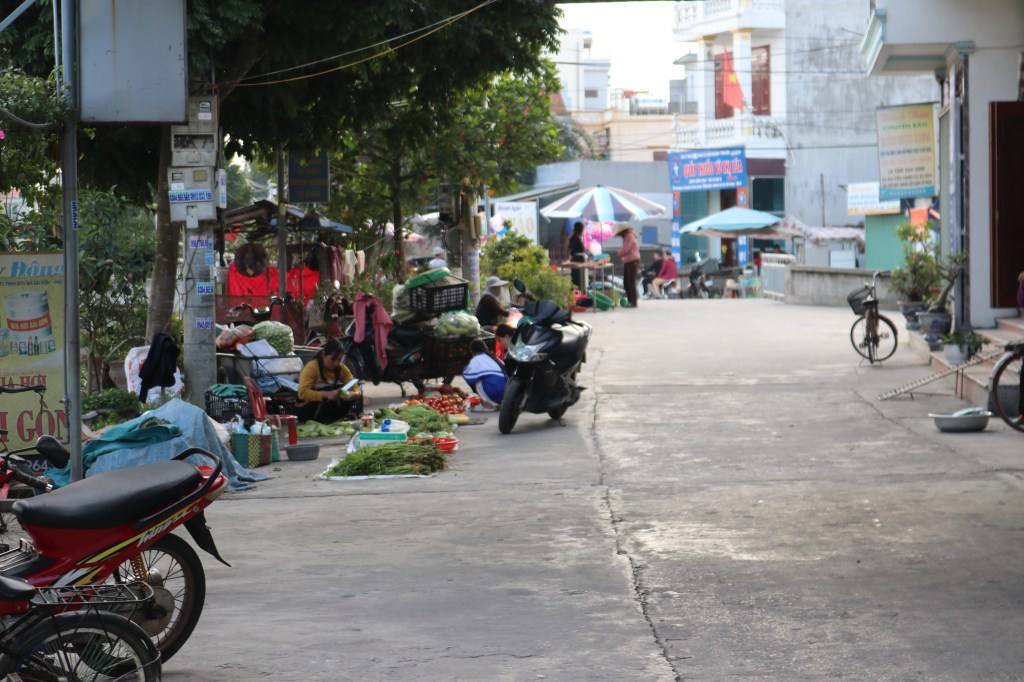
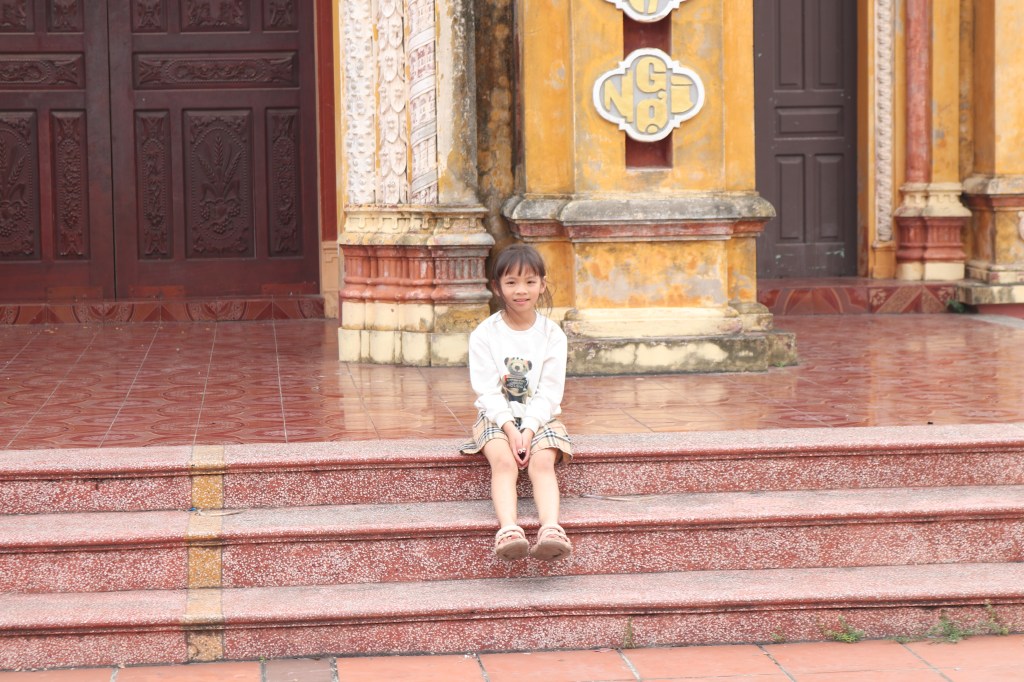
The Church was closed but word had spread that we were outside taking photographs and an elderly women appeared to open it up for us.
It would be wrong to classify the way people live as subsistence as the houses are large, children well dressed and there is no shortage of scooters which look new. But at the afternoon market you do see people selling the surplus from their small holdings – vegetables, flowers and meat. The quality looks very high and the guide indicated that it is all organic on the basis they cannot afford fertilisers and chemicals.
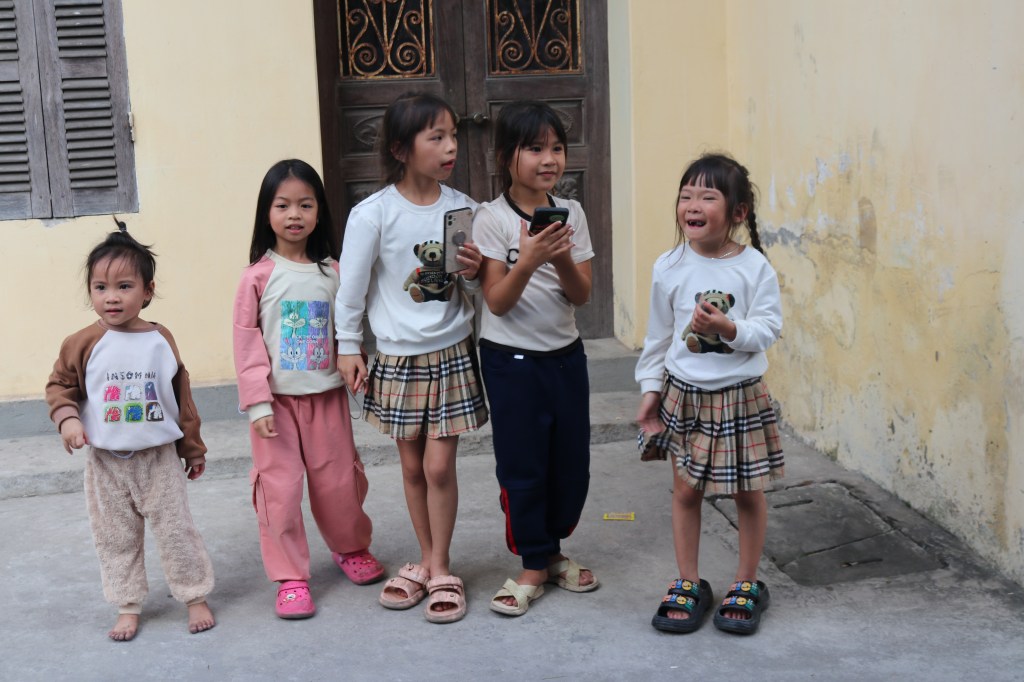
The French influence is strong and very present in the local religion which is Catholicism. The Churches are large and impressive. The one we looked at was old and had survived the Indo China War, the Vietnam War and the early years of Communism.

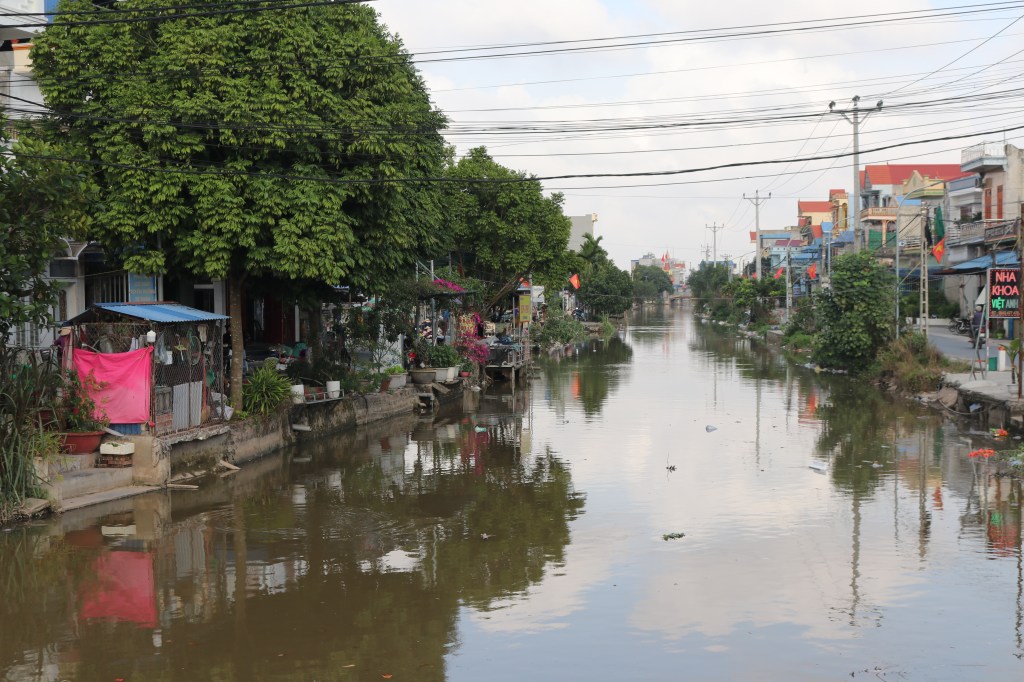
We saw a lot of square flags with five colours. I had thought it was a regional flag but it is a Buddhist flag representing – sky, air, fire, water and earth – which signify balance and harmony.
Back on the boat we continued up the Red River. The cool breeze makes it feel a lot colder than it actually is!
15th February – River Day Ninh Binh Province – Kahan Thien – Phat Diem
Last night we finished watching Good Morning Vietnam. It has been shown in two parts which fitted the story line of the film. First part Adrian Cronauer arrives in Vietnam and forms a relationship 2nd half the reality of the war strikes home and he finds out that the brother is a communist. It is a surprisingly moving story especially watching it in Vietnam.
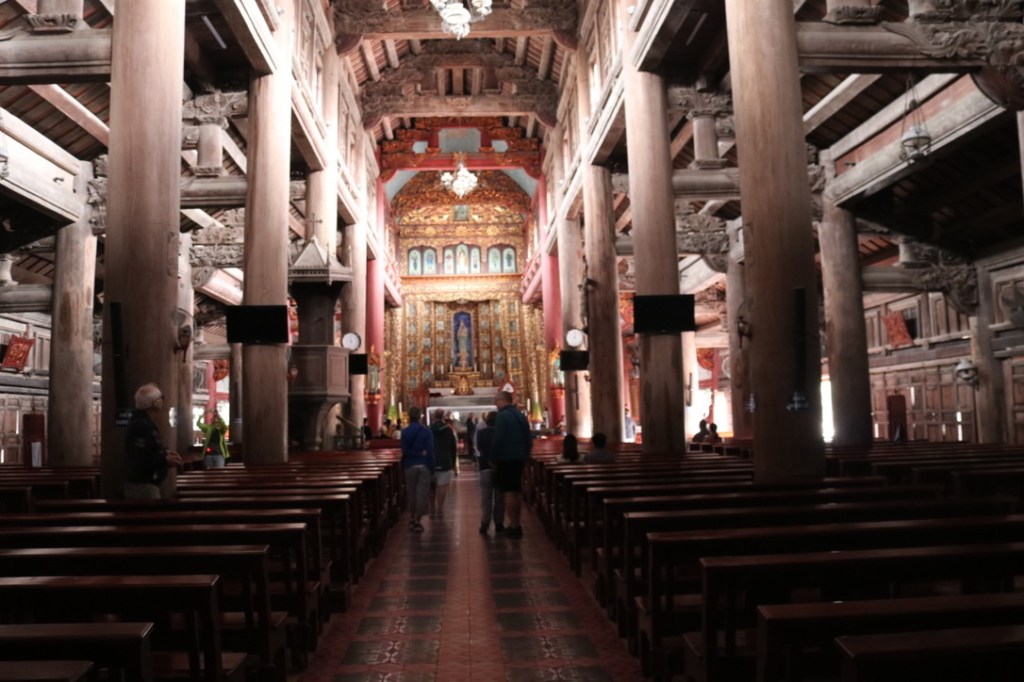
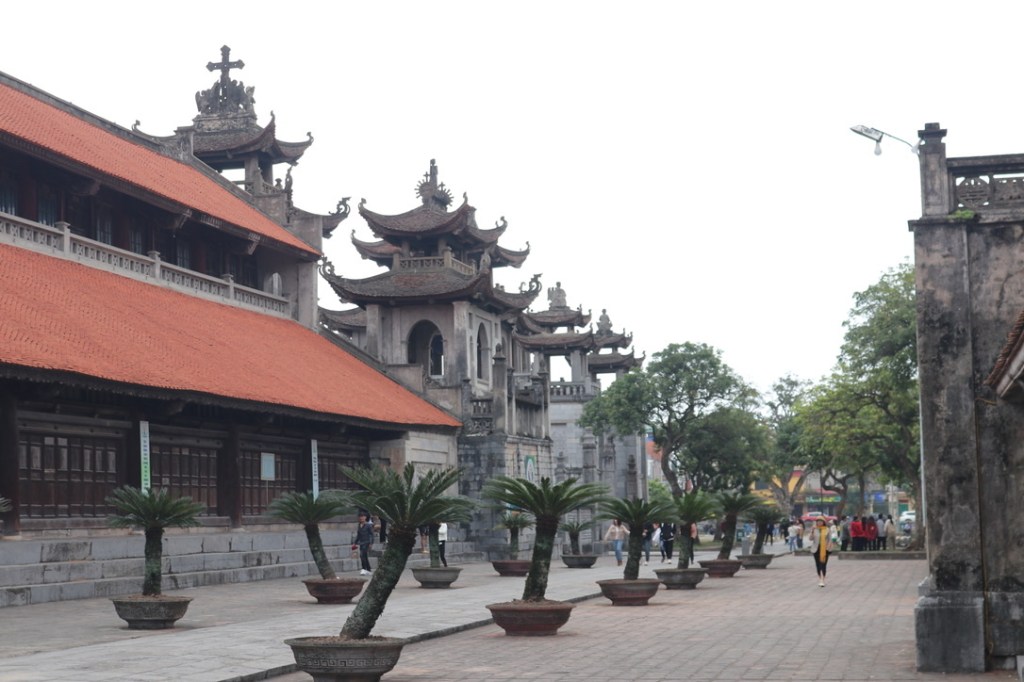
This morning we travelled by bus to the town of Phat Diem which is the site of the oldest catholic church in Vietnam – completed in 1891. It is a large complex that is a mixture of Buddhist and Catholic architecture. The inside comprises huge columns of iron wood pillars. At the end of the 1st Indo-China war as it is sometimes referred to in Vietnam, many of the catholics moved south to escape the communist government. They had a window of 300 days from the signing of the Geneva Accord to move freely between North and South. This migration increased when the Communists took full control of the country. It is very popular with Vietnamese tourists who travel from the South to the North to visit families and worship at the oldest church.
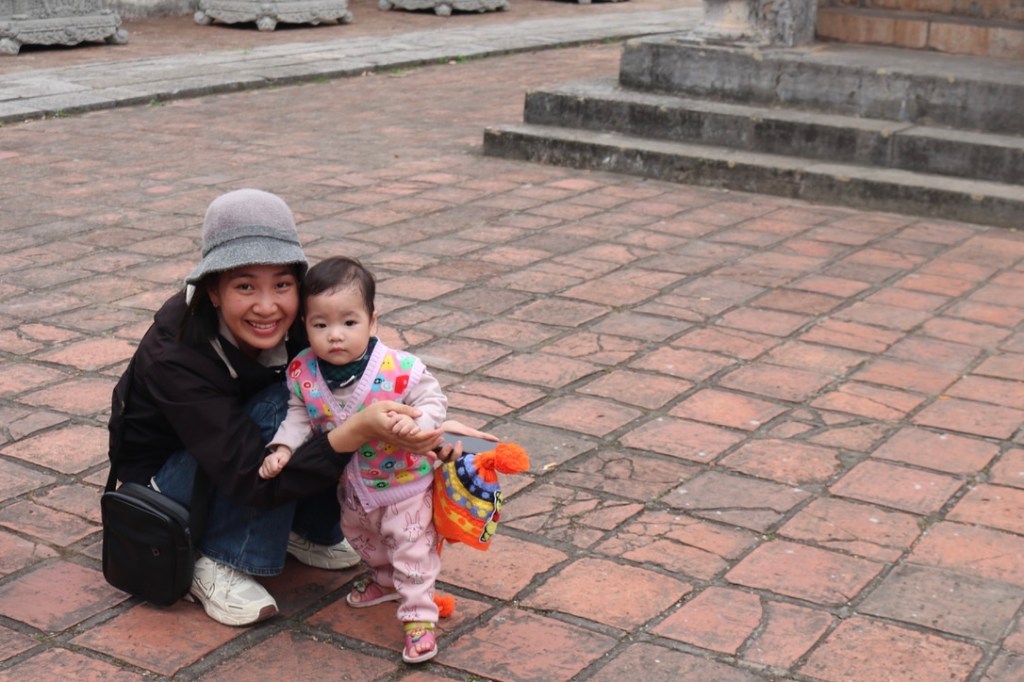
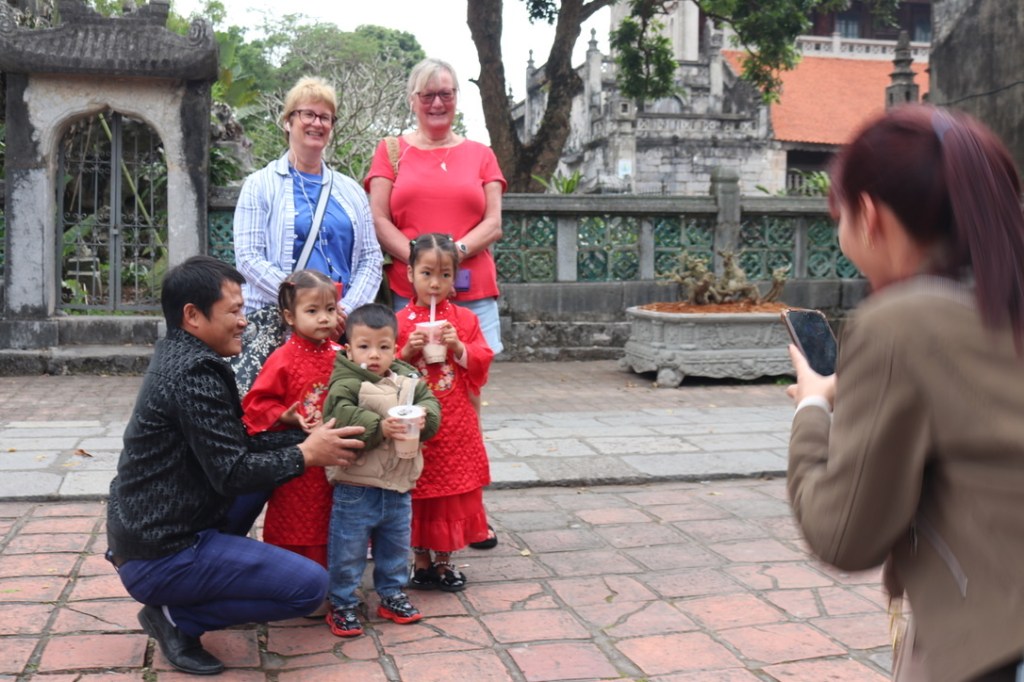
The local people were fascinated with our us and even asked to have photograpghs taken with them. We spent a little time walking around the town in order to arrive at a cafe where the owner had collected memorabilia from ‘subsidised period’ – this was from around 1975-1986. The period became known as the “subsidy time” because government subsidies barely kept millions alive. It is estimated that during this period, 70 percent of Việt Nam’s population lived below the poverty line. During this period, food, goods, and services were purchased with coupons or food stamps. Those with a position in government received more coupons and had access to special shops. For those without special status, they could expect to spend almost a day waiting in line to buy rice and other basic commodities. Everything was controlled by the government. Having a bicycle – even one that was ancient and on the verge of breakdown – was considered a luxury. If you were fortunate enough to own one, you’d be on a special list of bicycle owners allowed to buy parts (such as inner tubes, nuts, bolts, etc.).
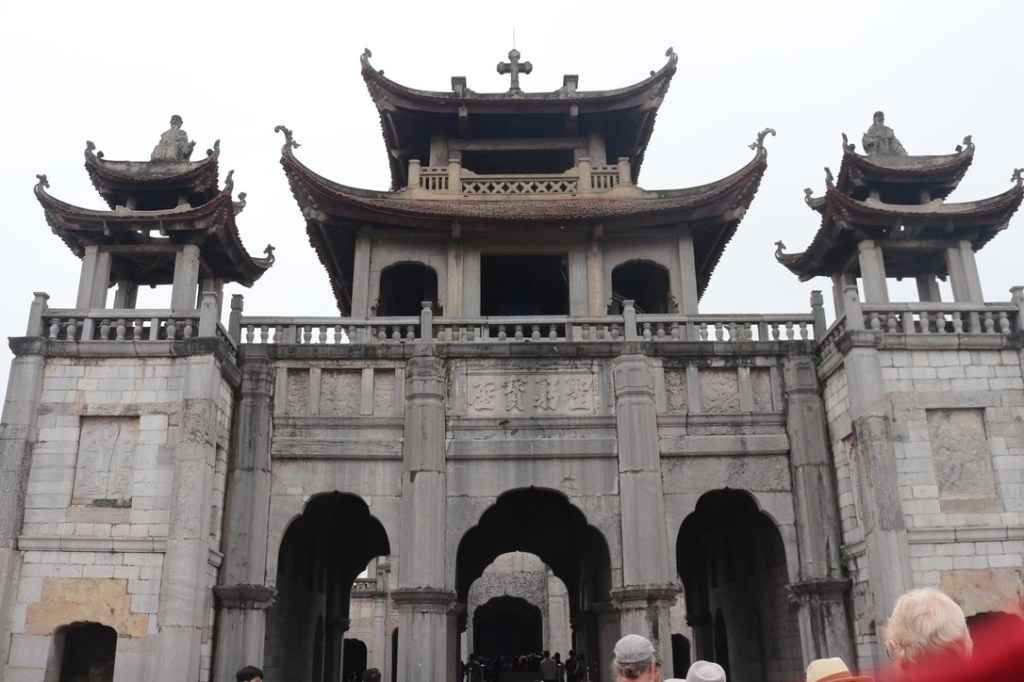
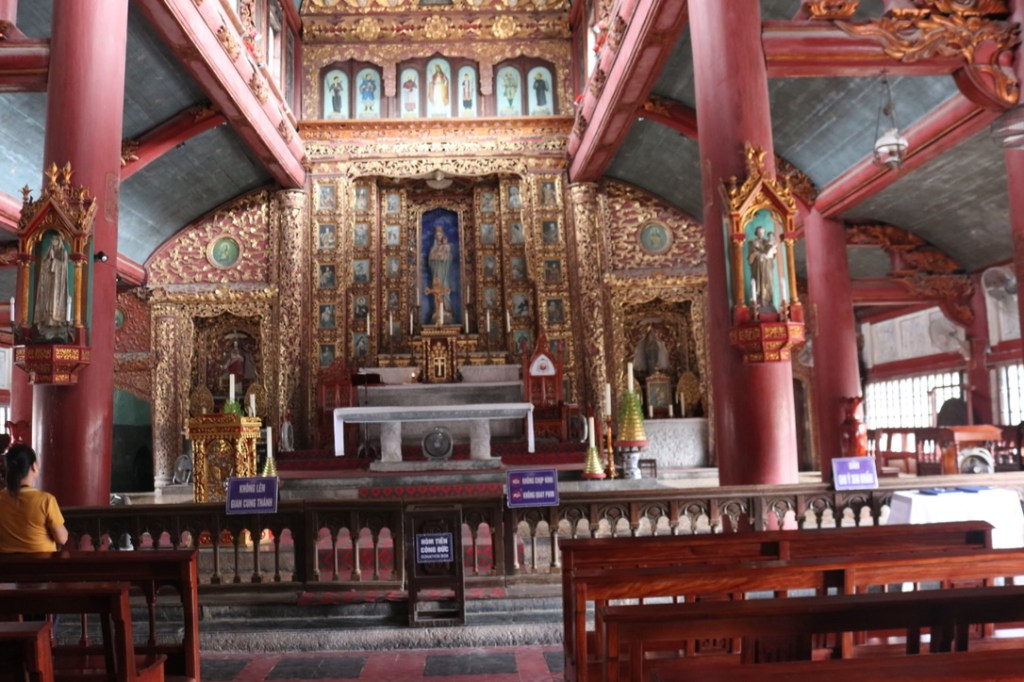
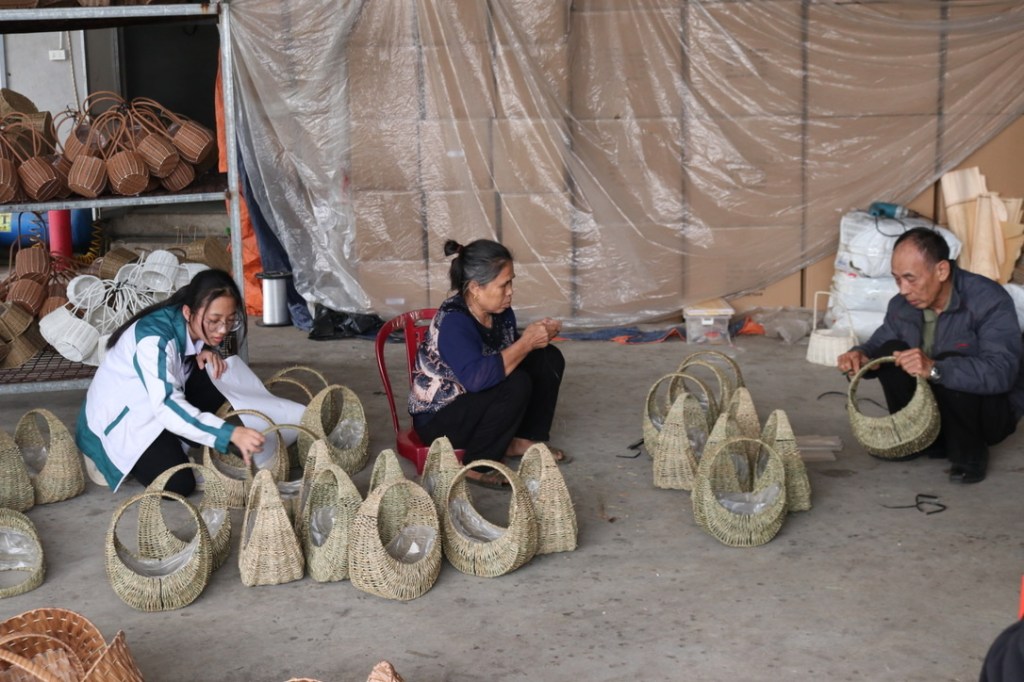
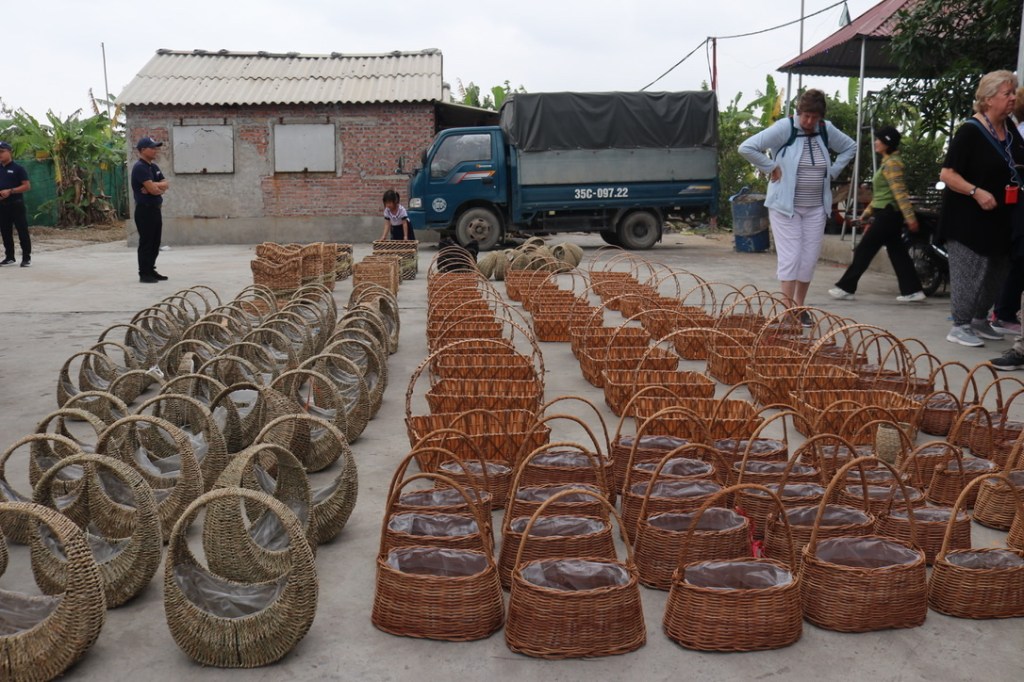
The afternoon we visited the local town. It was the first time that Pandar had stopped here and there was a great deal of interest. We were allocated a local guide – it was not clear whether this was an observer or someone ensuring that the ‘correct’ talk was given by our guide. We visited a rattan ‘factory’ where they made baskets of various shapes and sizes. All hand made with the workforce either working from the small factory or from home. All goods were for export – seemed to be Japan – and they were not allowed to sell any in country or to tourists. As with everything else we had seen in the country it was manpower intensive – either this was cheaper or they had not got around to modern production.
From there we visited a small home where they made rice crackers. There were 3 stages, mixing the rice with water and grinding on a mill stone – then to an oven where they were pressed and finally dried over a charcoal fire. They are eaten as a snack usually with Vietnam Wine which is not quite the wine we drink!
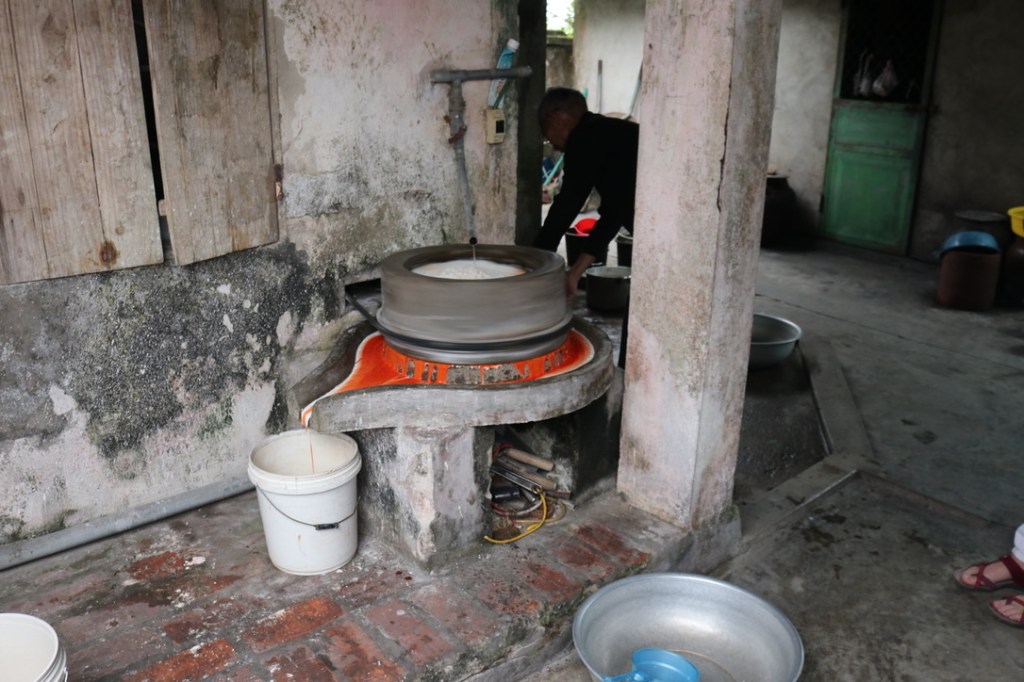
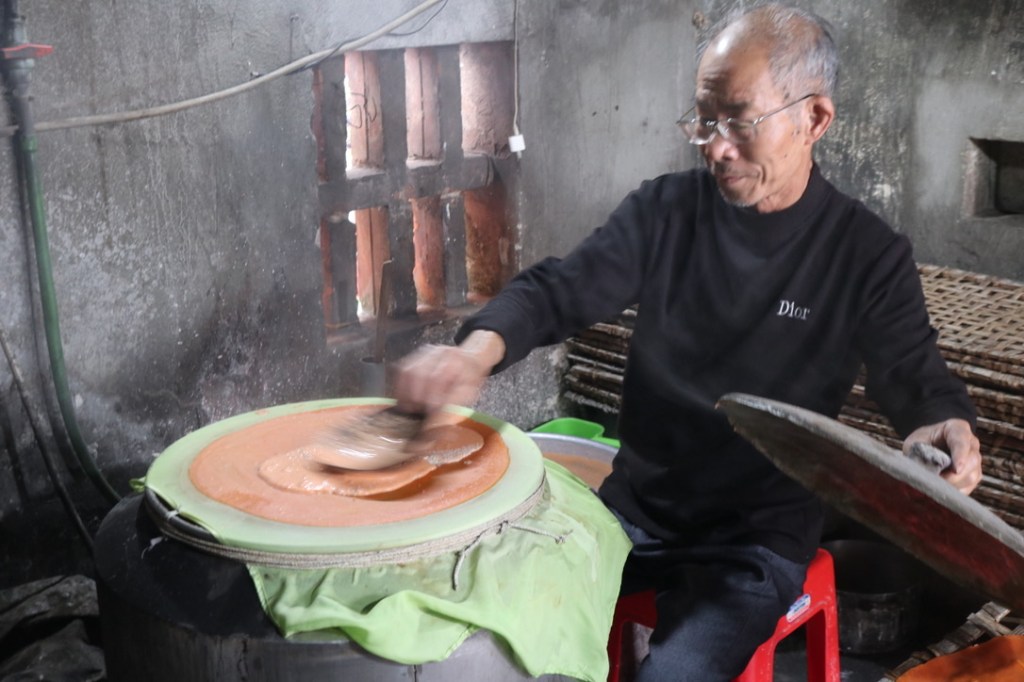
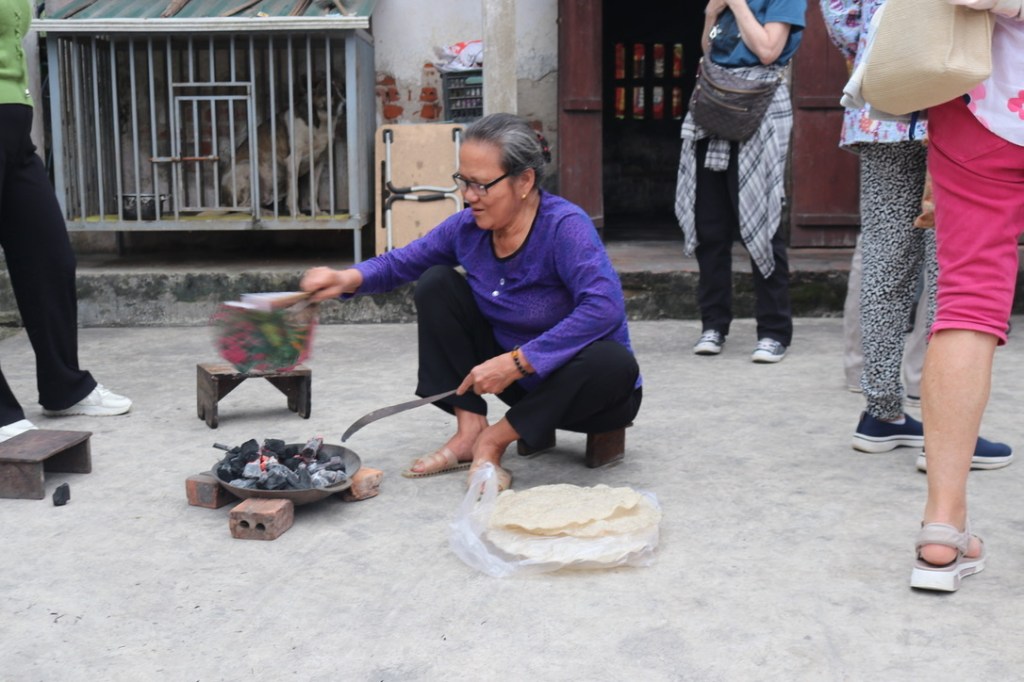
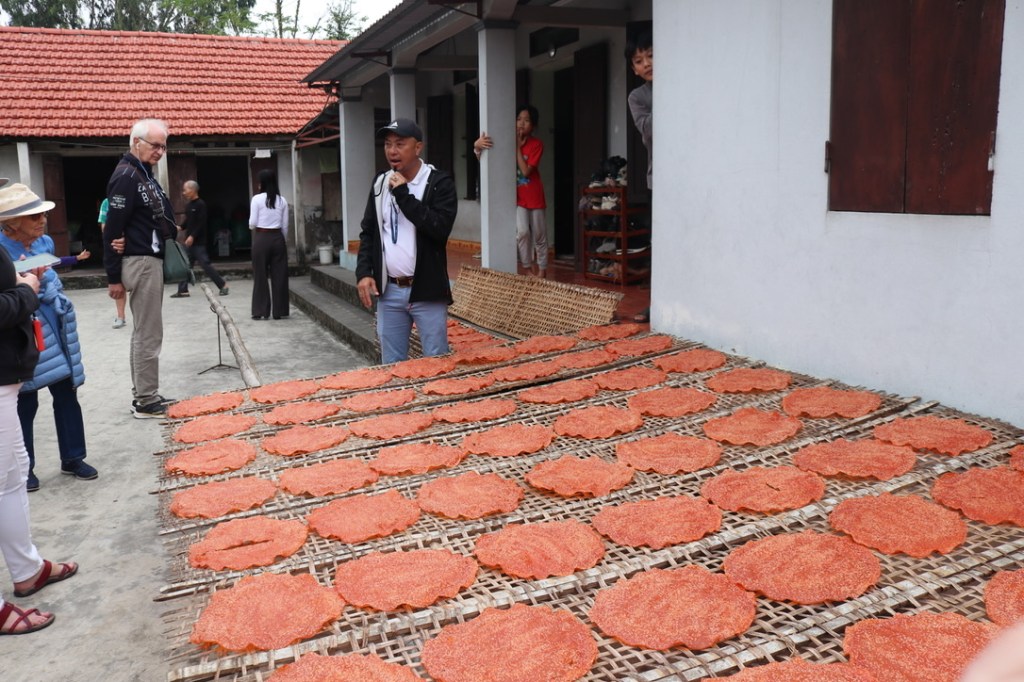
Walking around the village local people were very keen to take photographs of us and I was stopped a number of times to shake hands and stand beside the locals.

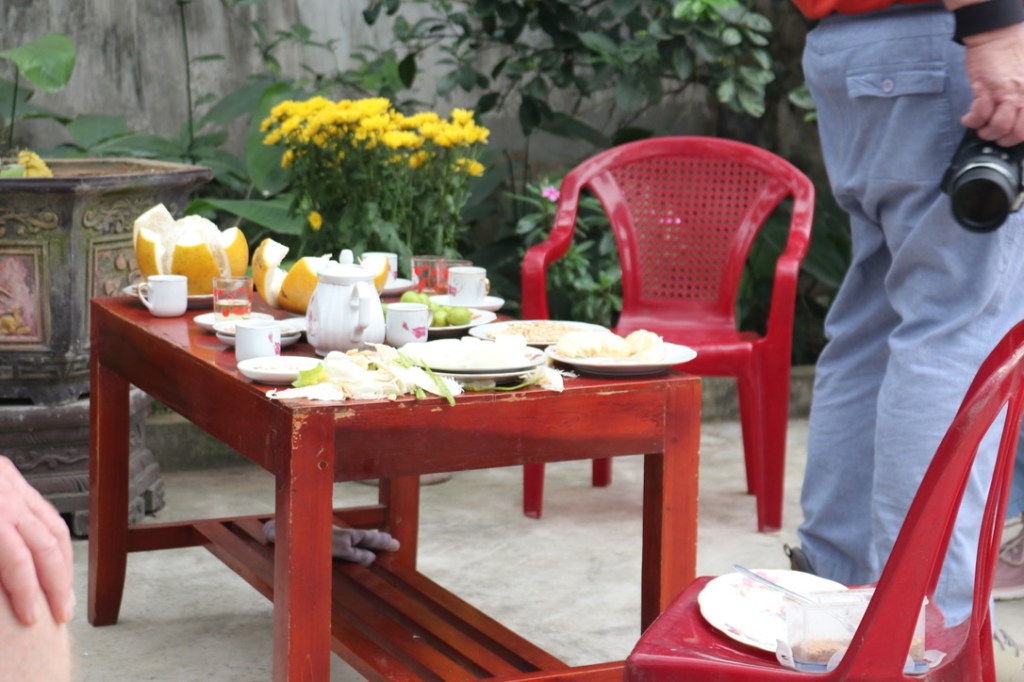
From there to an ex postman’s house where they made rice cakes. The yard was laid out for tea with fruit and small eats on the tables. We watched the mother of the house mixing the rice and flour into a glutinous mixture over a coal fire. When the consistency was just right it was dropped skilfully onto a plate to form a perfect dome. It was served with sesame seeds and chilli but can also be eaten with peanut butter sauce. They are frequently made in the morning and are eaten as a snack whilst working during the day. A very doughy mixture mixture that sat heavy on the stomach. Not much of a taste but a cheap food to make to fill the stomach.
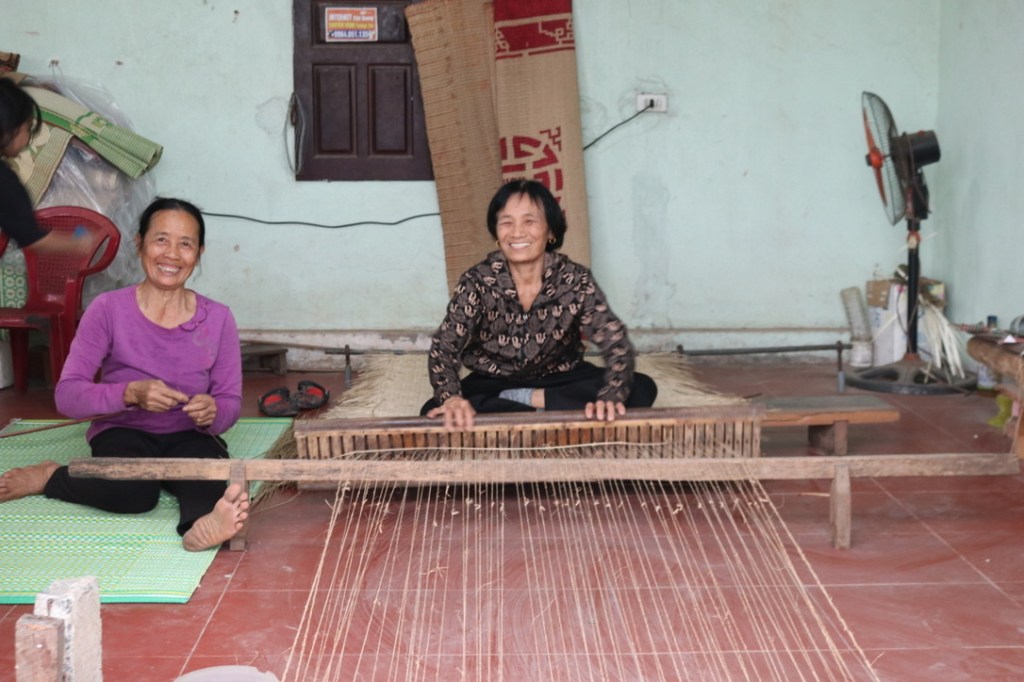
Lastly we visited a carpet making house. Two ladies on the ground weaving all day. It took them about 2 hours to make a medium size carpet.
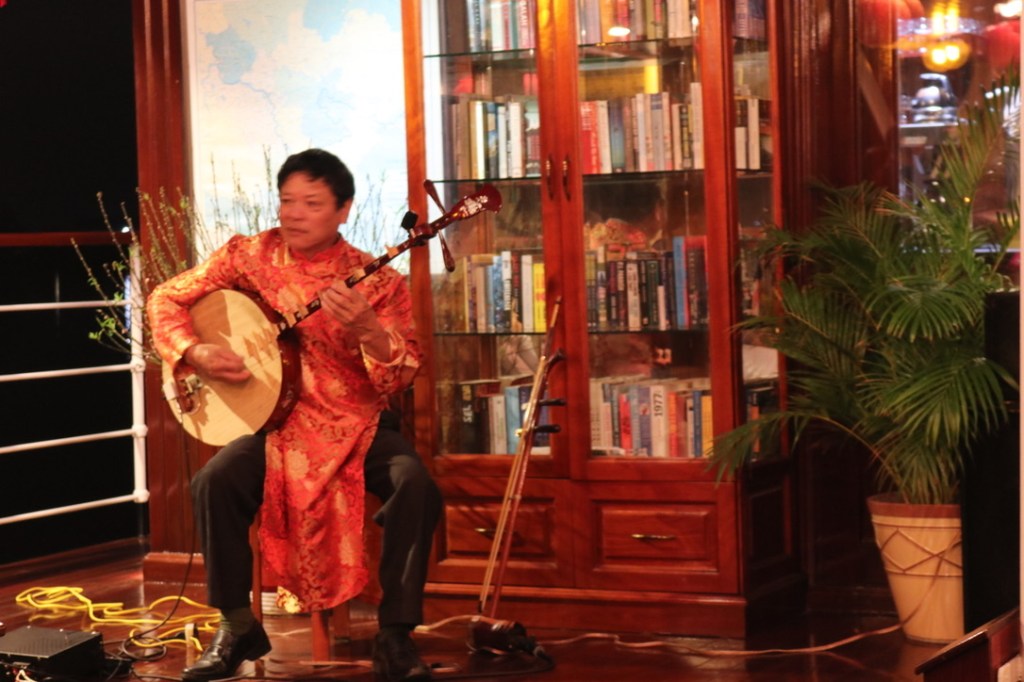
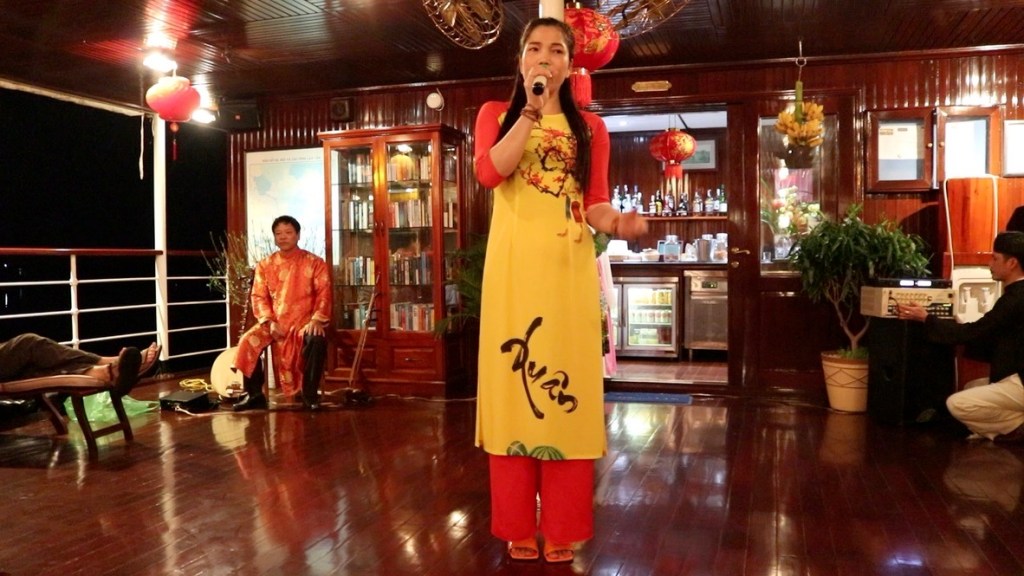
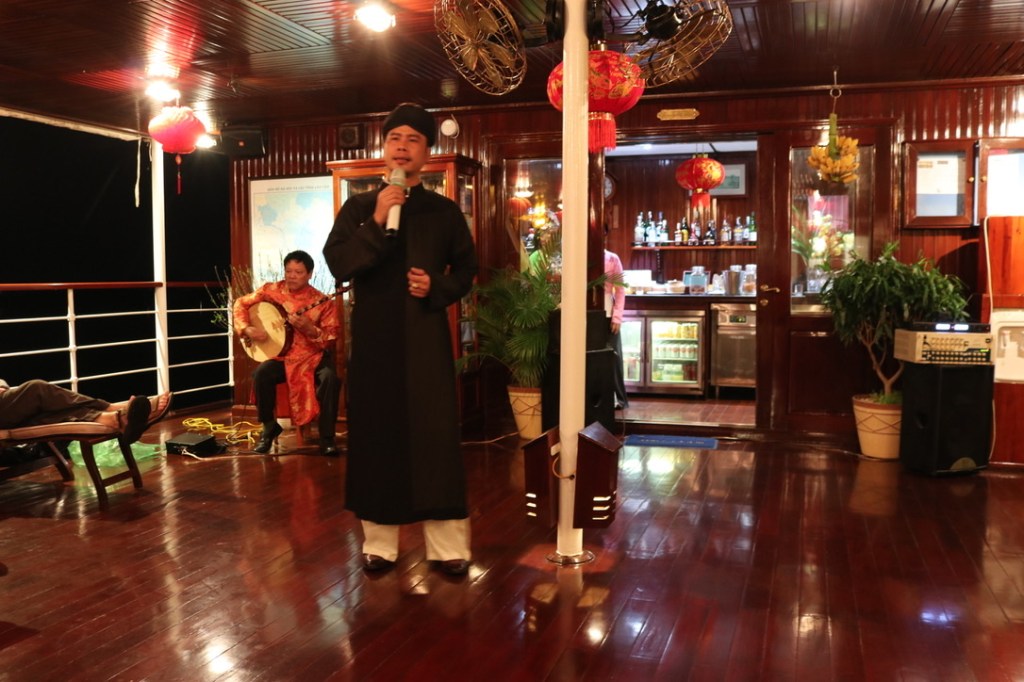
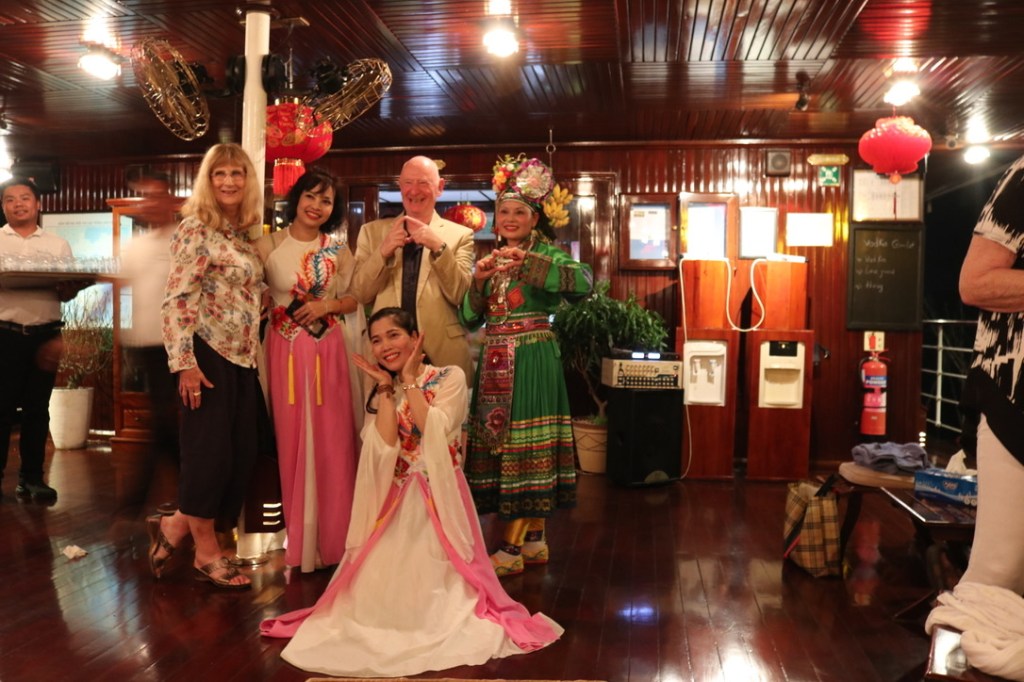
In the evening we had a local song and dance crew come on board. They were not professionals but clearly enjoyed performing. Again it was a first for Pandar and tow officials from the local party attended. The songs inevitably were about sons who had gone to war and the mother waiting for them to return. Given the length of the war and the privations after it, it is not surprising that this is the focus of local songs and dances. As we were expecting at the end we were all invited to dance. The ‘officials’ stood back from this and were very reluctant to take part but were dragged onto the floor by some of the Pandar guests and could hardly refuse. But they disappeared quite soon afterwards. It was a great night and at the end – as in town earlier in the day – they were keen to have photographs taken with us. We lingered in the deck for a while having a drink once it had finished just savouring the very full day. Htun was around to serve us whisky and Baileys.

16th February – Tam Coc – Hanoi
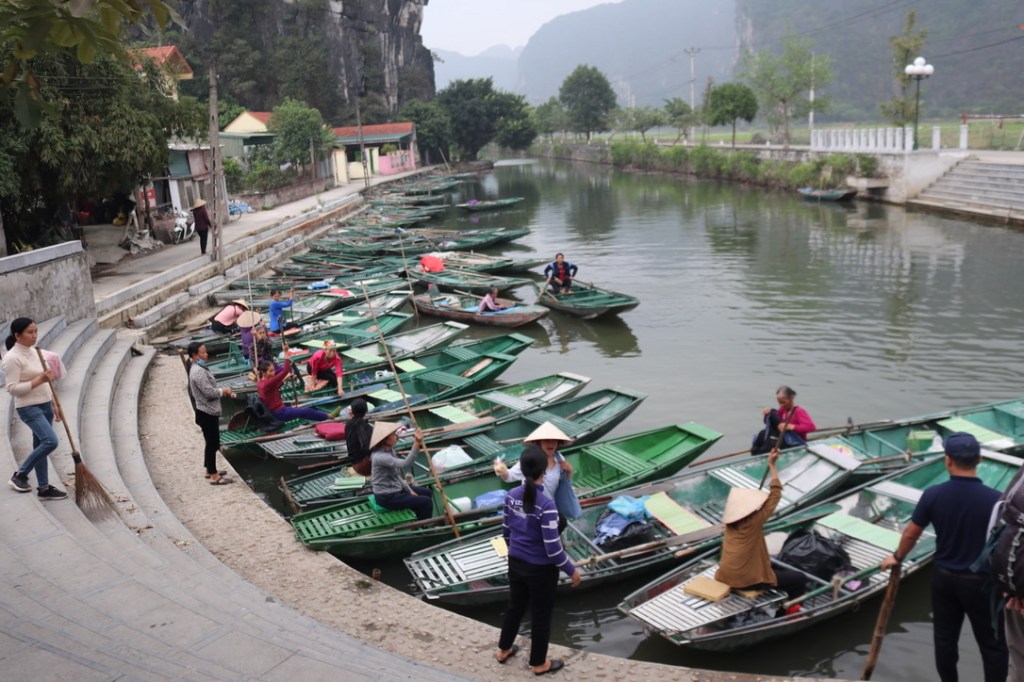
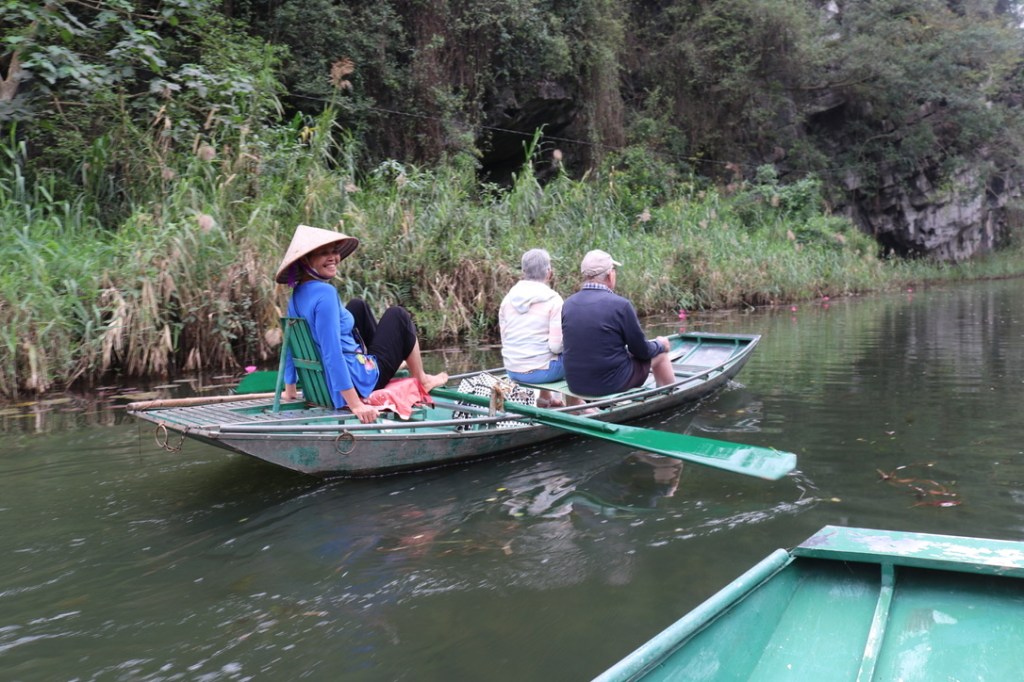
An early start this monring to get to Tam Coc – about 30 minute drive from the boat. Nestled in the mountainside, the River Ngo Dong flows through limestone peaks reminisent of Halong Bay. Big tourist centre and we passed many cafes, bike hire shops and car parks. We had set off early to avoid the crows wich we managed. This area was once the capital of Vietnam and has ben nicknaed Halong Bay on Land. The area is recognised by UNESCO as an area of of outstanding beauty as well as a cultural and heritage site.
We were paddled down the stream in a sand pan – to per boat. It was mainly the women who rowed and the majoirty of them did it using their feet rather than their hands. Our particular rower was fairly misearable – not very satisfied we only bought two pictures and the only word of English she seemed ot understand was tip. However this did not detract from the enjoyment as we weaved our way through floating lillies, caves and still water. The trip took around 1hr 20min.
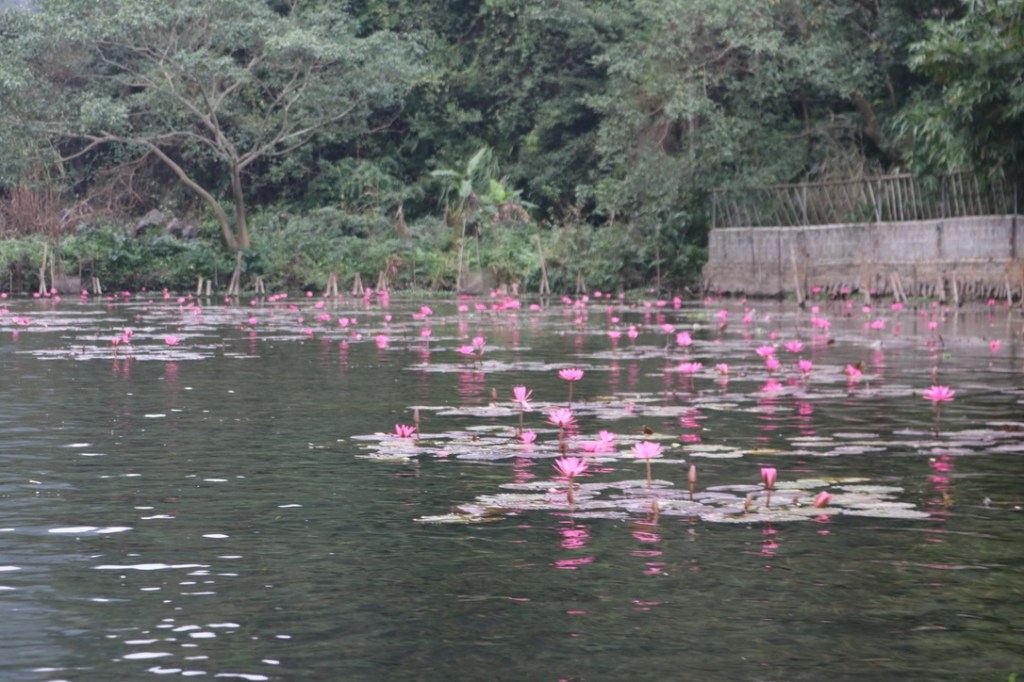
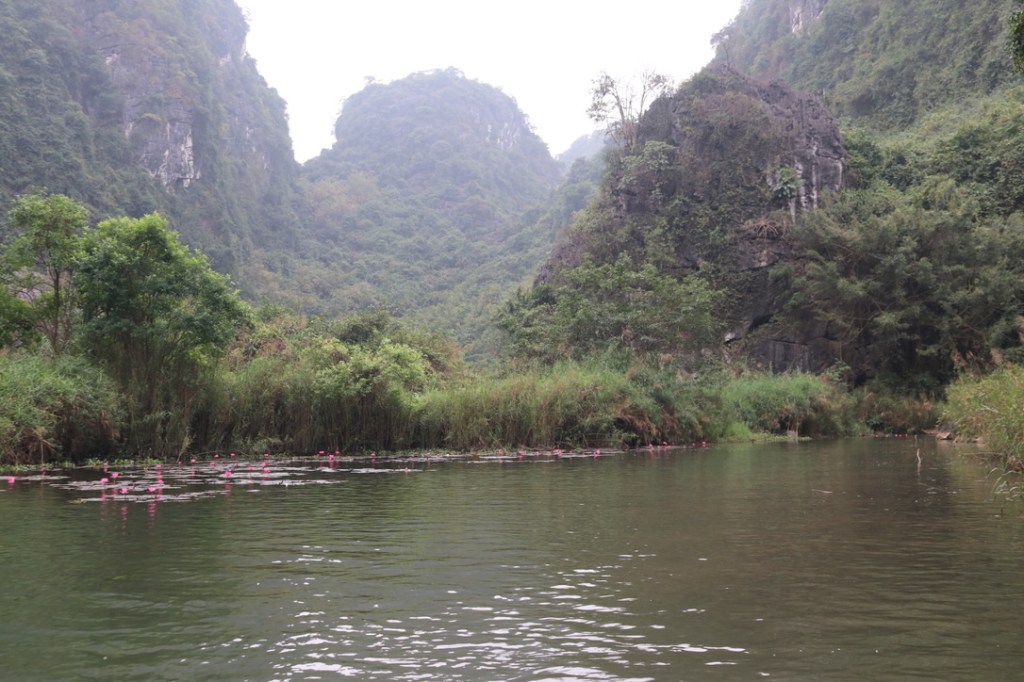
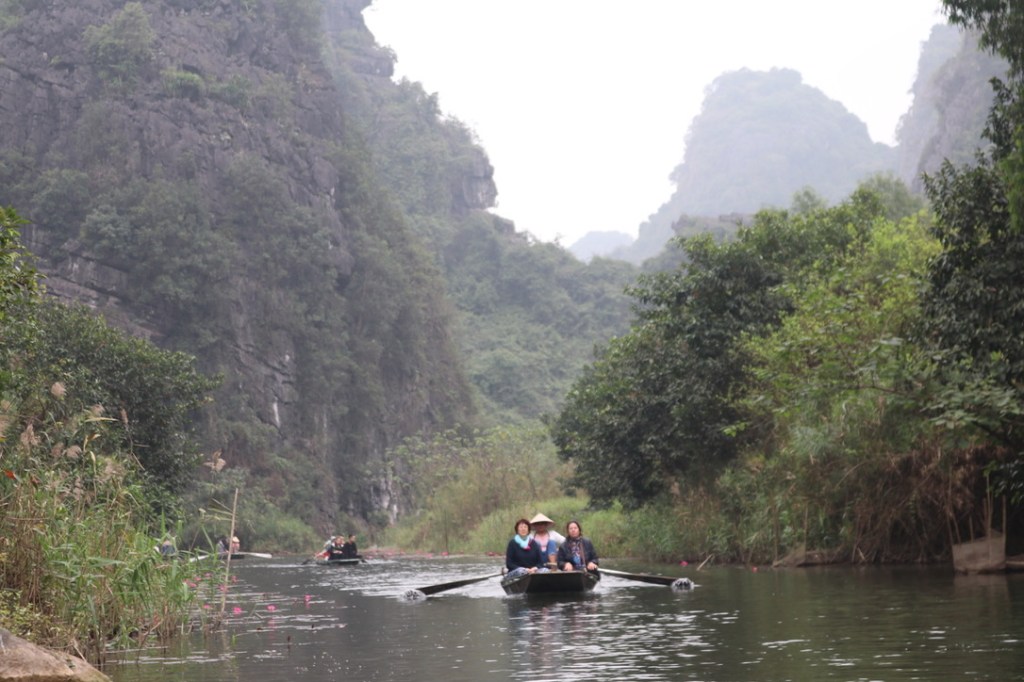
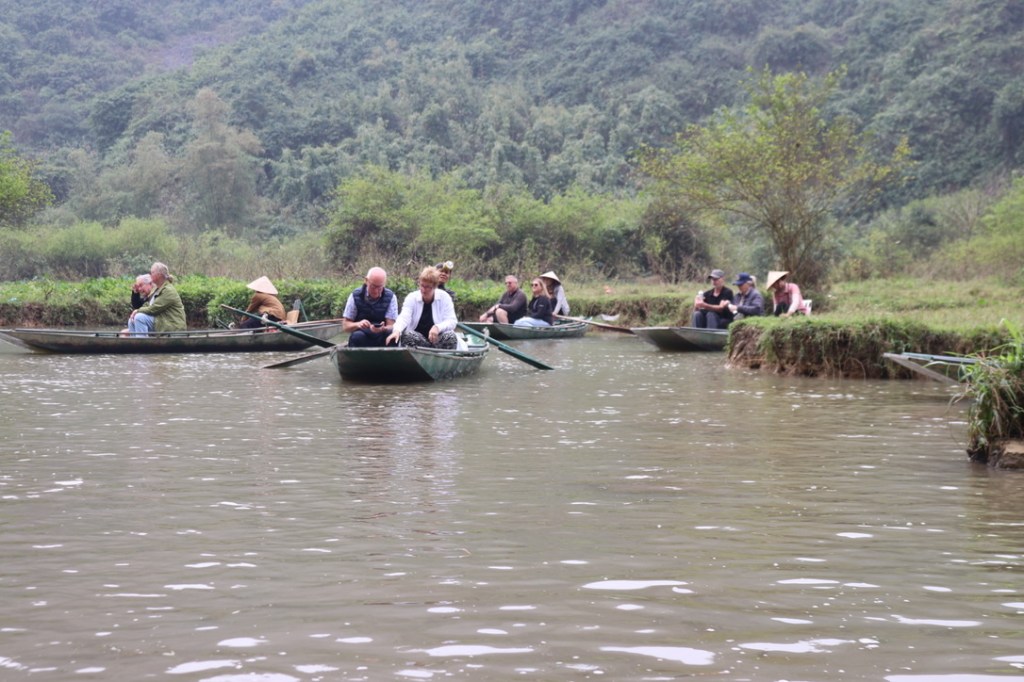
The afternoon was spent on the boat travelling up to Hanoi – catching up on reading and journal.
17th February – Hanoi
A 0830 start and a packed morning.
First stop was the Temple of Literature in the French Quarter. A bus took us across town – an adventure in itself – navigating the narrow streets, cars and motorcycles. A fascinating place that dates back to 11th century and was the home in Vietnam to Confucius thinking. It was Vietnam’s first university from 1076 to 1779. There are a number of courtyards and inside the 2nd one there are ‘turtle stelae. These are stones slabs – a bit like a tombstones – mounted on a turtle. It took us a while to understand what they were – they are as Gillian put it – the very first yearbook – names of those that had passed the exams. These individuals went on to become regional administrators and advisers to the Emperors.
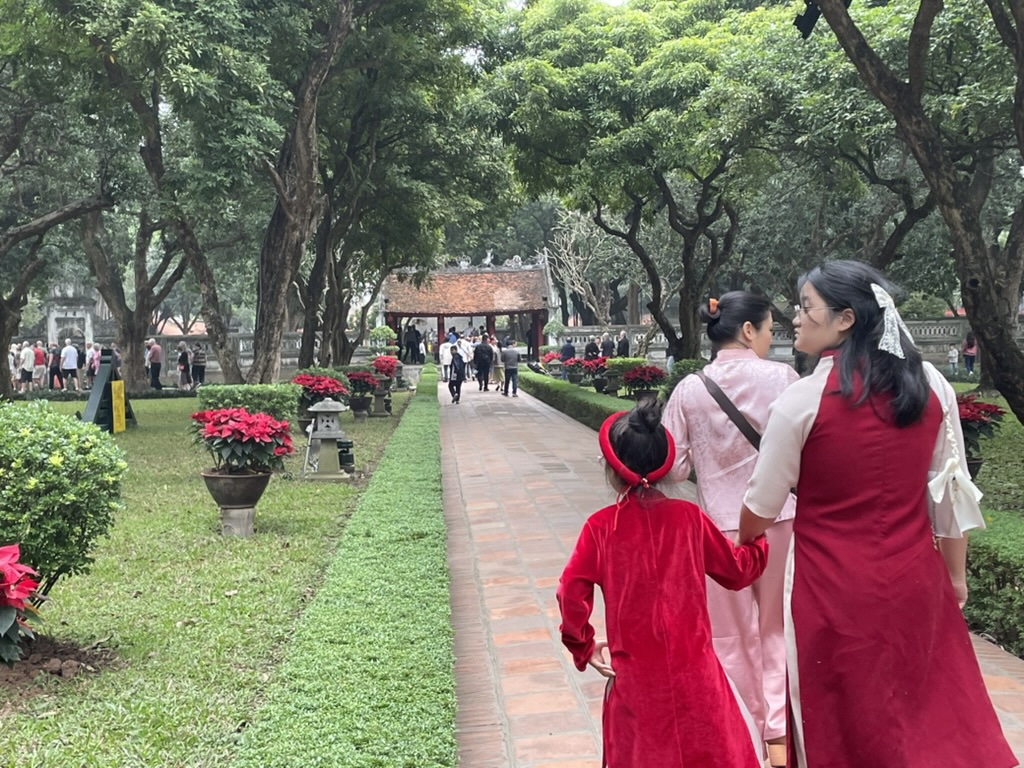
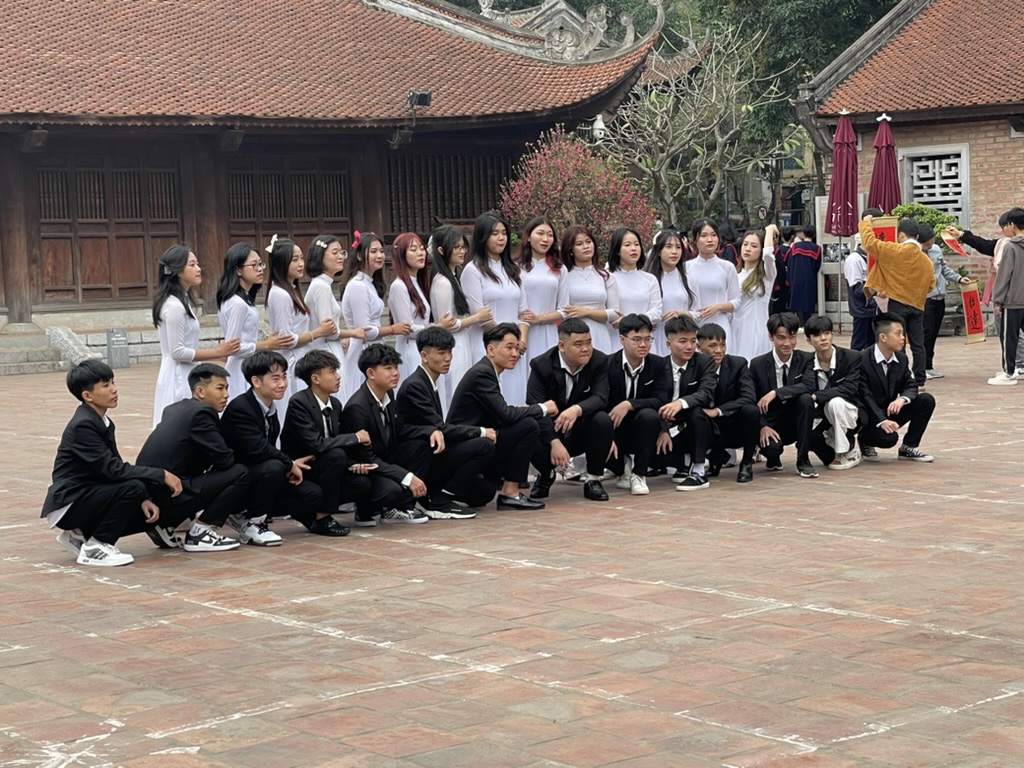
It is a common place for schools to come and the children to seek blessings for the upcoming years exams – especially those who are trying to get into University as it is a way of avoiding national service (2 years). There were a couple of groups there as we walked around.
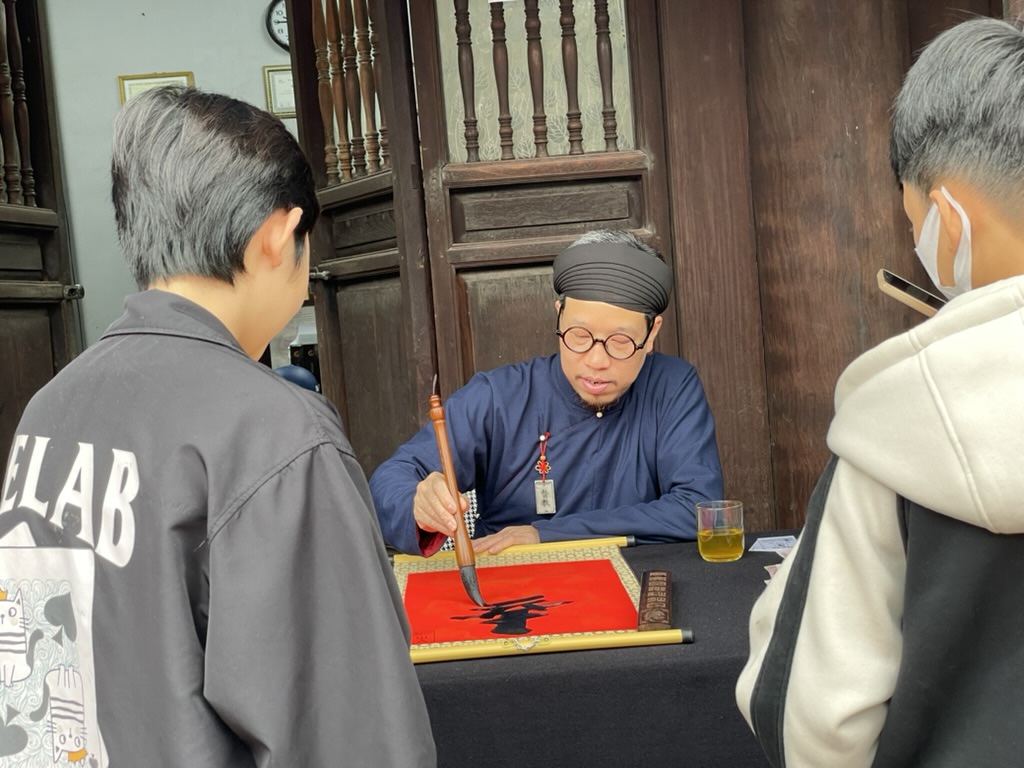
Also popular were the scrolls – either hand painted or wood blocks. The Vietnamese did have Chinese characters but with the arrival of the French this was changed to the roman alphabet although there are additional letters.
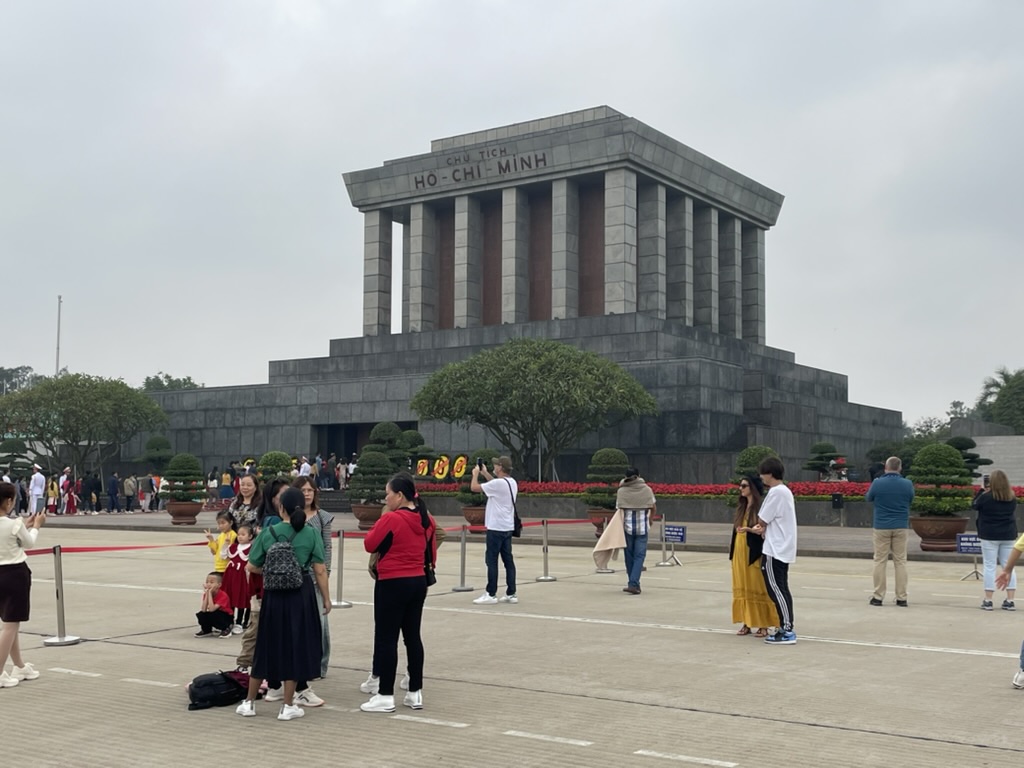
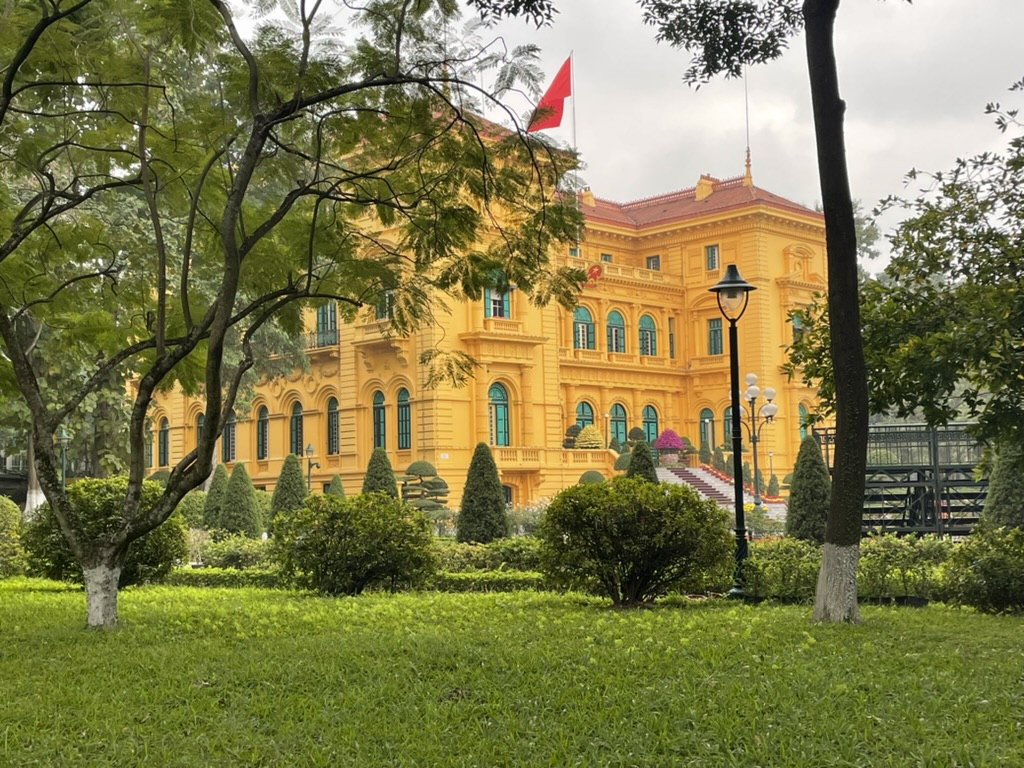
The next visit on the agenda was the mausoleum of Ho Chi Min. A huge building in which his body was preserved. We were placed in two lines and had to walk with you due dignity as we filled past his body in silence. To be fair – he was well preserved! As we came out the other side into a large square opposite us was the parliament building. Of course with a one party state this had little to no relevance and was seen as such by much of the populations. However the grounds in which the mausoleum was built were beautiful. It originally was a botanic garden with the French governors house in the centre. It was the most quiet and peaceful place we had found in Hanoi. We walked past Ho Chi Mins home – he preferred something simpler built on the style of Highland Thai people who had helped him and the cause during the war. Three of his cars were still preserved including a Peugeot 404 which had been donated by the French Communist Party.
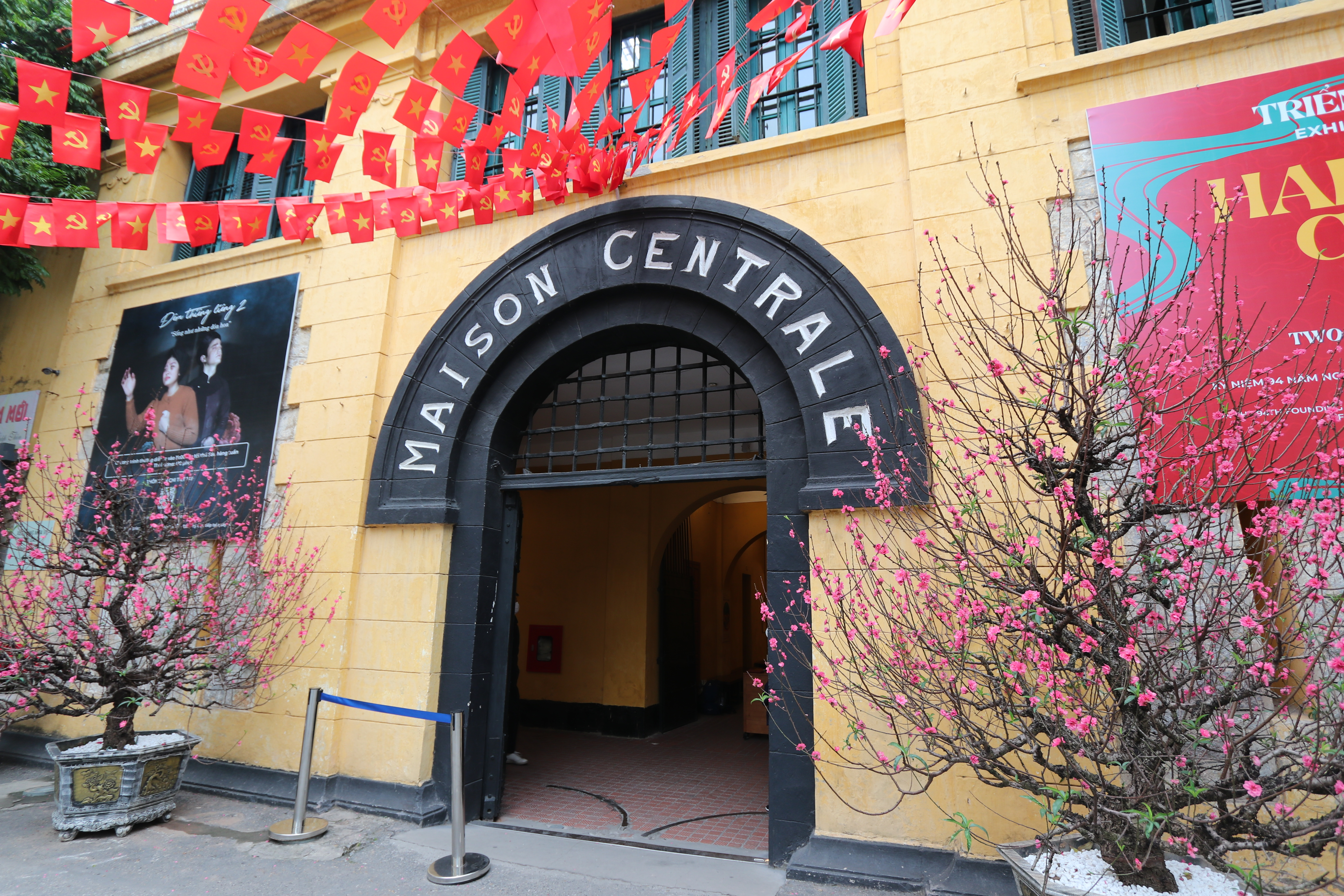
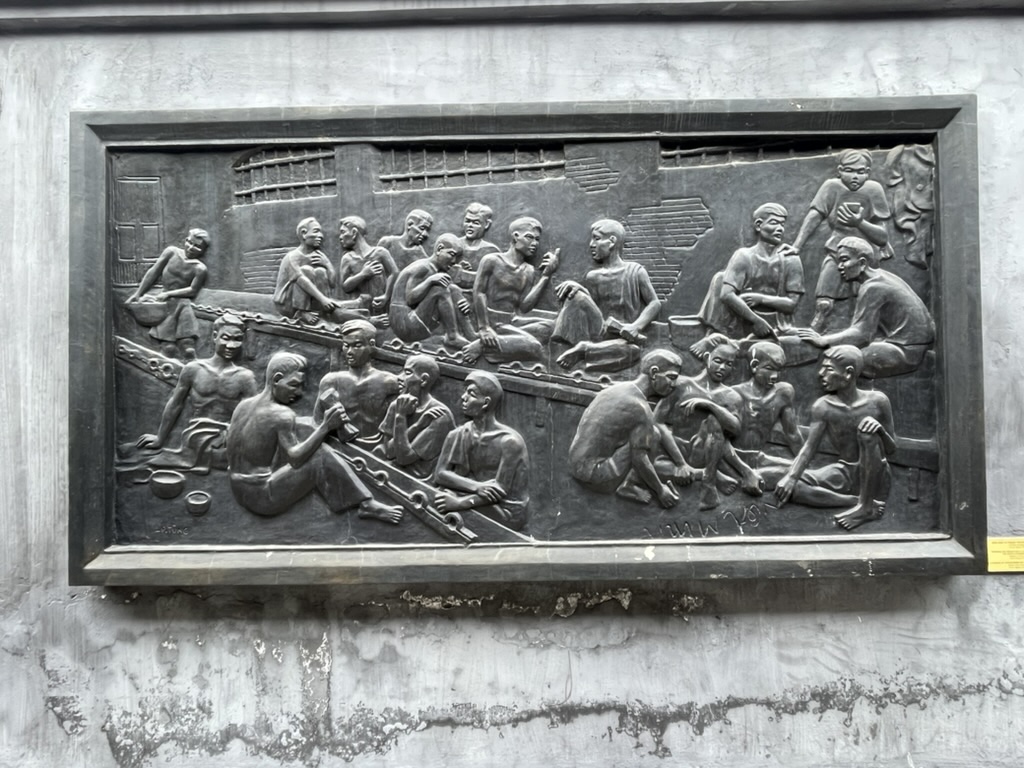
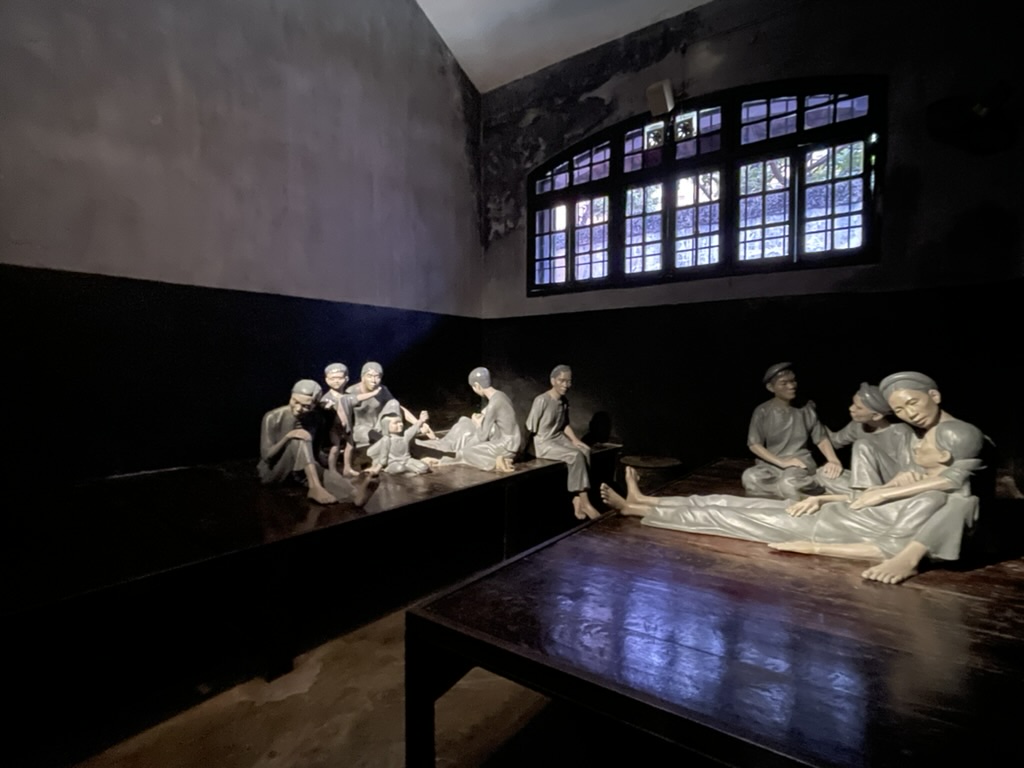
Our last trip of the morning was to the ‘Hilton Hanoi’ the infamous prison in the French quarter. It was both interesting and a disappointment. The prison had in fact been demolished. A large part of it had been built upon creating Hanoi Towers – a commercial centre. The street front had been recreated in the style of the old prison. The story was unsurprisingly centred around the plight of the Vietnamese under the French and it is fair to say that it was probably not exaggerated. Long narrow prison cells with raised benches each side where one foot of the prisoner was shackled and they could only sit or lay. Little ventilation and little water and food. Torture was primitive but brutal. There was a section on the US prisoners but it was not possible to get a view of how they had been held or treated – the story was told through rose tinted glasses. I was surprised at how many prisoners were handed back in 1973 which was about 590 US pilots many of whom had been captive since 1968 through to 1973.
After lunch we explored the Old Quarter. We were in two minds whether to go back but did not say so to each other. If we had we would have stayed on the boat! But the tour was very useful. We were taken down themed streets – food, coffee, vegetables – some of them quieter than the normal roads. We stopped for Vietnamese coffee whilst I left the group to find bier hoi – the freshly made daily beer. It was little more than a street stall where mainly Vietnamese gathered and I sat at a table with 3 people none of whom spoke English and enjoyed the beer. I had some chat with a US guy who gad travelled from Chicago – Japan – Cambodia – Vietnam – Singapore – Chicago – a 4 week schedule. Brutal for a holiday. In the 45 mins we had to look around the city we found a Banh My – street sandwich and skirted around the lake for a last time.
18th February Hanoi – Bat Trang – Thay Pagoda – Tay Phoung Pagoda
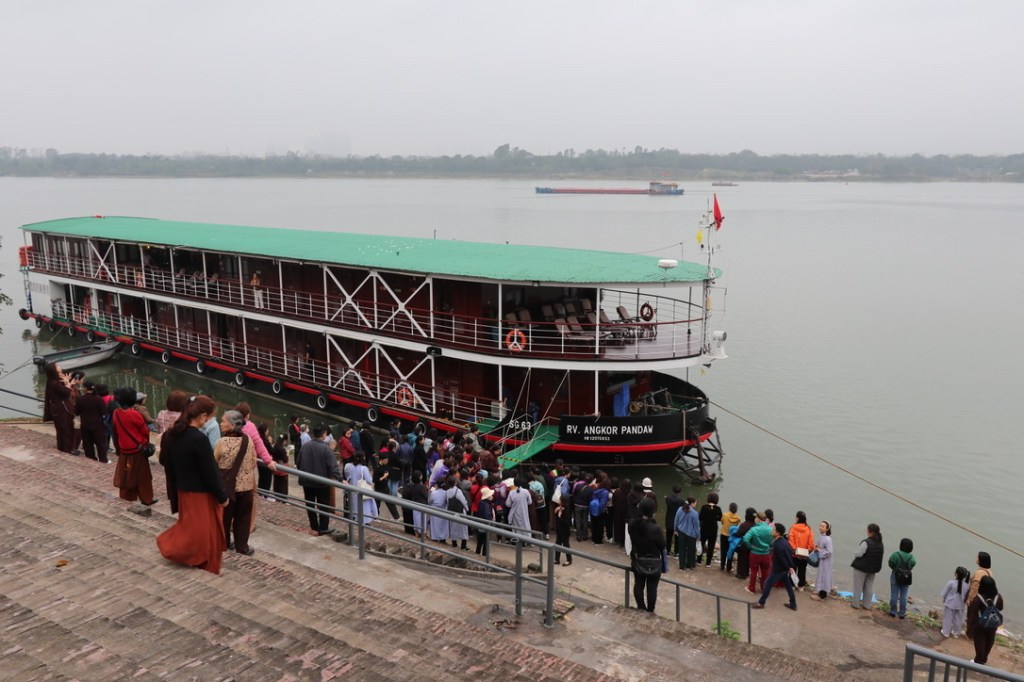
This morning we visited the village of Bat Trang. As we left the boat, there was a gathering of locals and some Buddhist monks. At first we thought it was to greet us but we then discovered it was a local New Year ceremony. Water is considered one of the most important of elements of life. In the New Year a tradition is to come down to the water and and release small live fishes into the water. Releasing and hence starting new life to bring good luck.
The entire village is focused on producing pottery and ceramics. From early days of local production it is now a high volume producer for retail outlets such as John Lewis. There are lots of inter-connecting alleyways that lead past workshops and homes. The local source of clay has now been exhausted and all has to be imported from nearby areas. Similar to much that we have seen in Vietnam there is a ‘man in the loop’ on all processes. Hand produced and painted and placed into gas or electric fired ovens.
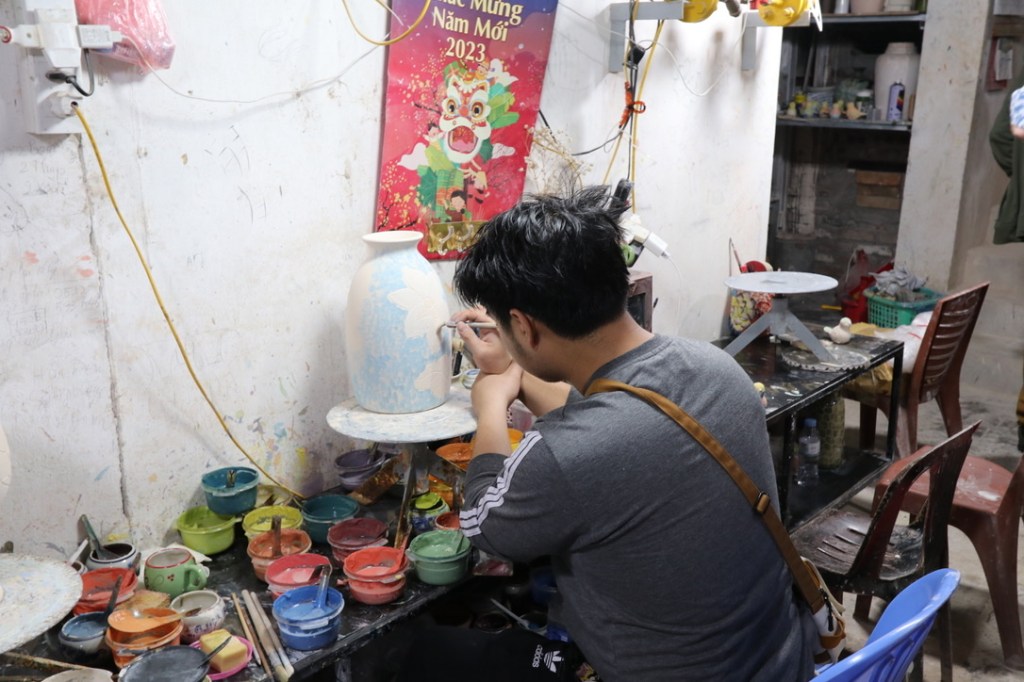
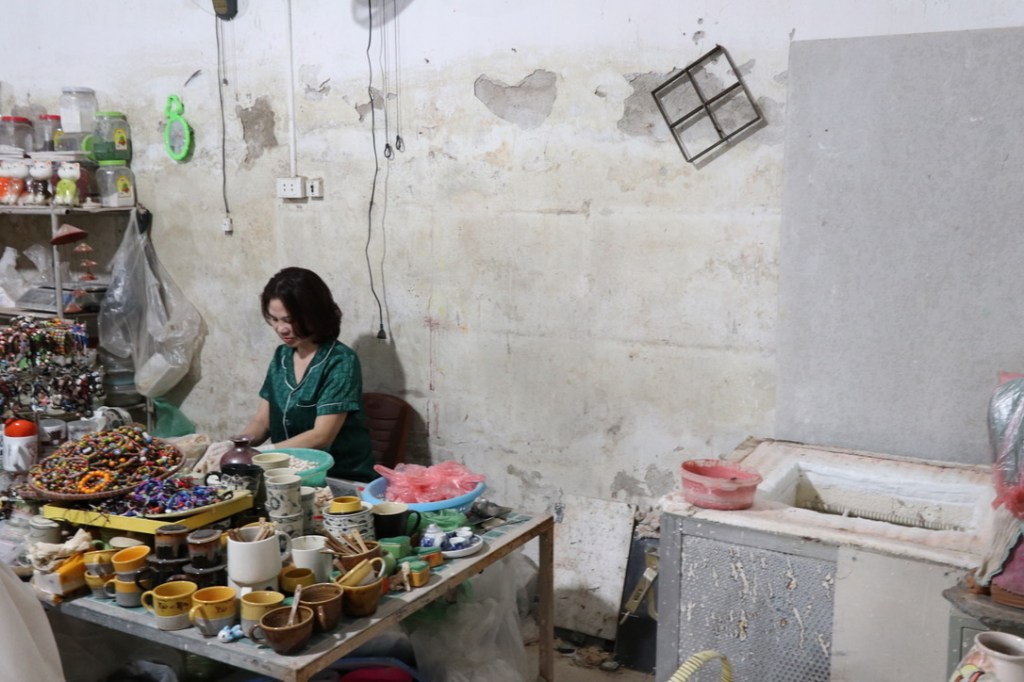
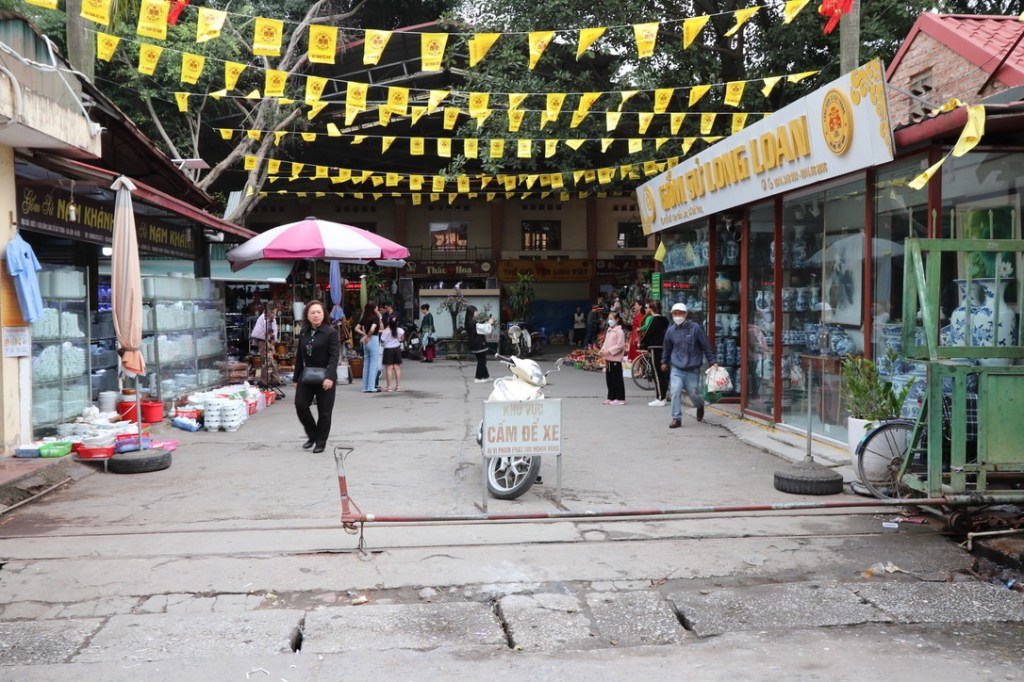
Having visited a workshop we then went to the ceramics market which was huge. Hundreds of shops which seemed to be set up as much for wholesale buyers as individuals. Even in the market narrow passages you could not escape the motorbikes. We were left to shop and barter ourselves and wandered around for about an hour. We ended up buying a ‘mass produced’ dish with the dragon on for about 40p. But we also wanted something more substantial and high quality. We saw a vase in one of the first shops we passed but decided to look around the whole market. In the end we came back to that first vase. We sort of bartered but not that hard and brought the price down from 1,500,000 Dong to 1,300,000 about £50.
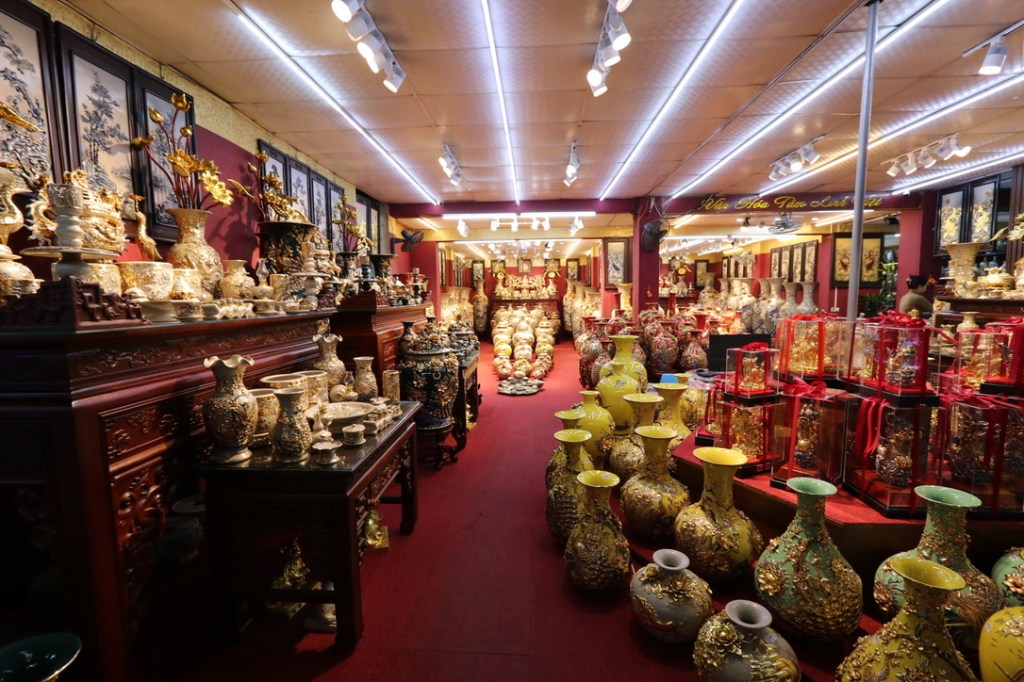
After the shopping we went up and had a special Vietnamese coffee – iced with caramel and condensed milk. From the balcony we overlooked the main thoroughfare through the market.
Upon returning to the boat at the quayside we were welcomed with a dragon dance by the locals. It was spectacular. The drumming was brilliant and the dragons movements and expressions were spectacular. It was a fantastic end to the morning.
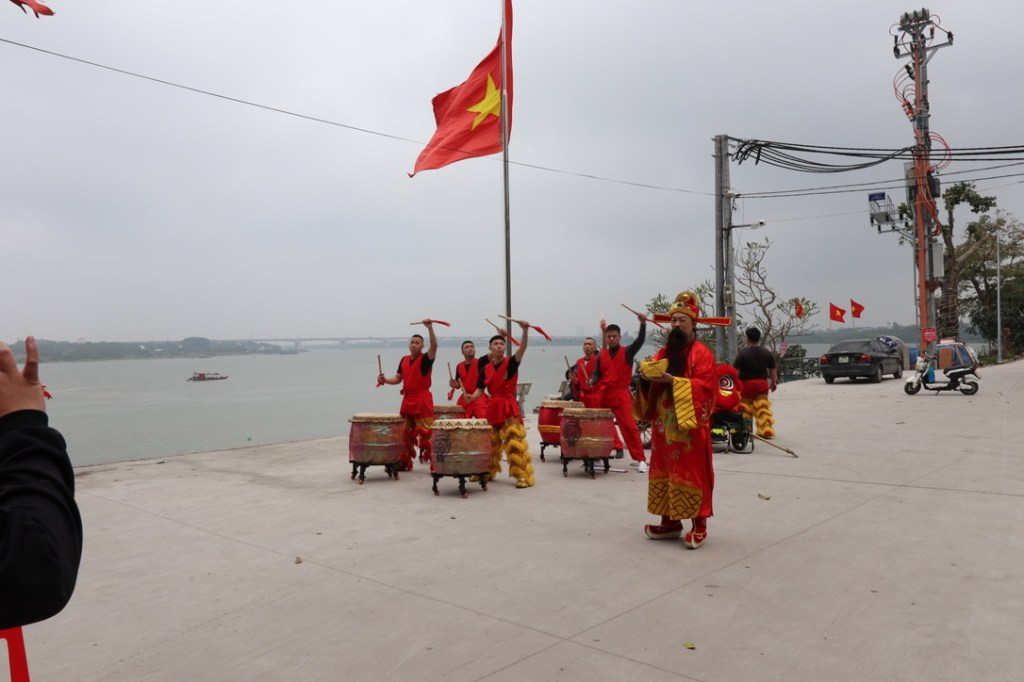


A full on afternoon. A short cruise up the river to position us to visit two pagodas at Thay and Tay Phuong. Thay Pagoda is dedicated to Tich Ca Buddha. The complex is large dates back to around the 17th century or older. It sits at the base of the Say Mountain which tours over the site and gives it a mystic feel about it. The pagoda is associated with Tu Dao Hanh who created water puppetry. At the end of his life, the Buddhist monk sat in meditation for several months without food and drink and died in that posture. Coincidentally in the year of his death (1116), King Ly Than Tong was born, leading to the myth that King Ly Than Tong was the afterlife of Tu Dao Hanh. Therefore, you can see two famous statues of Tu Dao Hanh in Thay Pagoda, including one of his real body mummified, and another one which is said to be his afterlife of reincarnation – the King Ly Than Tong. When we arrived the market was in full swing and the pagoda packed out mainly with people coming to offer gifts at the start of the New Year. Inside they are dark and the construction is of hard woods from Vietnam. They do have a sense of peace and calm despite the hustle and bustle. Young and old are there praying and offering and seem to accept the tourists buzing around them. On one of the walls of the temple was a large metal depiction of your life as viewed from a Buddhist perspective. You loved life with good or bad karma. When you died you descended to purgatory for 40 days and there you were revisited and bitten by the animals you had killed or hunted. After 40 days you crossed the bridge to heaven. When you were half way across the bridge you were given a cup that contained your tears from life – happy and sad tears. Once you had cross the bridge your old life had ended and you would then be reincarnated. The 40 days was reflected in how you were buried after death. You had a first burial that lasted 40 days and during this time you could see your family but they could not see you. After 40 days when you had crossed the bridge your body was dug up and moved to a place of permanency.

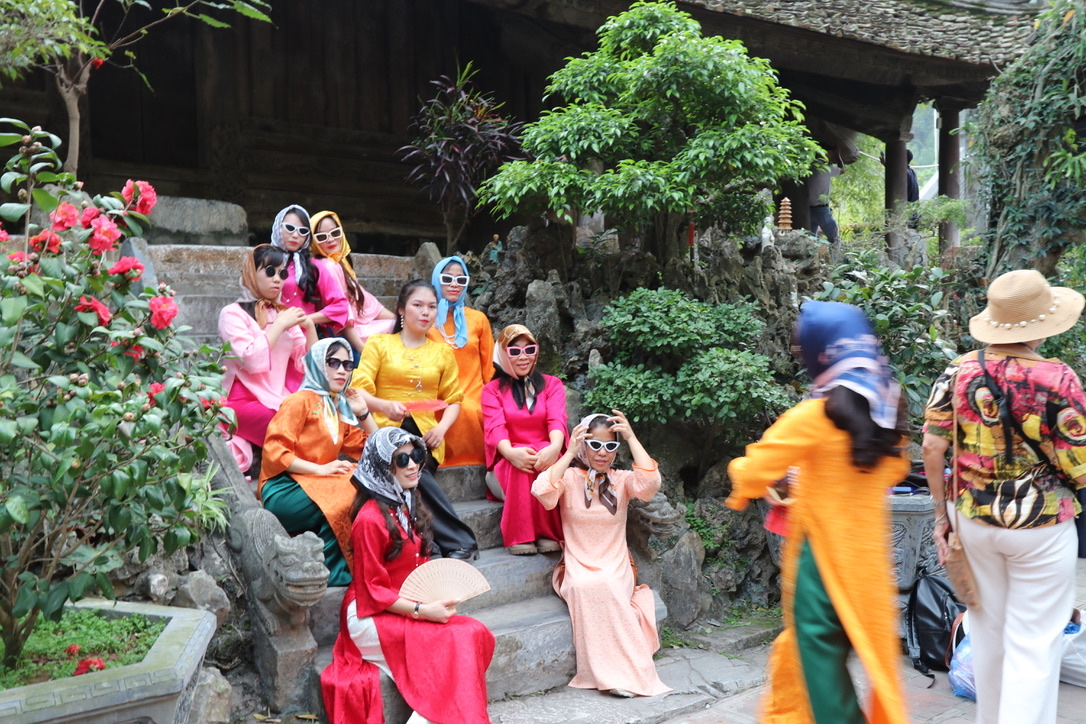
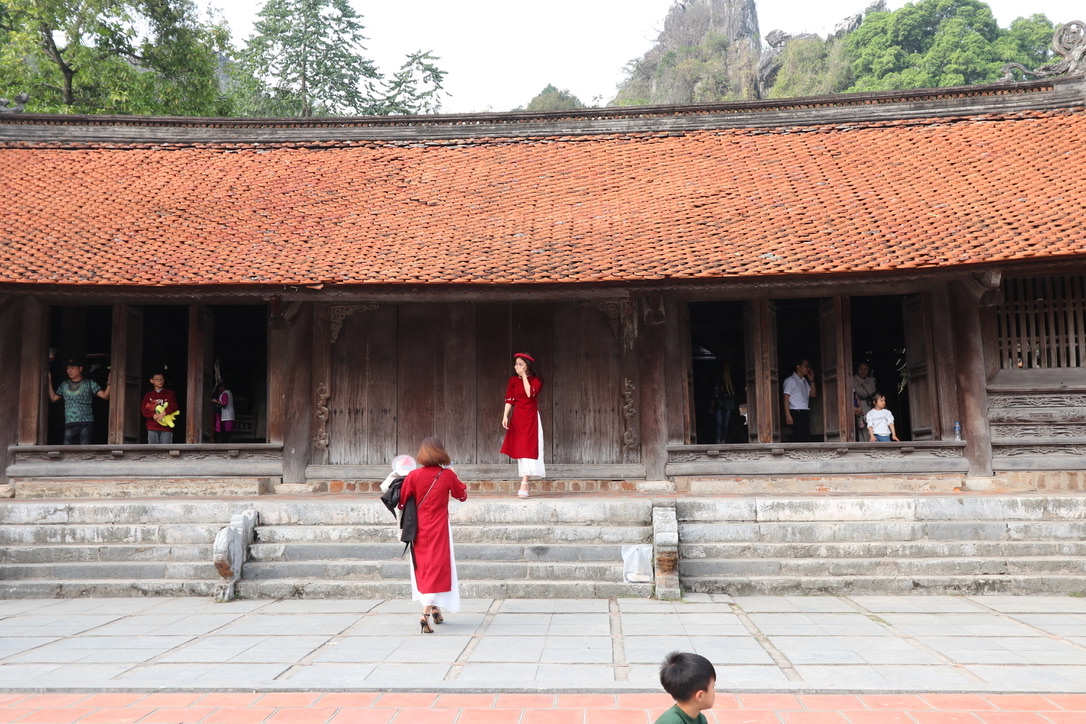
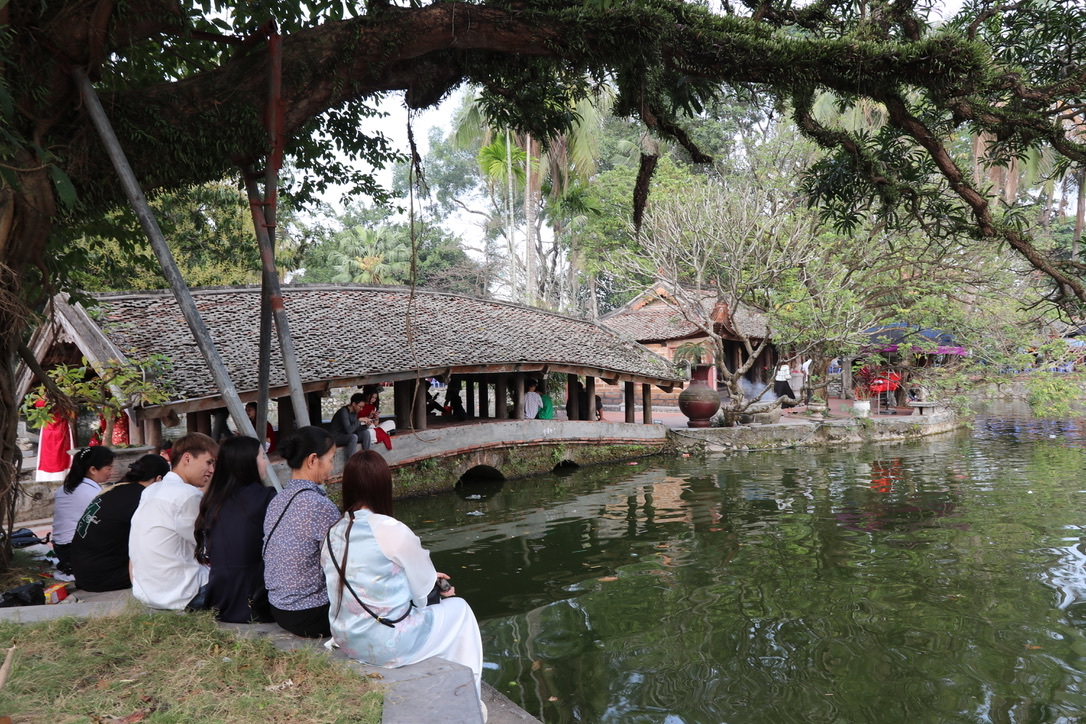
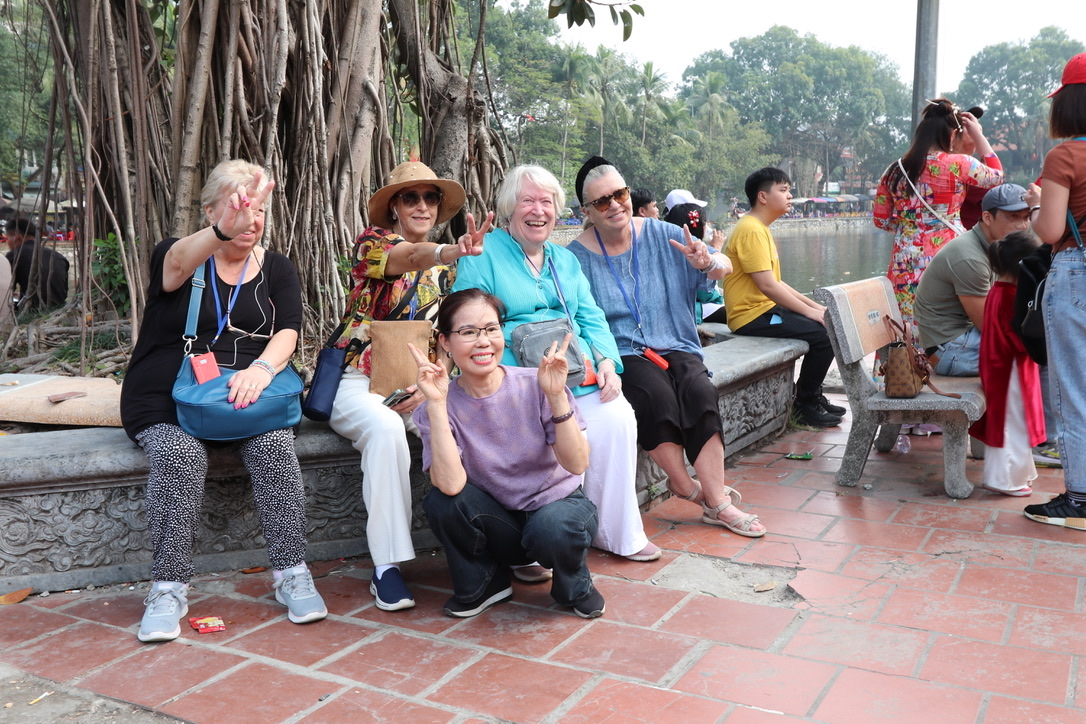
As in other locations we have visited on this trip there were virtually no other westerners present. Our photographs were in much demand!
We then travelled on by bus to the Tay Phoung pagoda. This was set atop a hill – the guidebook describes it as a hillock – Gillian would take exception to this as there were around 350-400 steps to get to the top. It was even more popular than than first. The road leading to the pagoda as well as the area immediately around the pagoda was full of shops selling mainly food and drink and sellers of trinkets from mayflowers to beads to little wooden key-rings that illustrated your year of birth in the Buddhist calendar. The climb up to the top was not too challenging. Halfway up I was stopped by 3 women who were selling food for a photograph. As is common it was not a stop and snap but a stop, pose, snap, look, pose snap and eventually content with the picture hands were shaken and I was able to catch up with Gillian. At the top was the pagoda complex – it was not as impressive as Thay pagoda but was nevertheless worth the climb. The carvings were from jackfruit wood and dated from 18th century
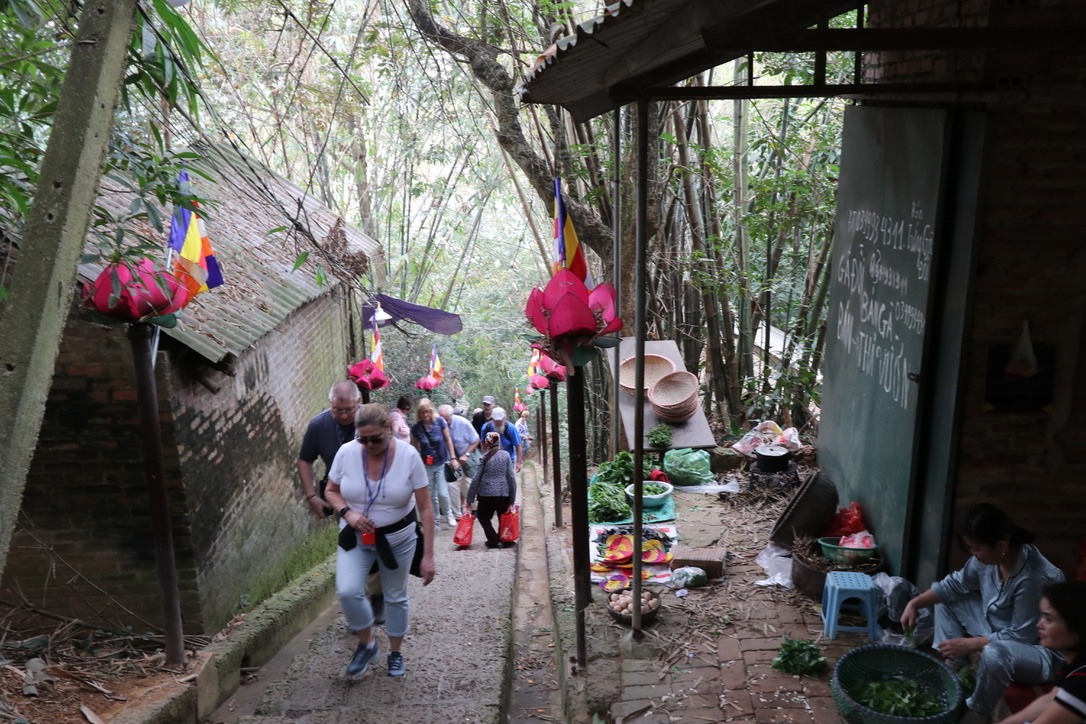

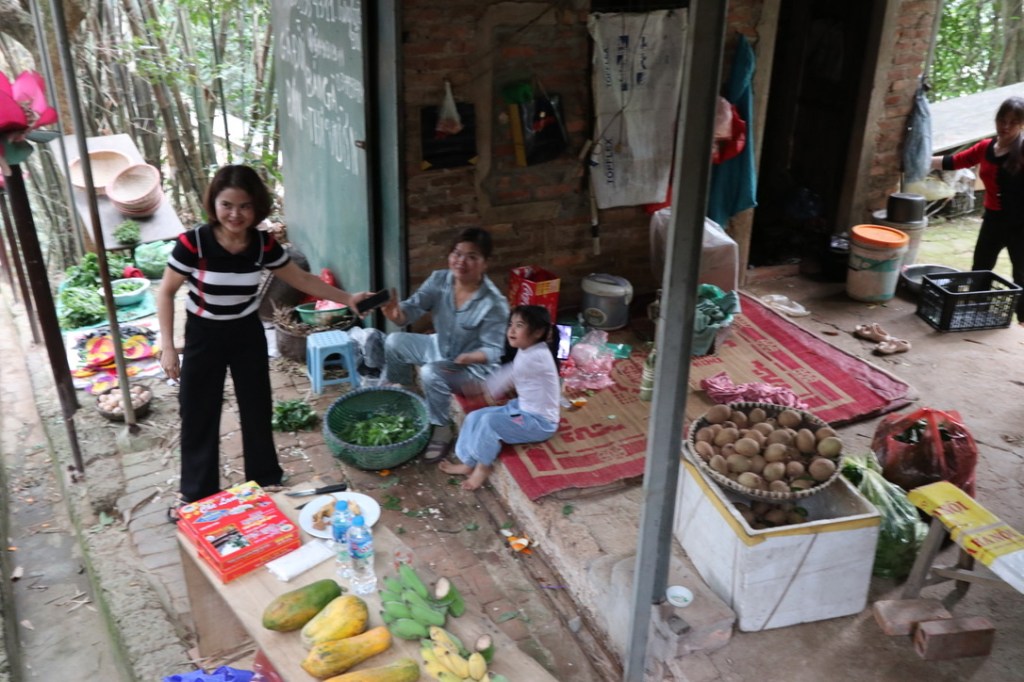
We were back on the boat by 1730 after a long day. The gin and tonics went down well and were needed before changing for dinner!
19th February – UNESCO Doung Lam Village – Ly Nhan Commune
This morning we visited the last market of the tour! A small competition was organised and the group divided into teams. Our task was to buy 5 items and all we were told was the Vietnamese pronunciation: urt, hang, toy, gunn and chang. We were given 20,000VD and guessed they must be vegetables of some description. The first stall holder we approached had absolutely no idea what we were asking. However the 2nd not only seemed to understand us but also seemed to decipher what we wanted from our small handwritten note. We negotiated a price of 10,000VD and returned triumphantly back to hand over our results. A nice gesture was to return to the seller and hand them the remaining 10,000VD as a tip/thank you.
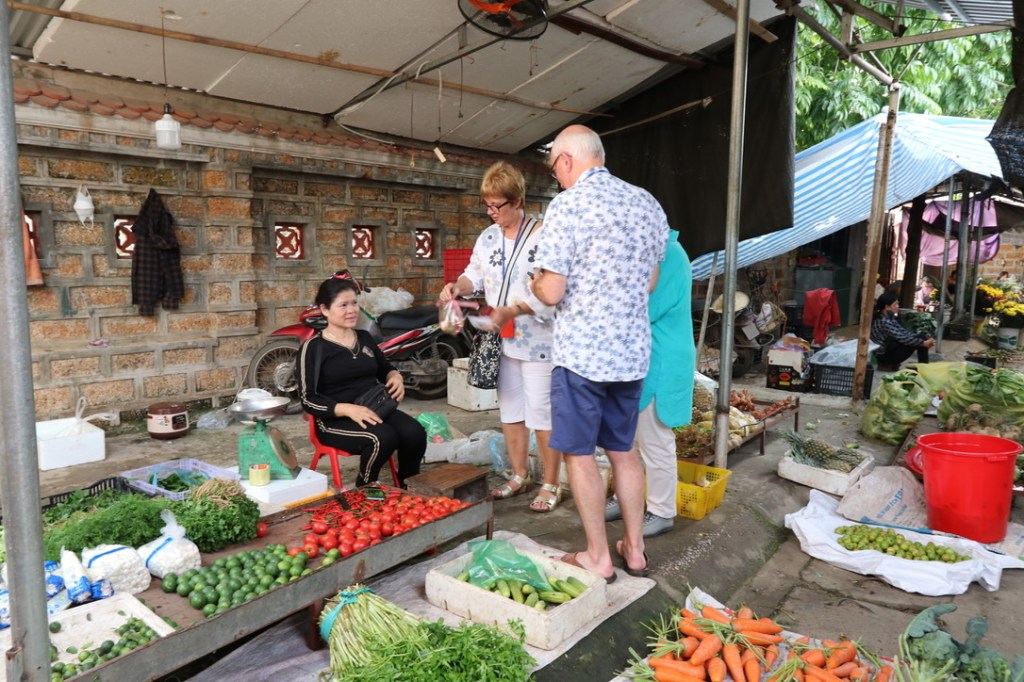
From the village market we walked to the UNESCO village of Douang Lam. We visited the Village Meeting House in which there were still celebrations ongoing from the Chinese New Year – they certainly take New Year a lot more seriously than ourselves. The set up for formal events is for the elderly people to sit in the centre at the front, on the left hand side families who have a first born son and on the right hand side families with no son. Whilst attitudes have now changed there remains an underlying current of boys being important to carry on the family tradition and look after their parents. When a daughter marries man, she ceases to be part of her family and becomes part of her husbands family and expected to support them. In Vietnam the parents rely on their children looking after them as they grow older – hence the importance of a son.
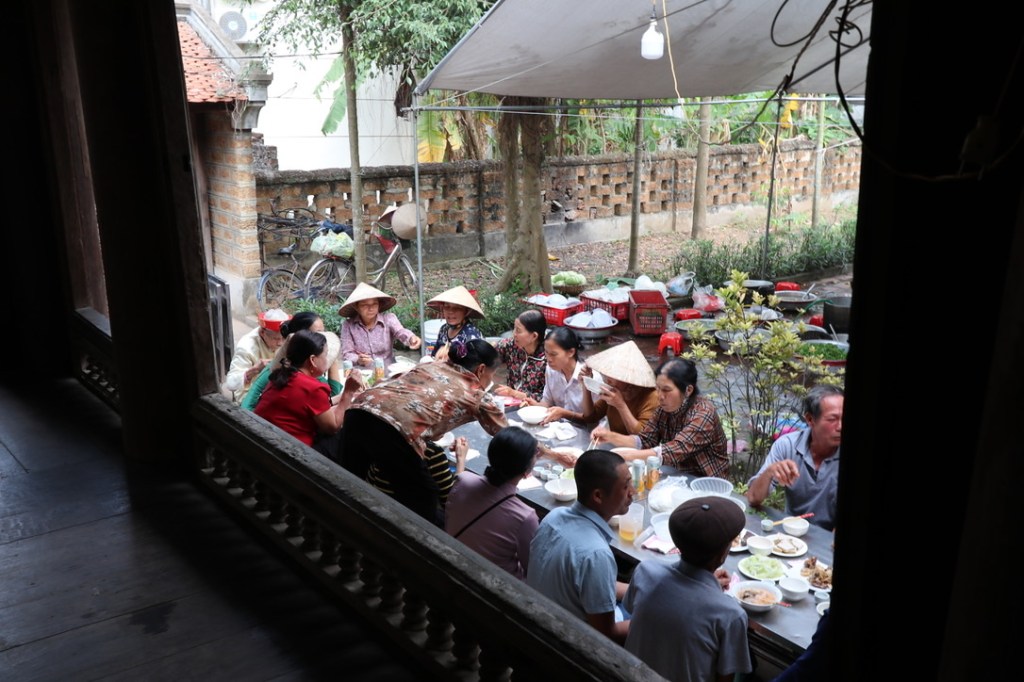
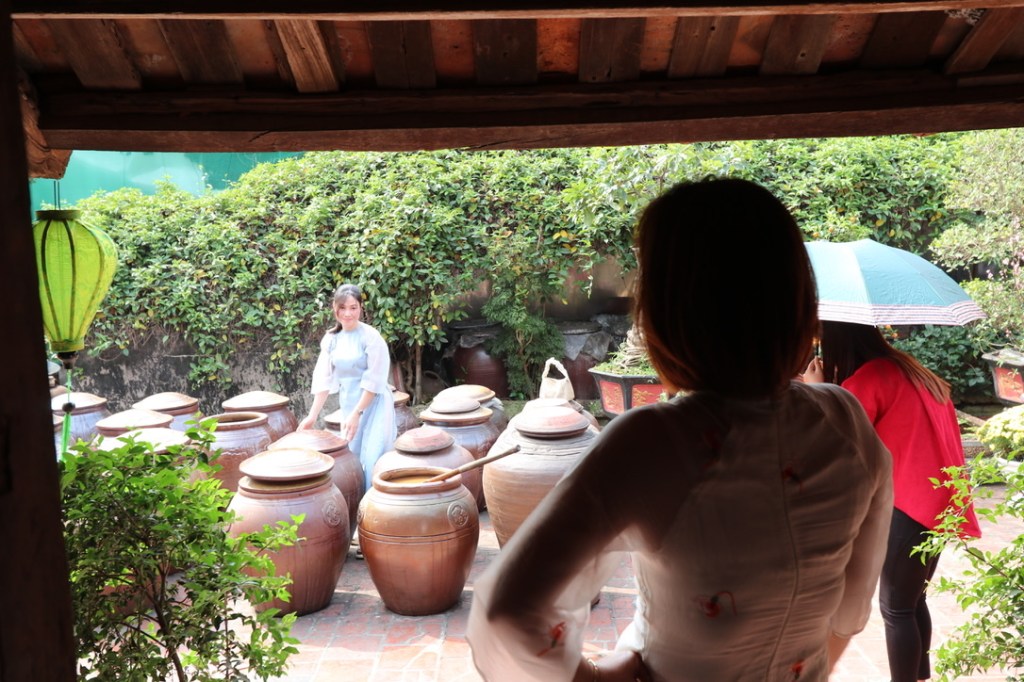
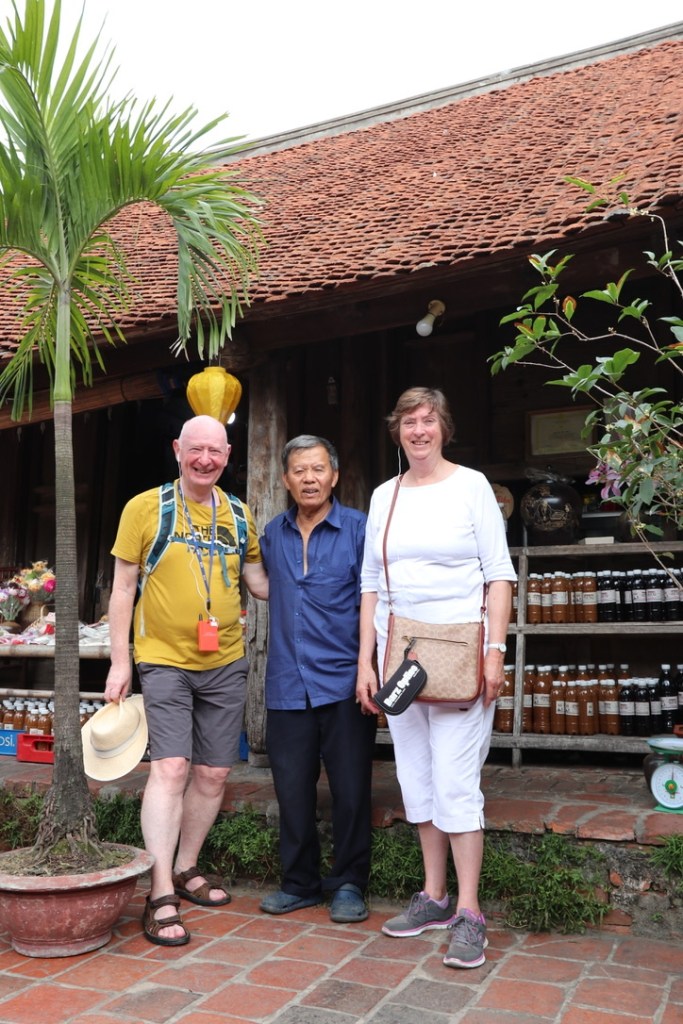
From the Village Meeting place we walked through narrow alleyways to an old house that had large stone jars in the courtyard in which they fermented rice. This seemed to be to make a sauce for serving with food but it might also have been used to create rice wine. The owner had been a soldier in the Vietnamese Army but because he was a catholic he was not eligible for promotion to any significant rank. We say in the main room of the house surrounded by photographs of his family and in front of the family shrine. We were served wonderful green tea in small cups with a fish decoration at the bottom. This was followed by brown rice wine – quite nice but at that time in the morning quite strong!
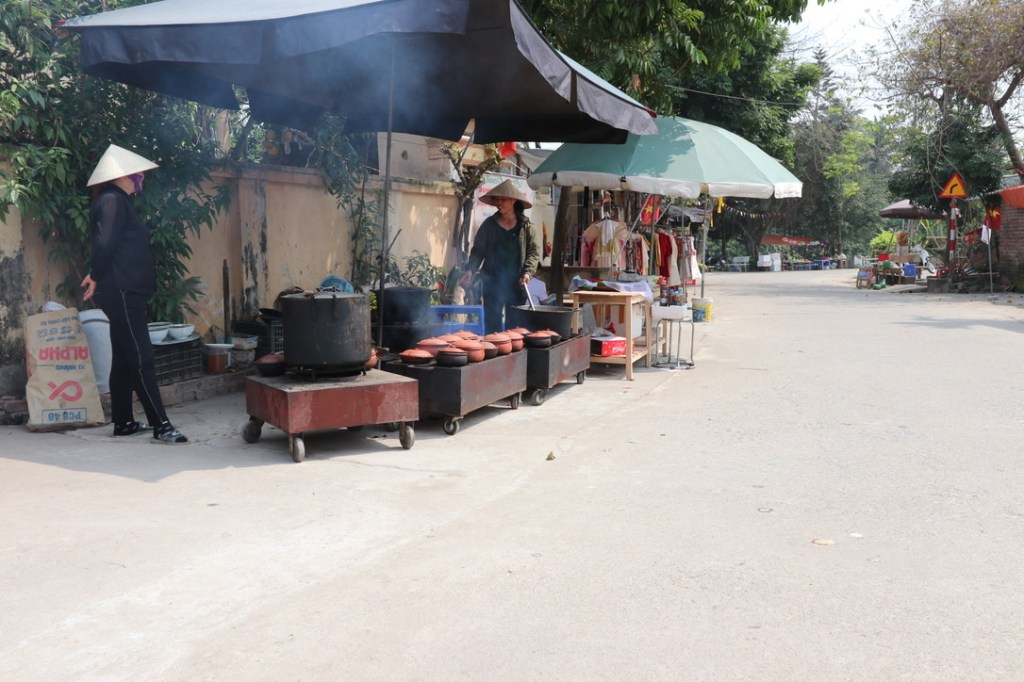
On the way back we walked past an open air kitchen where they were preparing meals in clay pots. This seemed to be a form of fish stew which families could buy if they did not have time to cook themselves. For Vietnam it was quite expensive – around $13. The rice in this area had been planted and at last we were starting to seem the green fields beginning to grow.
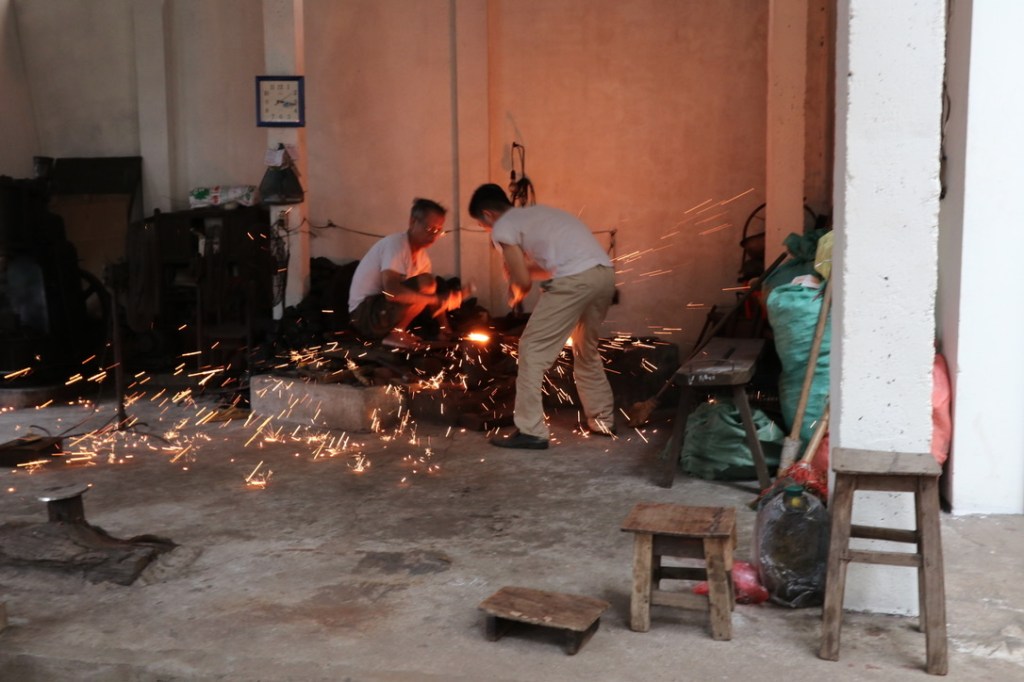
In the afternoon the river ferry came out to pick us up and transfer us to shore as we were moored in mid-river. Ly Nhan village is a blacksmith village in many ways along the lines of cottage industries. The first stop was a woman making handles for knives and scythe. The noise was horrendous but no ear defenders in sight. She was paid per number of handles produced and she was reluctant to slow down to speak with us. From there we walked to the blacksmiths shop which was effectively in their house courtyard. It was a family affair – the father and son acting as blacksmiths and the daughter helping to hammer out the metal from the coal fire where it had been heated. She also seemed to be the ‘marketing manager’. A small joke was made that the family of the girl are happy if she is born strong as it is easier to find a husband in the village! The iron was mixed with a small piece of steel and heated. It was then hammered flat by hand and reheated before moving to a large machine which thumped out the knife shape. Some more heating and then sharpening. It was impressive to see them work and the cost of the large knives was small for the effort that had gone into them – around 200,00VD – £9. Gillian chose one for the kitchen which we hope we can get back into UK!
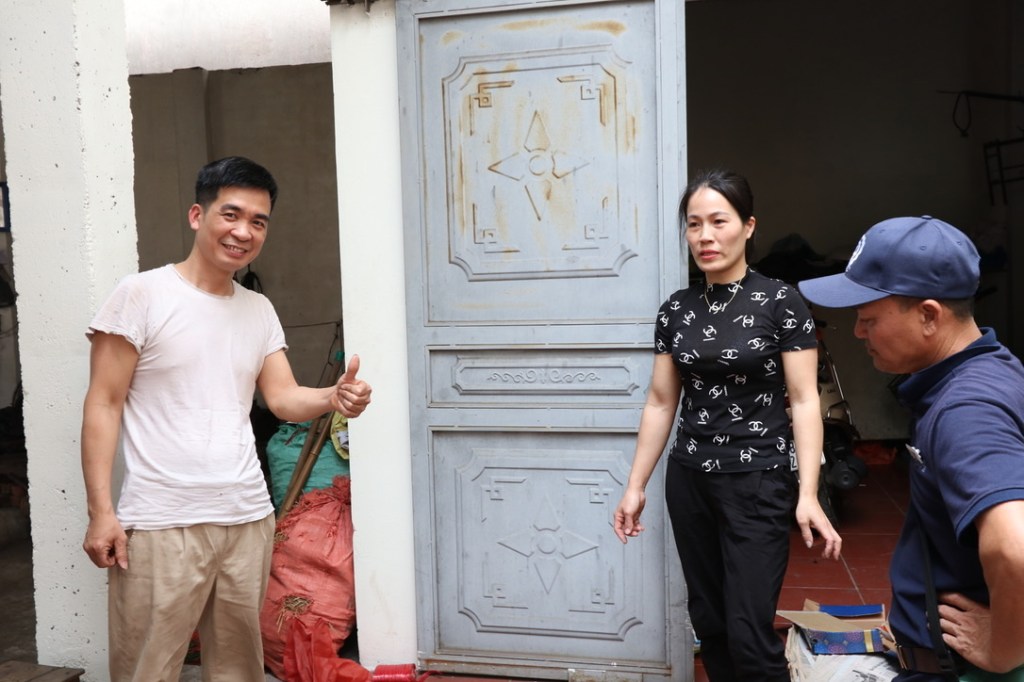
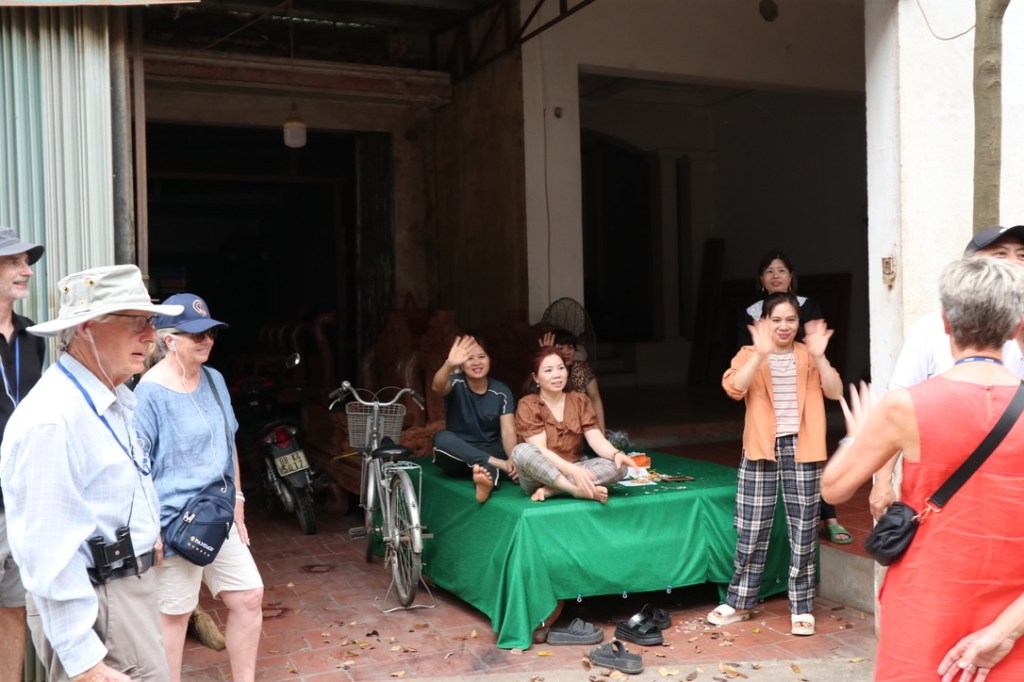
We then travelled inside the dyke – there was a clear definition between those that lived inside and outside of the dyke. In this village they made furniture. The wood was not from Vietnam but brought in from Laos and S Africa. we did think there was some irony in Vietnam conserving its forest but happy to rape and pillage Laos! The furniture was impressive and huge. Certainly too large for any house we had lived in. It was still the Tet holiday so not many of the workshops were open. We past a group of women sitting on a table chatting and eating nibbles. In the corner of their workshop was a wooden frog which they made and was meant to bring good fortune to a house. When the guide asked the women about the frog they said they made tow – one for the honest official and one for the corrupt official. For the corrupt official you could put a gold coin in the mouth before giving it to him!
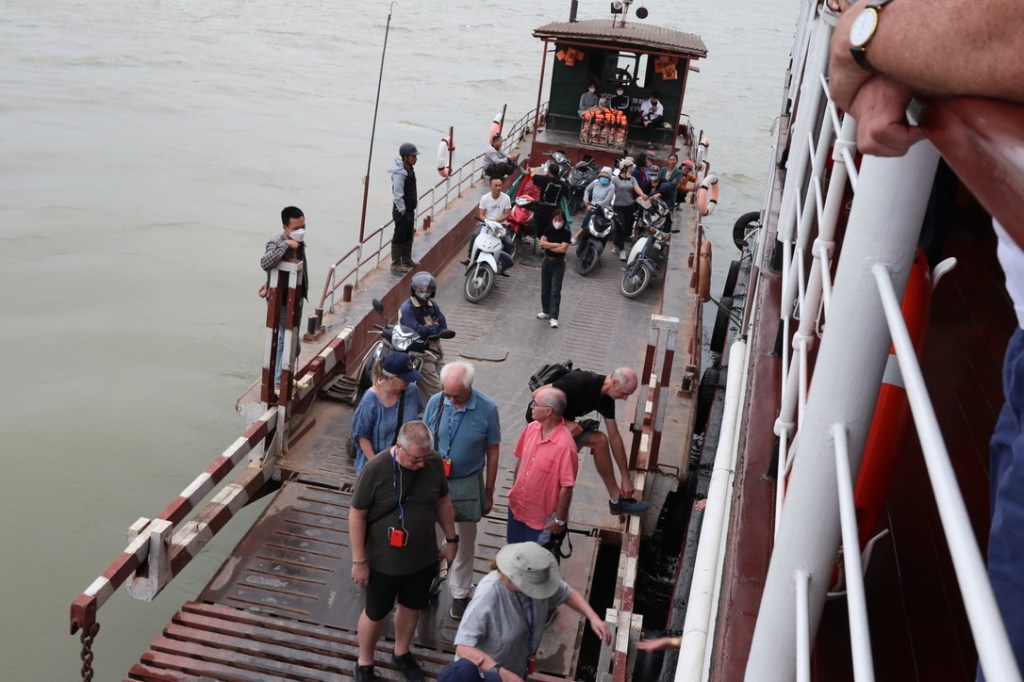
It was then back to the boat for our last night. The river ferry was already loaded with motorcycles but invited us on and made a detour to our boat to drop us off.
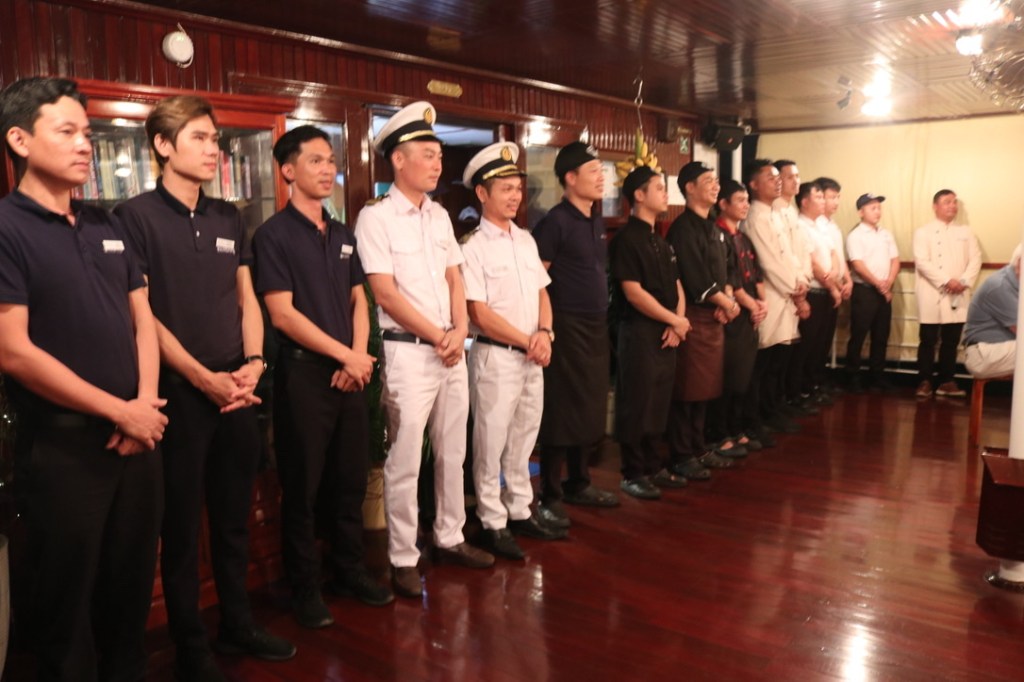
Prior to packing we said farewell to the crew who had looked after us so well. A little bit of compulsory dancing was included!
20th February – Lo River – Hung Lo Temple – Tien Du Village – Viet Tri City – Hanoi Airport – Hue Silk Path Hotel
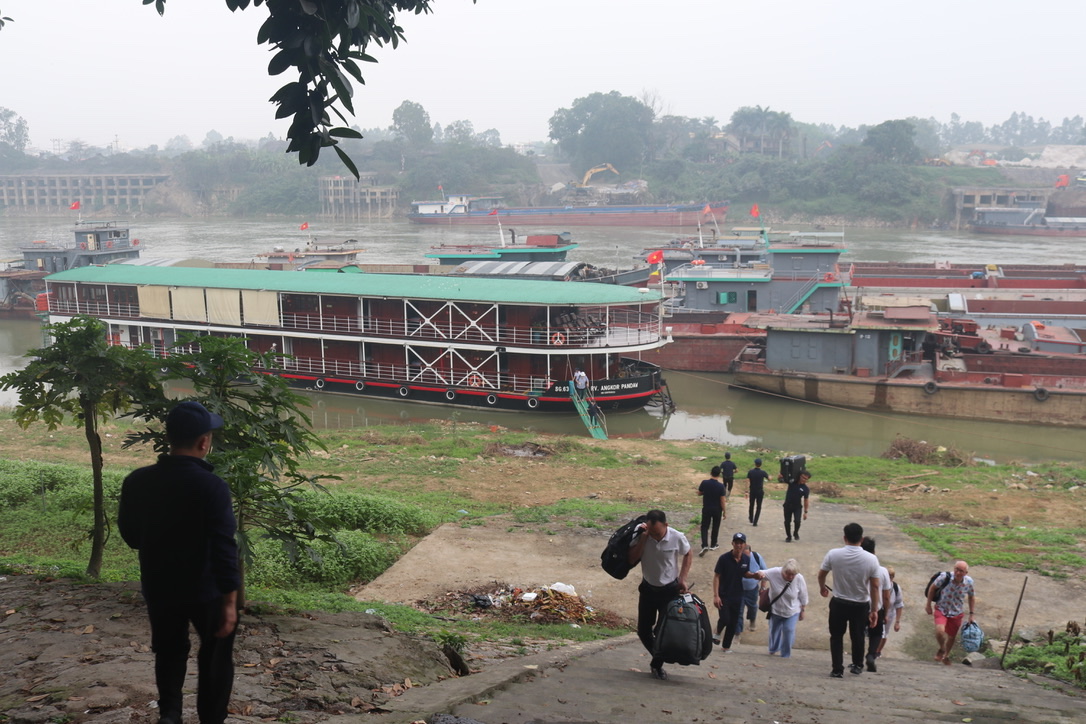
A packed day again. Up at 0630 to pack. We were concerned that we might struggle to get all of our stuff into the bags – but it worked out. Gillian hand carried the vase and the ‘bells’ we got from the hotel in Hanoi for New Year. Docking the boat was chaotic – definitely extreme rafting – we the skipper manoeuvred the ship in between multiple barges who had to move to make room for us. It took him around 40 mins to get us in. The Lo River which flows from China was fill of commercial traffic – mainly barges collecting sand for construction. It all seemed to be conducted with a good sense of humour and helpfulness.
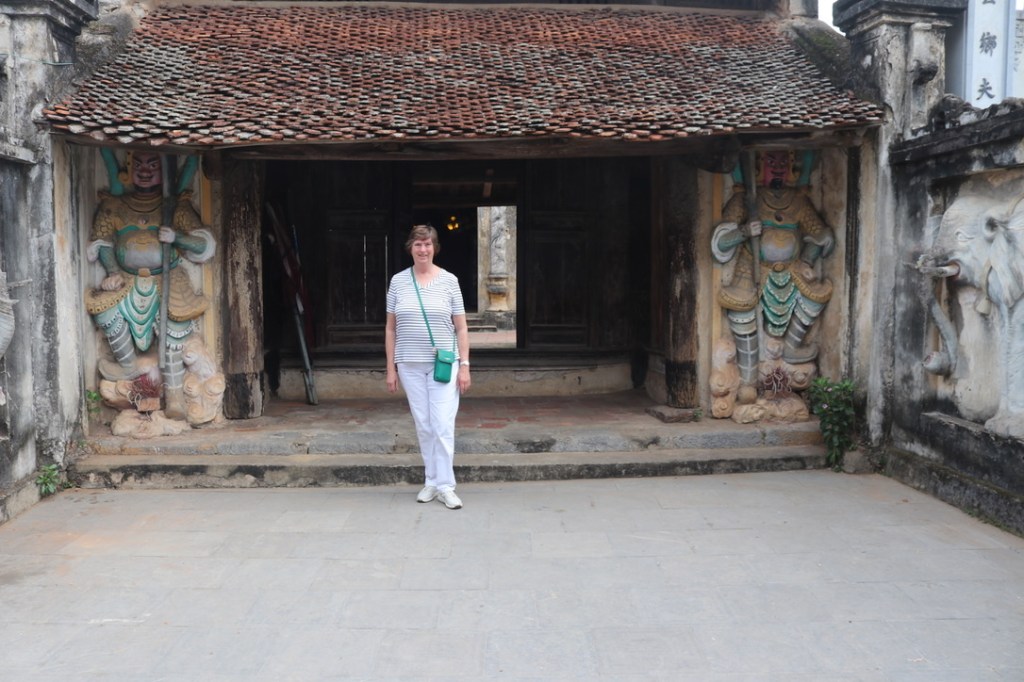
Even though we were beginning to feel a little jaded the village we went to first was quite inspirational. The Hung Lo Temple was built in the 17th century and is dedicated to 3 royal lords – At Sun High Lord, Vien Son High Lord and Ap Dao Quan High Lord. We were treated to a traditional dance and songs by members of the village who keep and pass on the traditions of their forebears. The instruments were basic – a drum and bamboo sticks. One of the dances reflected the work of the men and women in the rice fields and the final one was fishing in the Lo River. For this dance the women acted as the net and the men as the fishes. We were all invited to join in. A simple dance that we could all pick and follow the movements easily! After the dance we were served rice wine in a greeting ceremony.

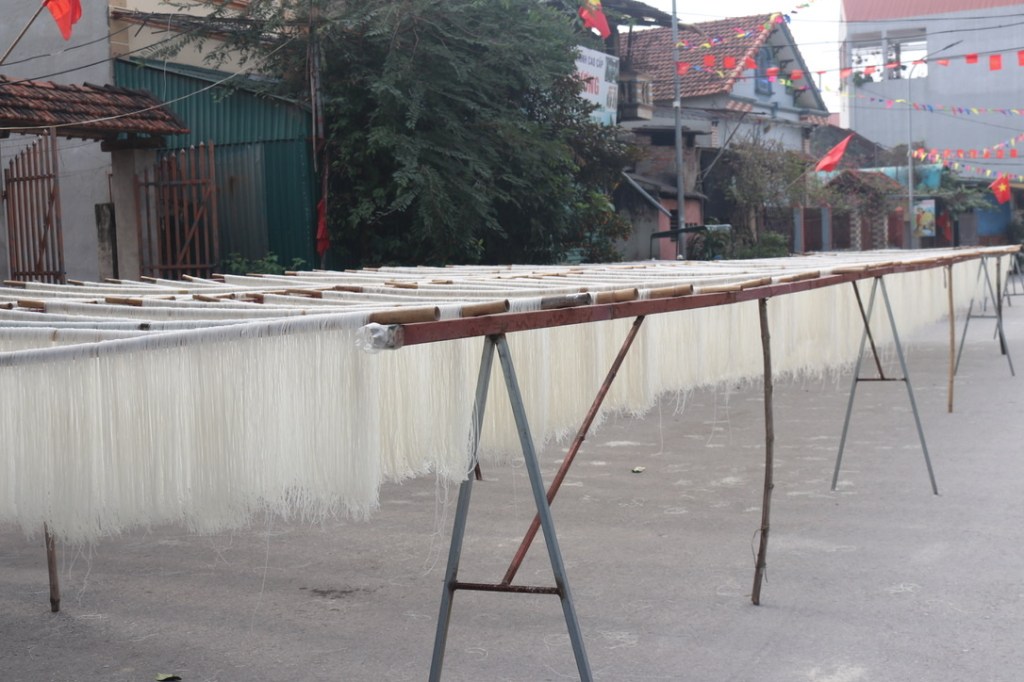
This area also produced large quantities of noodles. We could see them drying in the sun on wooden poles. We visited one of the small cottage industries that made them. Rice mixed with water and then pulled though a machine that created the long strands that were then put out to dry.
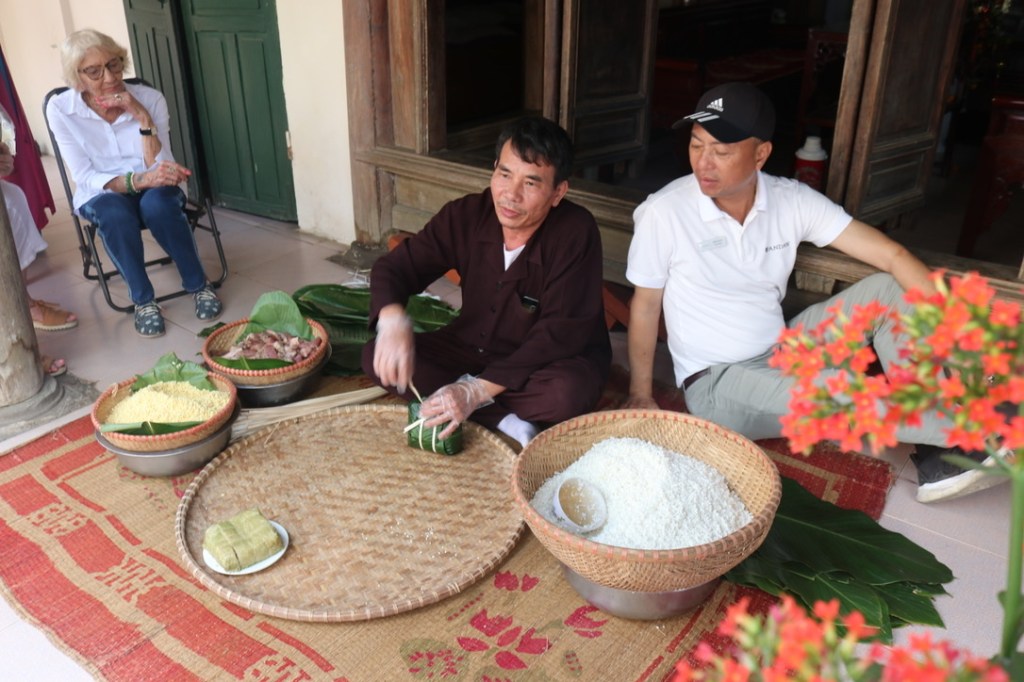
We also visited a house that made a form of rice cake. It consisted of a layer of sticky rice, corn, then pork with a further layer of corn and sticky rice. This was then wrapped up in a leaf which I am not sure what it was. The ‘package’ was tied up with bamboo and then slowly cooked for 6 hours. These were then sold in the market. We each tried a piece – it was nice but very heavy on the stomach. One of the top tips was not to drink beer with sticky rice – the combination does not bode well!!
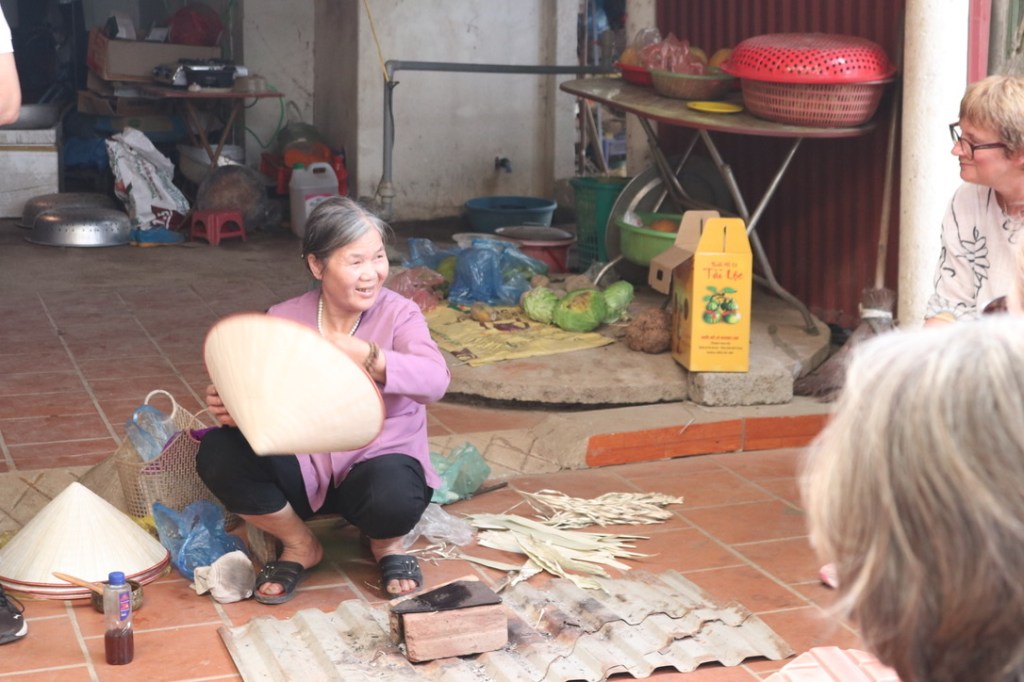
From there we travelled to the conical village where they made the traditional hats. Another fascinating visit. It took 1 day to make one hat. They started off with a frame upon which they laid multiple layers of palm leaves and then added a ‘chin strap’ to keep the hat on and then lacquered. The women sat around in a group chatting and making jokes as they each constructed a different part of the hat. The ‘working’ conicals are made from palm leaf and the ‘fashion’ conicals are made from bamboo. The life expectancy of a working conical was around 2-3 years in all weathers. They are widely used and a very common site not just in the fields but around town. The shape also lends itself to being used as a basket. We were each presented with one and then sat down for tea, bananas and peanuts. We were introduced to halving the bananas and adding a peanut to the top before biting off. Each of the hats had been made specially for us and were were all asked to take it away. For those that could not ‘import’ when they returned home, the guide collected and would hand out on his next visit to the villages.
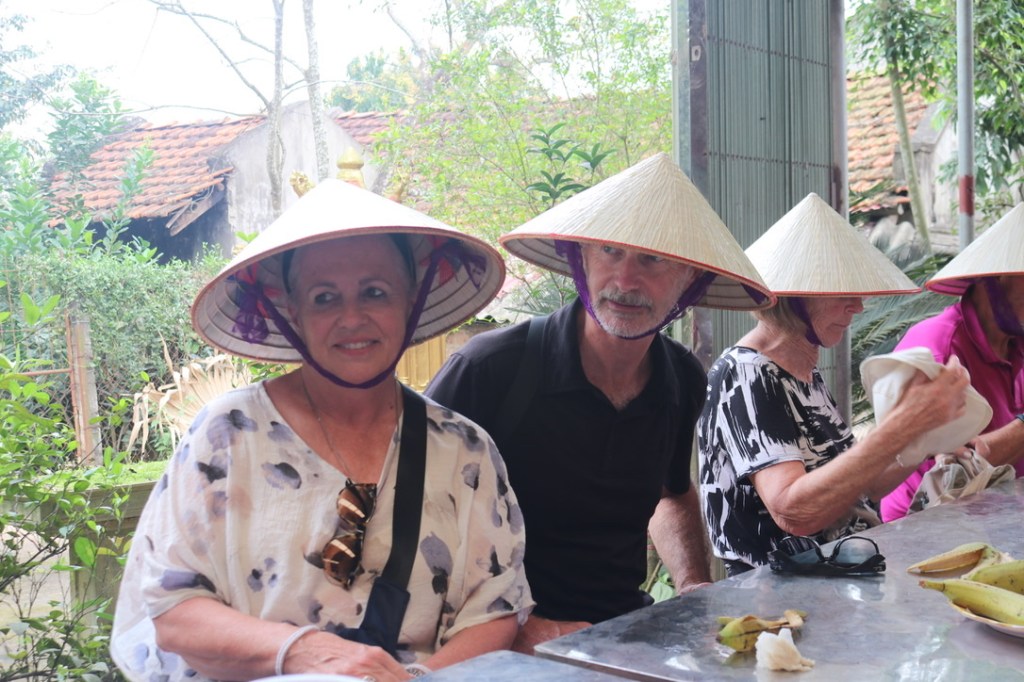

That concluded our final visit. We returned to Viet Tri which is the capital of Phu To Province with a population of around 260,000. It was one of the first industrial towns built post war in Vietnam. Investments were made from a number of European countries and it now has paper, steel, shipbuilding and electronics. It has the feel of a modern city with wide roads and for Vietnam a surprising proportion of cars. We had lunch at one of the ‘top’ restaurants. A typical rice table with huge amounts of food – noodles, chicken, pork, vegetables, soup, tofu. The noodles were really nice as was the soup. Chicken was definitely Vietnam style rather than western style. The are big birds here!
From there to the airport where we said our farewells before a short flight to Hue. The flight was completely full but only about 6 local people and the rest were tourists! We were meet by Tuan to take us to our hotel – another Silk Path hotel in the centre of the town. The evening was spent recovering……….in the bar!
21st February – Perfume River – Thien Mu Pugoda – Imperial City – Tu Duc Tomb
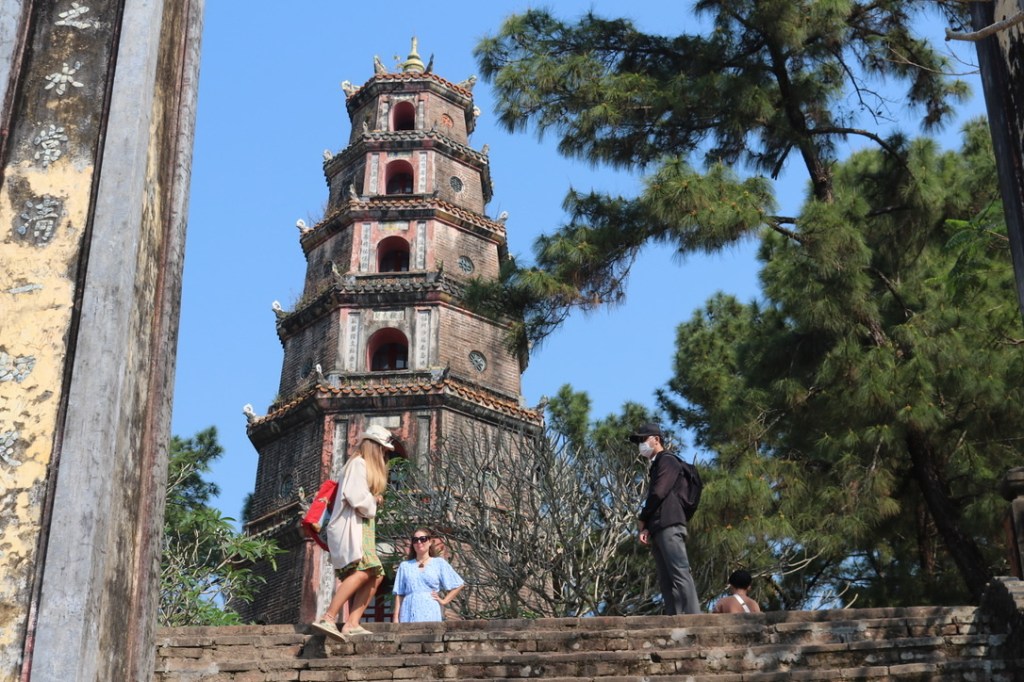
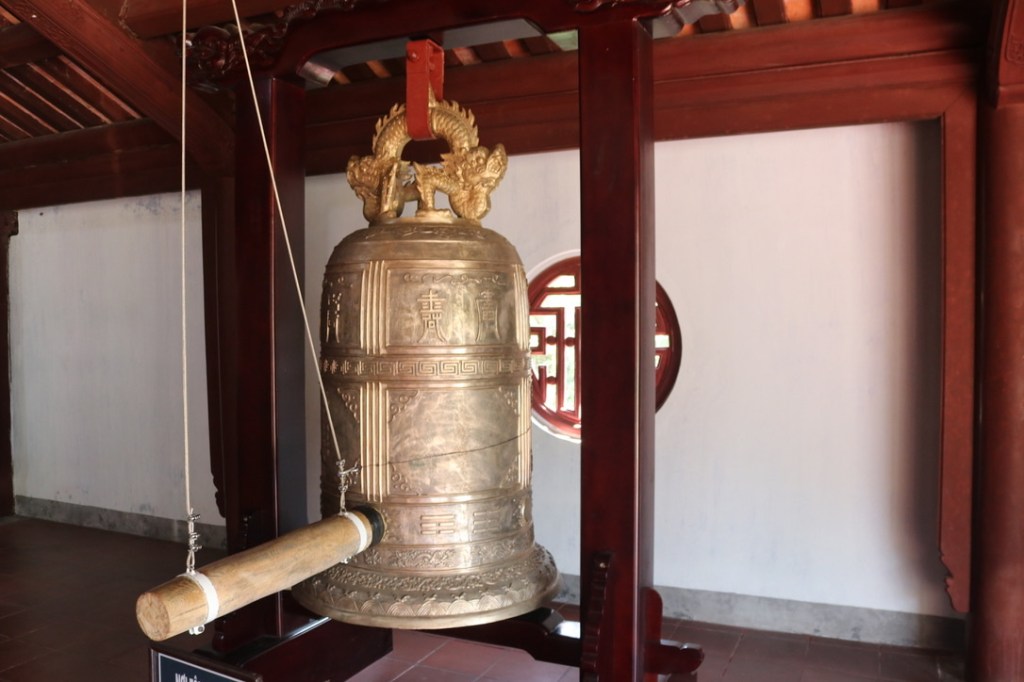
A nice late start at 0900 after a leisurely breakfast in the hotel. We both had a local speciality Bon Hue – I think – will check tomorrow morning! From the hotel we went to the Perfume River which was a 3 minute drive away and boarded one of the dragon boats – tourist boats – for a short trip up the Perfume River to the Thien Mu Pagoda. Although it was relatively early the temperature was beginning to rise as was the humidity. The river had a lovely background of the mountains at the head of the river. It was not spectacular but was enjoyable. There were a few steep steps up to the Pagoda. The story associated with the Pagoda is that an old woman appeared on the hill where it stands today. She told the villagers tat a lord would come and build a Buddhist temple for the country’s good fortune. Lord Nguyen Hong ordered its construction and named it after the old woman – Heavenly Fairy Lady Temple. Either side of the Pagoda is stele on the back of a huge turtle and on the other side a massive bronze bell. The turtle is one of the 4 revered animals – turtle, unicorn, dragon and phoenix. The Turtle represents long life. For those who have read Terry Practhets books you will recall that Disc World is held up by 4 elephants on the back of a large turtle that swims slowly through the universe. The gardens were beautiful inside the temple itself with the usual collection of amazing bonsai trees.
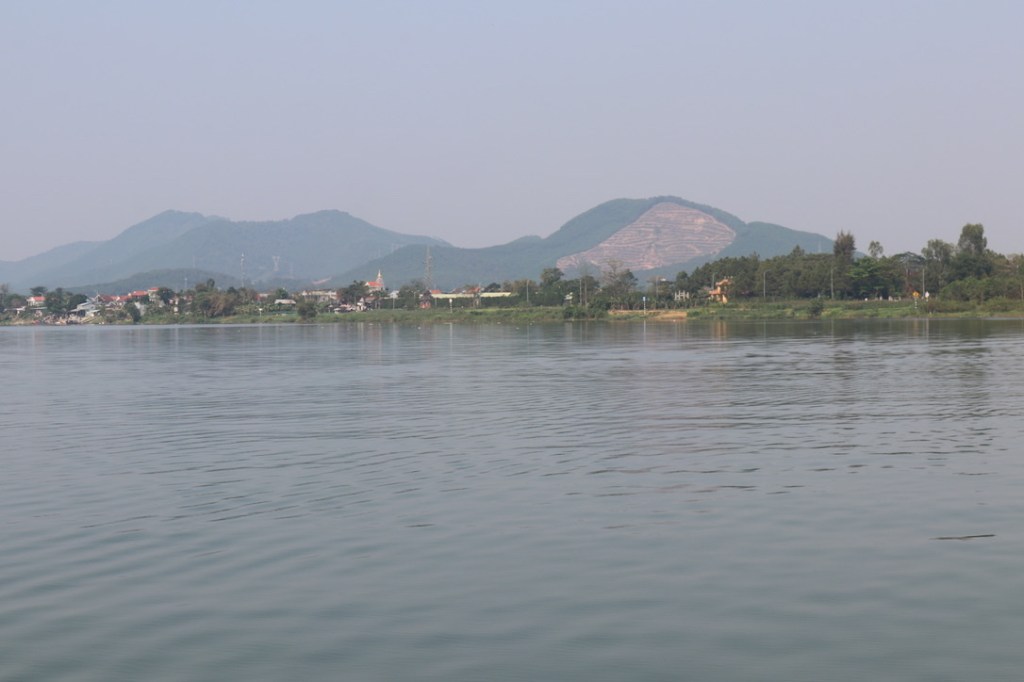
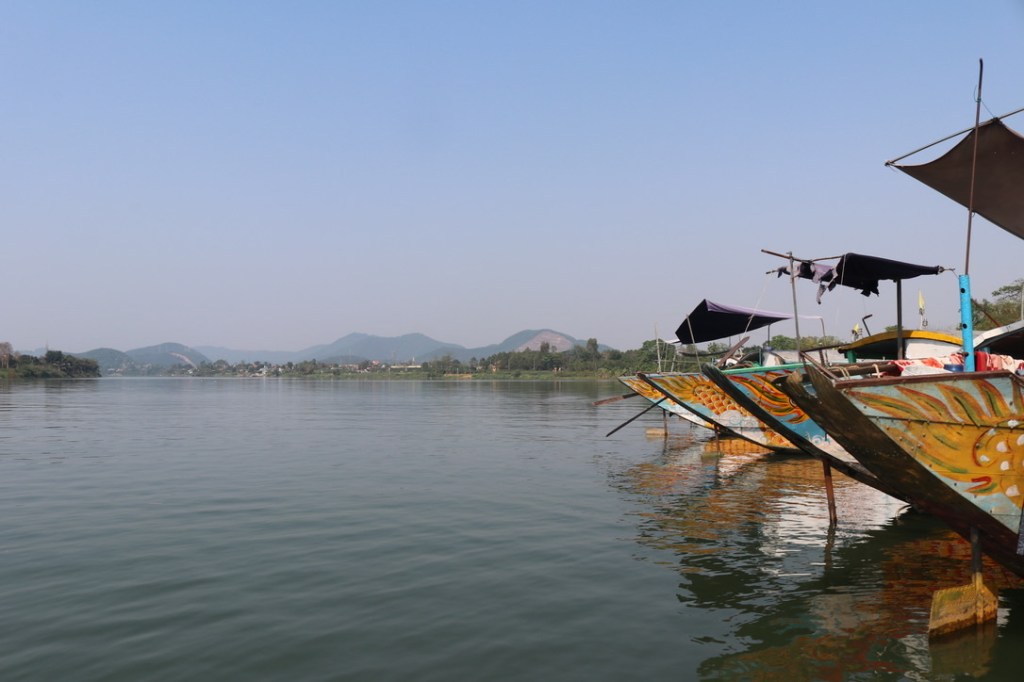


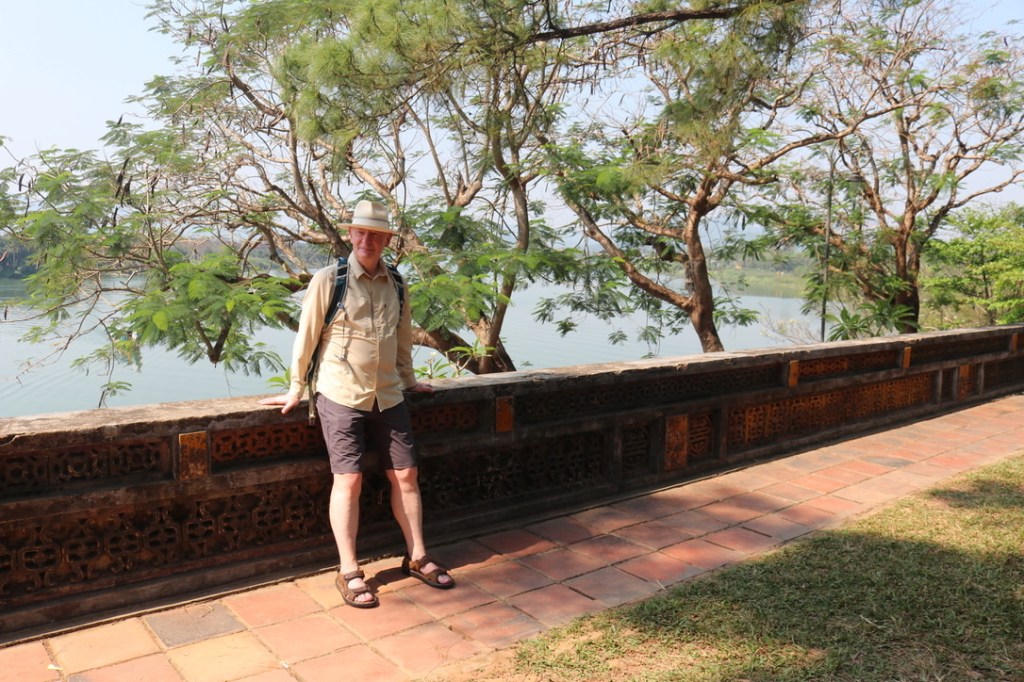
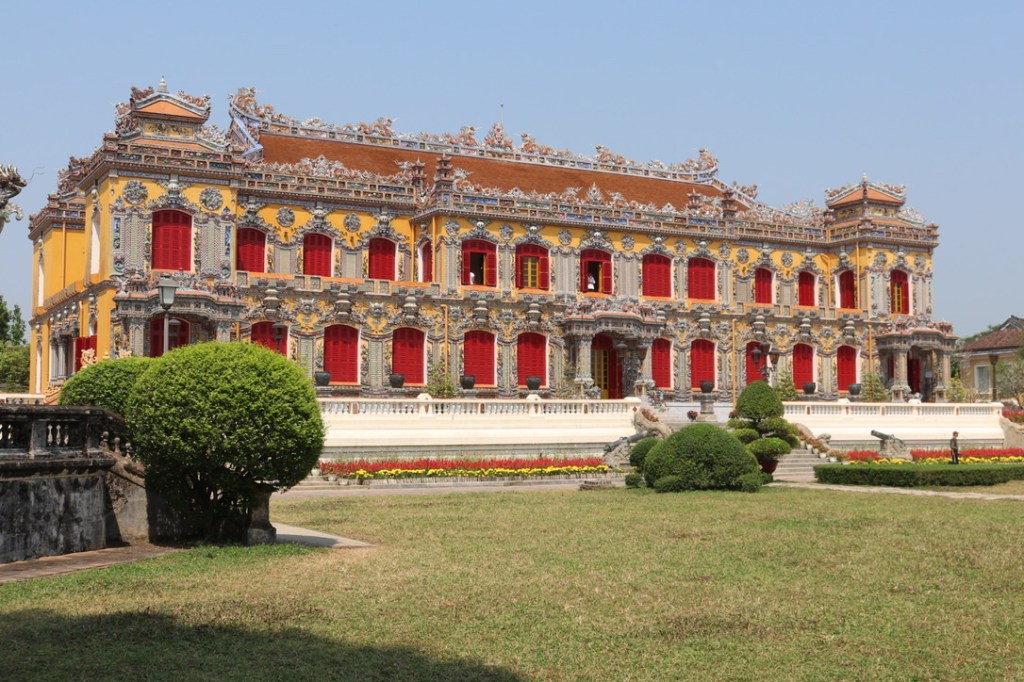
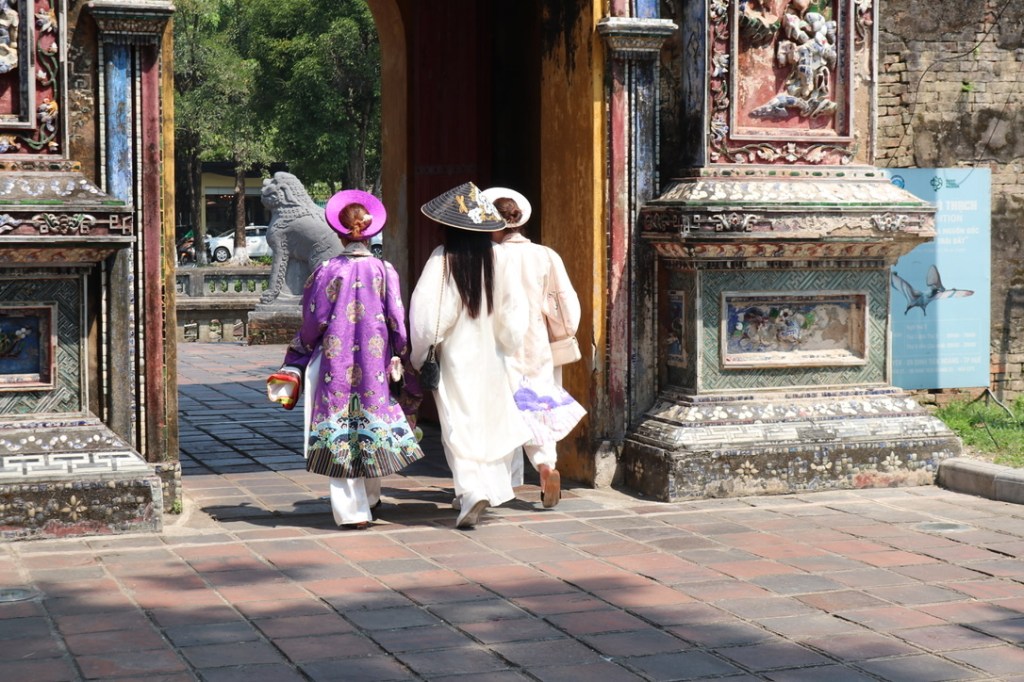
From here we took the bus to the Imperial Palace. A massive complex that is surrounded by a 10km wall. It was completely destroyed in the Tet Offensive of 1968. It was home to the dynasty that united Vietnam into a single country. There were 13 kings who reigned for varying amounts of time largely depending on their support of the French who colonised the country. The dynasty came to an end in 1945 after the last King who was a puppet of the Japanese abdicated. The government has put in a massive amount of work to restore the building which in effect are having to be built from new based on photographs and reports. The money comes from tourism and hence we are most welcomed! The palace itself looks magnificent and was only opened this New Year. A lot of people walking around and there seemed to be a bit of a tradition of the ladies wearing traditional court dress (concubine) including the special headdress which the guide Tuan called turbans.
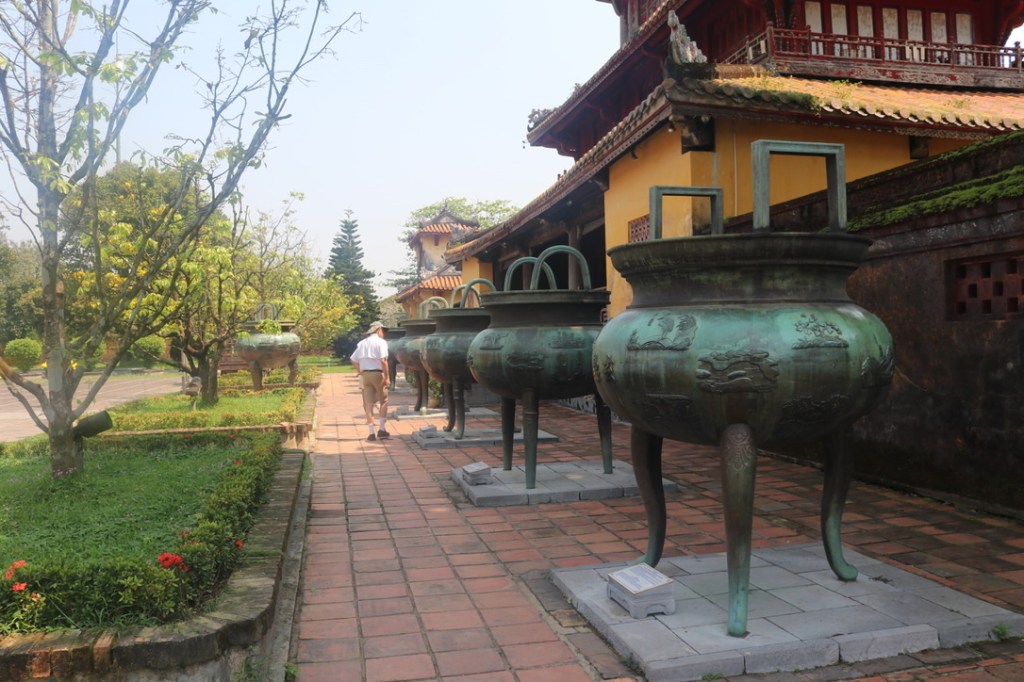
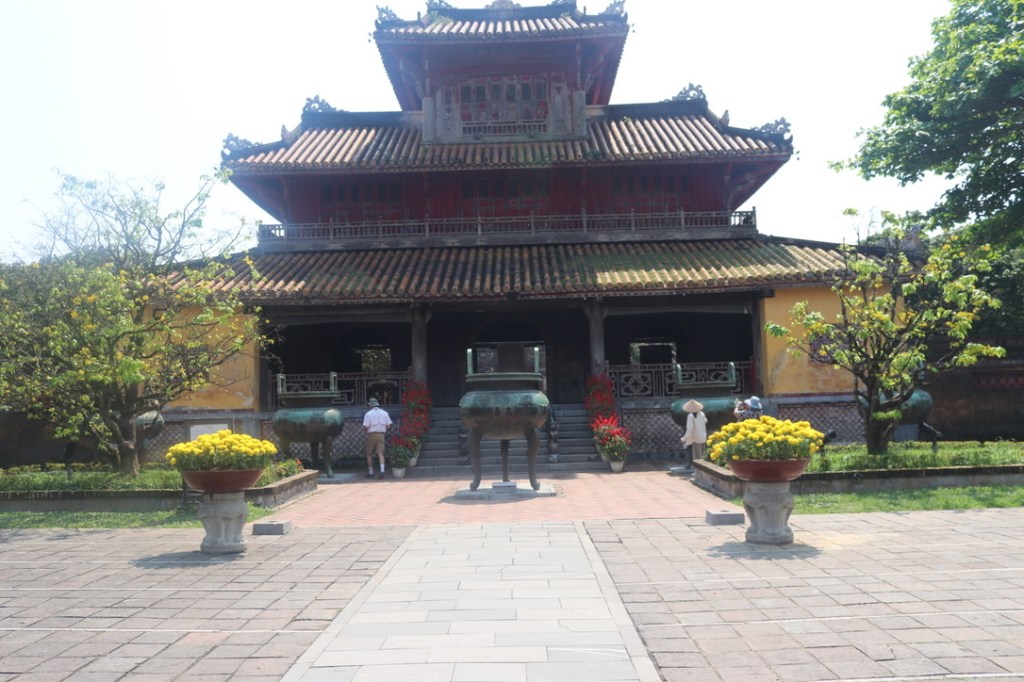
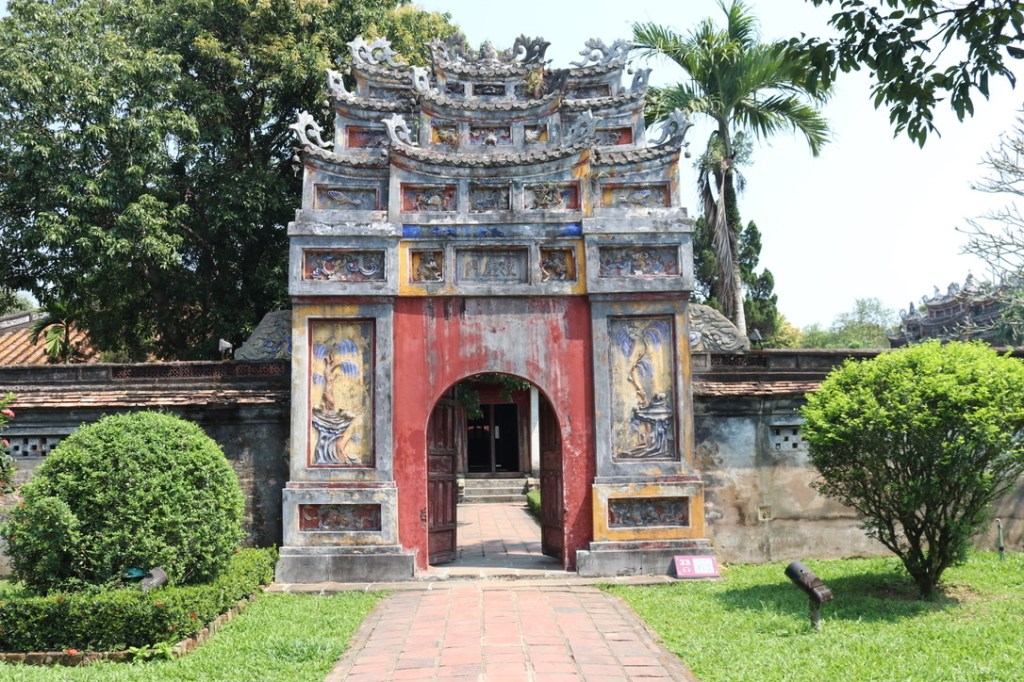
Once the King had resigned the North Vietnamese government gave the land away to the people but thankfully realised that unless they took some control over the site, everything would be destroyed or stolen. It is unclear how many people live inside the walls but it is clear that the Vietnamese government are offering ‘compensation’ to move them out and restore the grounds. We had lunch as one of the restaurants inside the wall. Very nice, with only tourists eating there. Huge amounts of food as it is considered poor hospitality if there is no food left on the table after the meal.
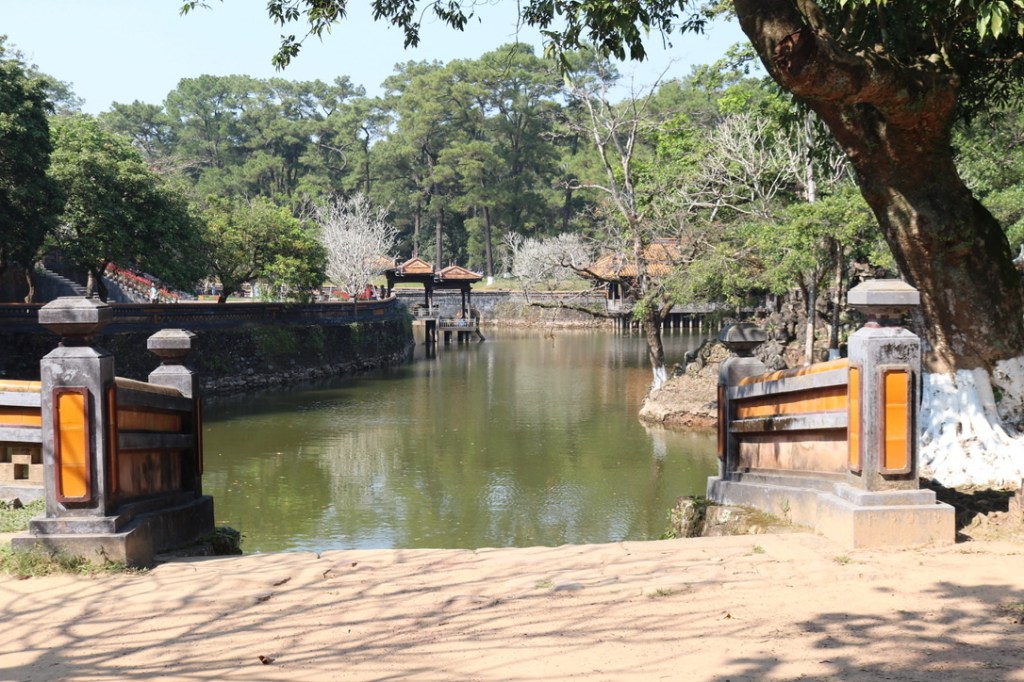
In the afternoon we were feeling a little weary from the heat and humidity but made it to Tu Doc tomb. He was the 4th Emperor and designed and built his own tomb. It is set in a magnificent set of grounds. Near the tomb is a large stone stele that took 4 years to bring from the north and is inscribed with the King’s own words. He stated that he had 3 problems – he was a second son as the previous King would not agree to his first sone being King, as a result of an illness he was unable to produce children and lastly he was unable to protect the people as he reigned when the French colonised the country. He was the longest reigning King and seems to have been very popular despite his self criticism. One cannot fault him for trying – his concubine was 103 wives. Tuan mentioned that the King’s body is not in the tomb. It was a tradition that their actual burial place was secret and the men who carried him to the final resting place killed themselves as an act of self sacrifice. The secrecy was required as when the King was buried his tomb contained many valuable to help him in the next life.
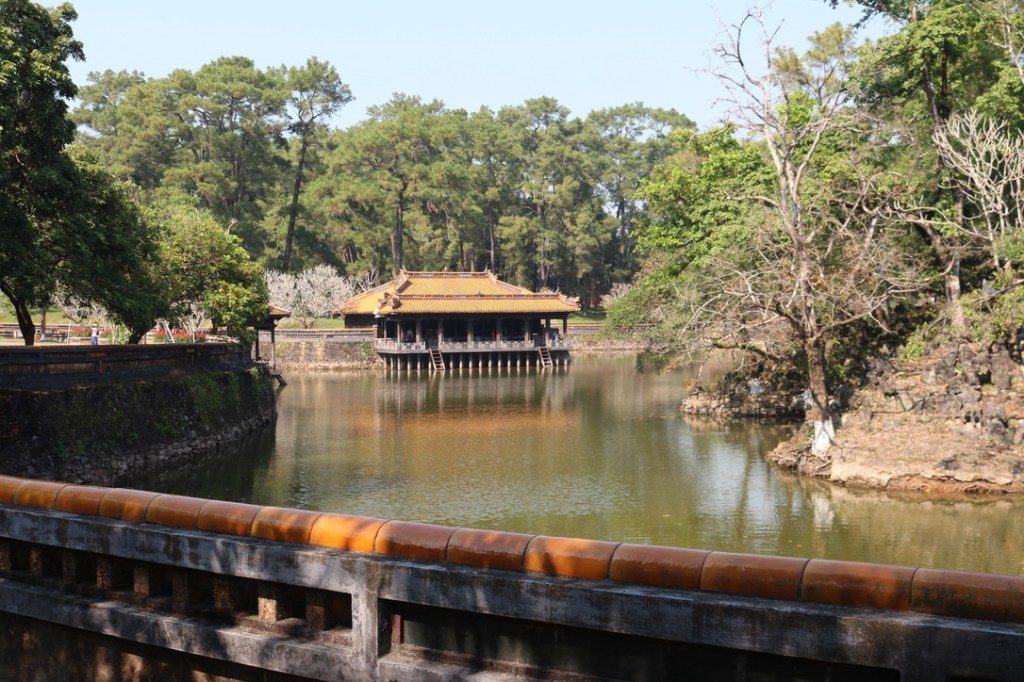
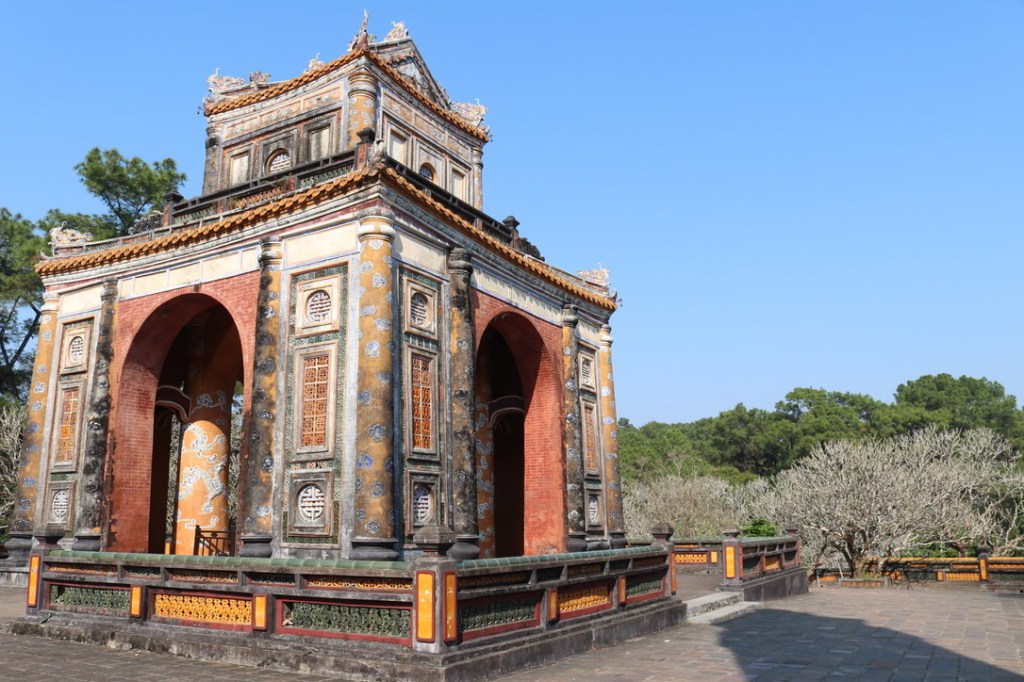
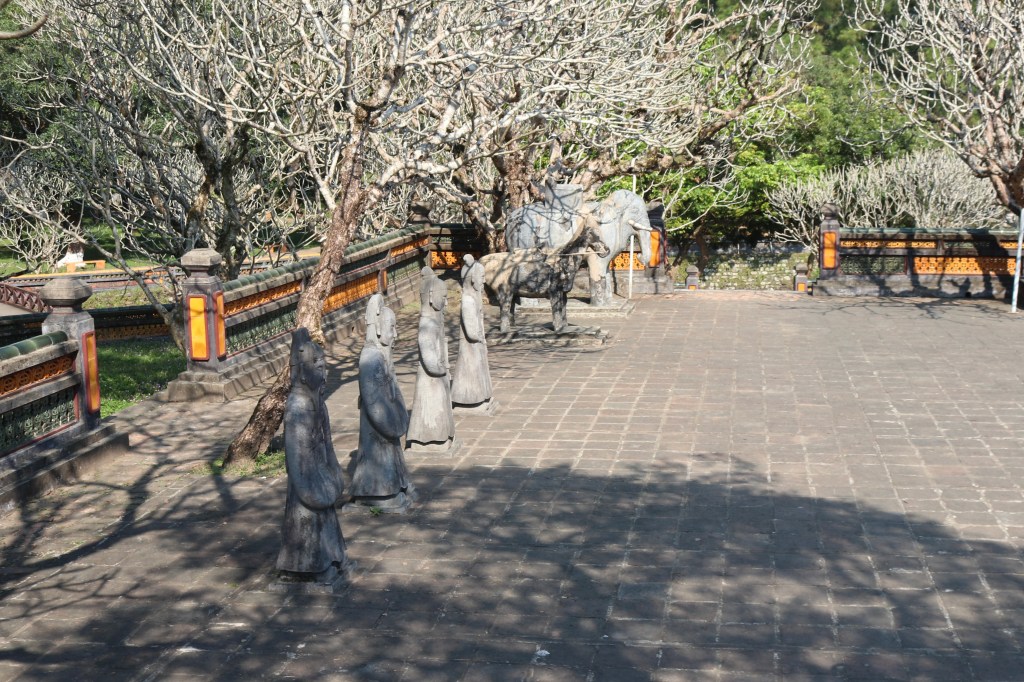
22nd February – Hoi – Lap An Lagoon – Din Deo Hai Van – Danang – Marble Mountain – Hoi An Old Town – Victoria Hotel and Resort
The fullest day yet. We left Hoi at around 0830 after breakfast. We went south and followed the coast road past a large lagoon to our first stop at Lap An Lagoon. Most of the way we had the Saigon-Hanoi Railway on our right hand side. The lagoon was in a lovely setting with the mountains in the background. It was a popular coach stop and was busy – but efficiently managed. With us were Neil, Kirsty (Canada), Jennifer (UK) and Fran (NZ). We both Vietnamese Salted Coffee. An iced coffee drink with caramel, salt and condensed milk. It is as sweet as it sounds! Back on the bus we then started to make our way over the mountain before dropping down into Danang. The mountain road was lovely – whilst not thick jungle it was certainly green with trees either side of us. The cloud base was low and so by the time we got to the top it was impossible to see anything. A stop had been planned here but we decided to give it a miss as we would have just been standing around in cold damp air with nothing to see!
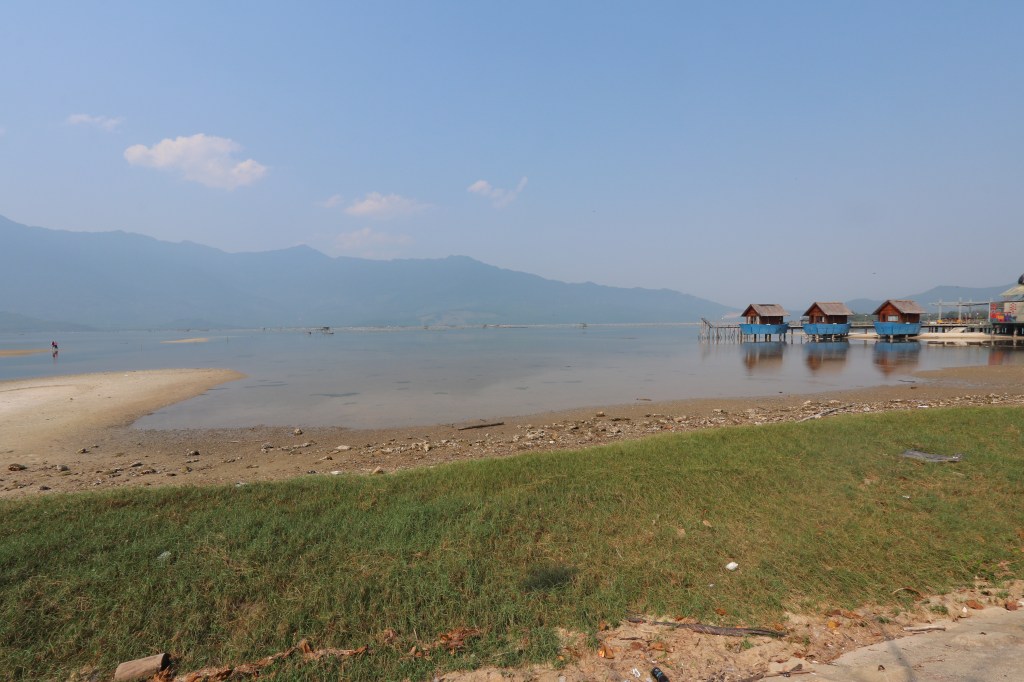
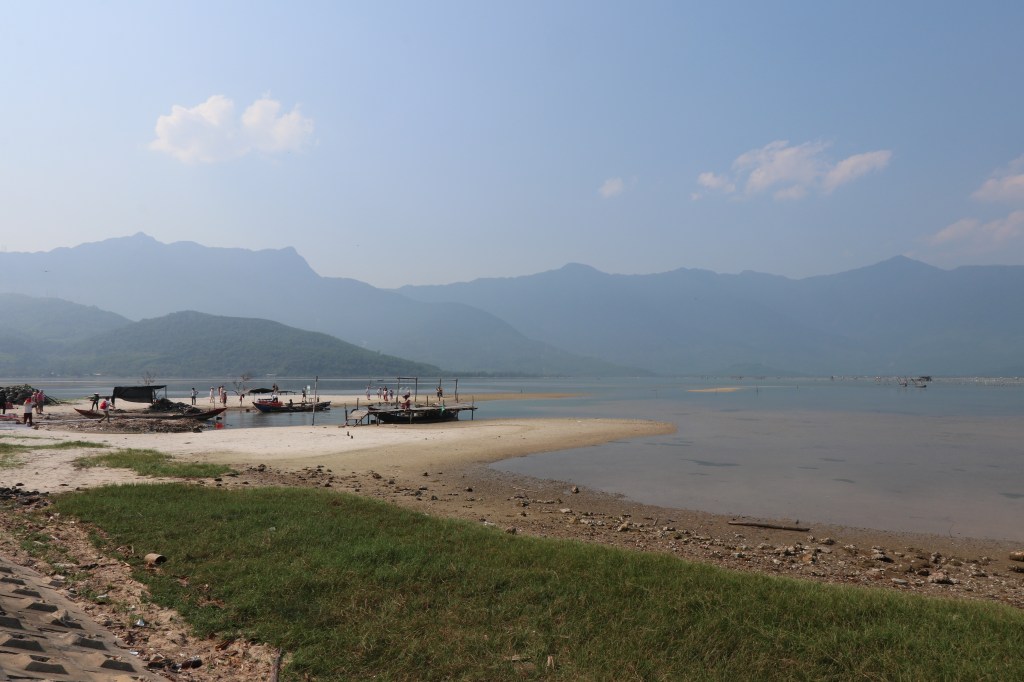
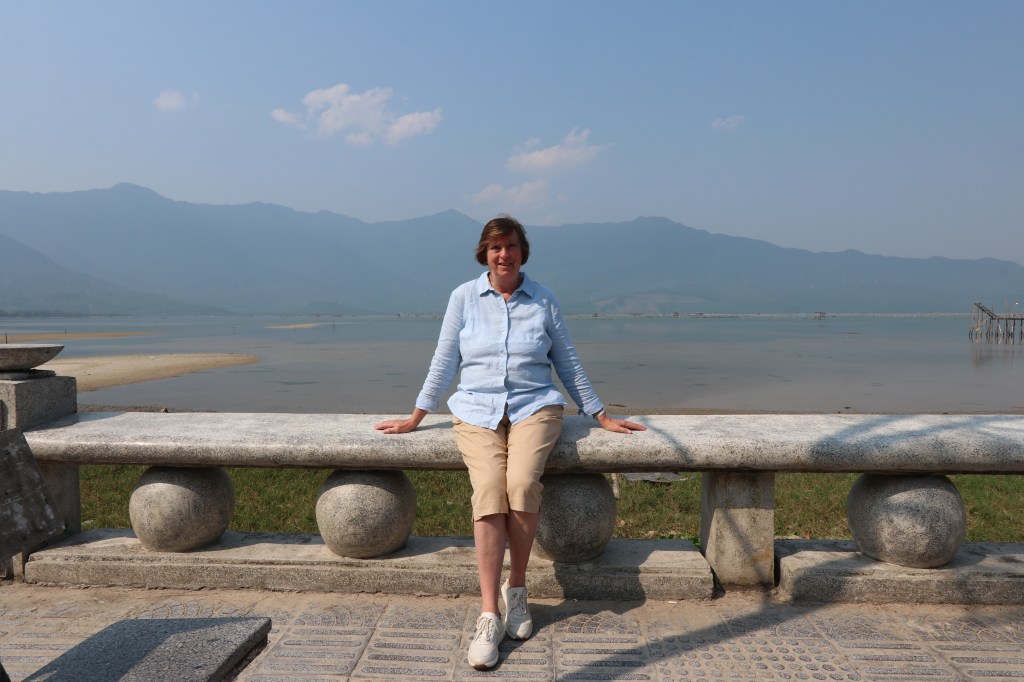
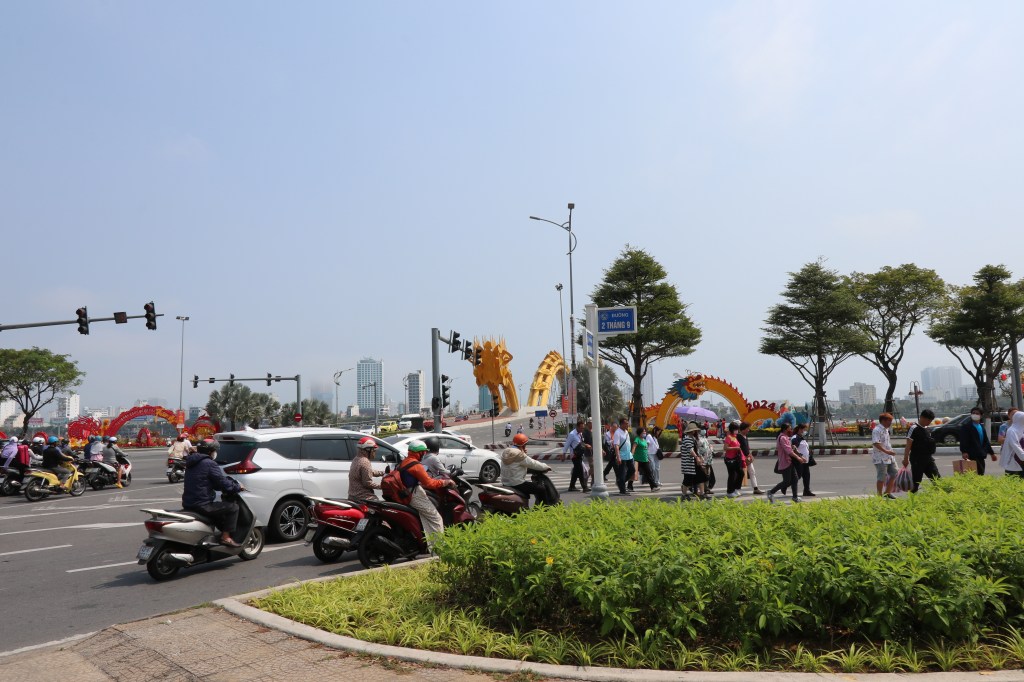
As we dropped down into Danang we went by the large petroleum storage facility that had been build by the US and now used by the Vietnamese. Danang was a major US base during the 2nd Indochina war. By the Dragon Bridge we looked around the Cham museum. The Dragon Bridge has both the metal suspension in the shape of a dragon and on some nights they turn on the water and it flows from the dragons mouth.
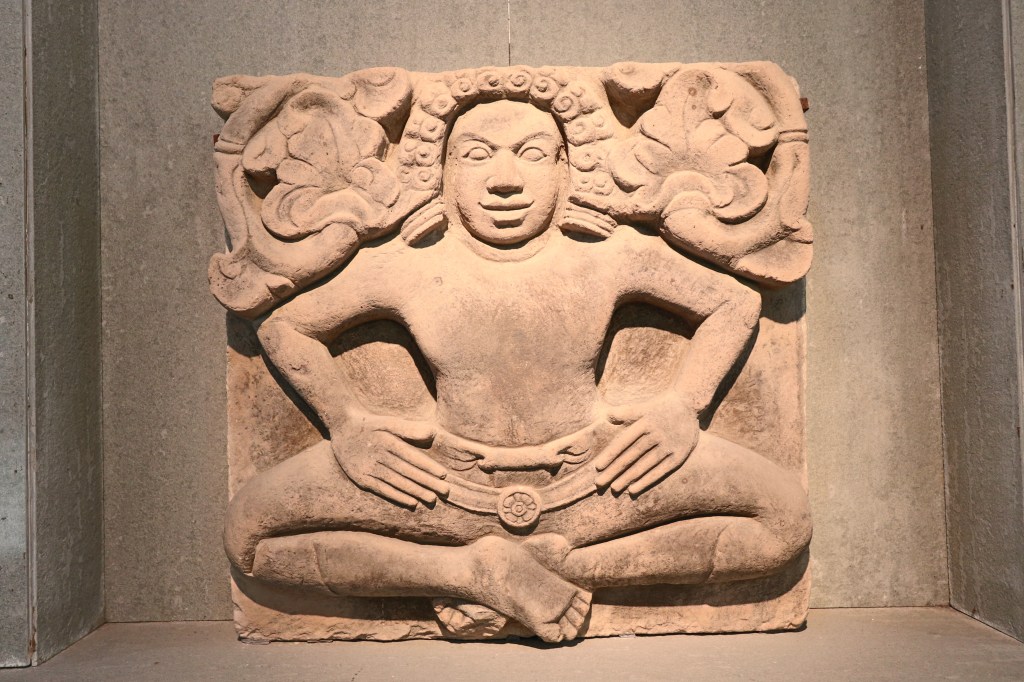
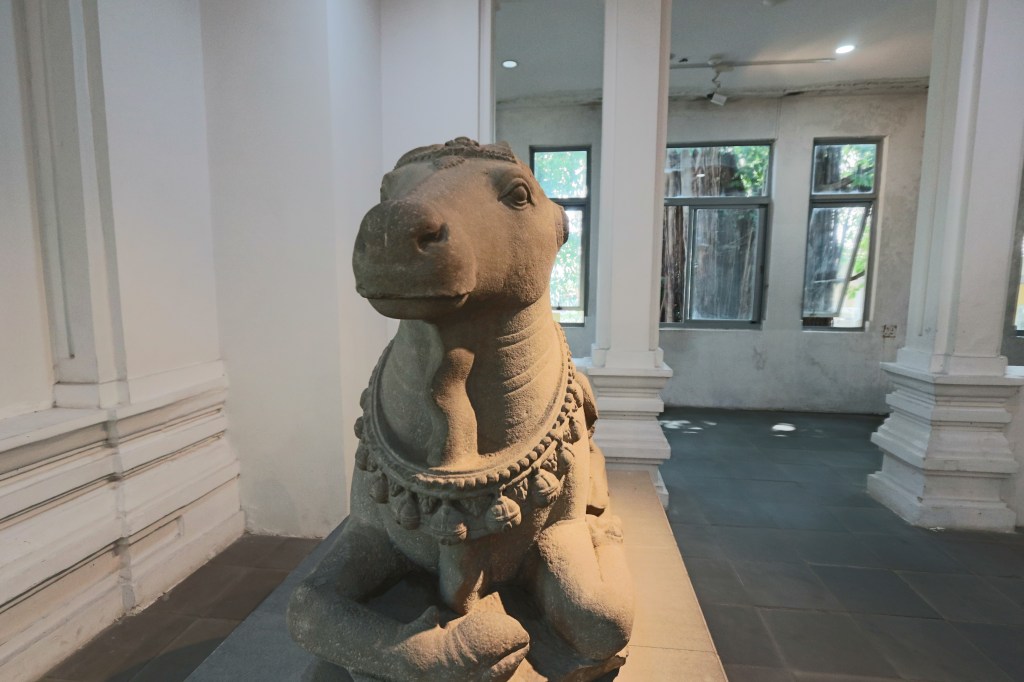
The Cham museum was a revelation. It was set up by the French and at first we thought it was looted items from ancient sites. But we were completely wrong. The French had stumped upon a forgotten and abandoned civilisation in the jungle. Huge temp sites and areas where the Cham people had lived from around 4th to 8th C. As they migrated further south these sites were abandoned and taken over by the jungle. It was by chance that they were discovered and the French went to great lengths to preserve. They were originally Chinese and came to this area after the breakup of the Han dynasty in around 2nd century. They followed the Hindu religion. Some of the sites are now accessible and it we would love to find the time to visit them.

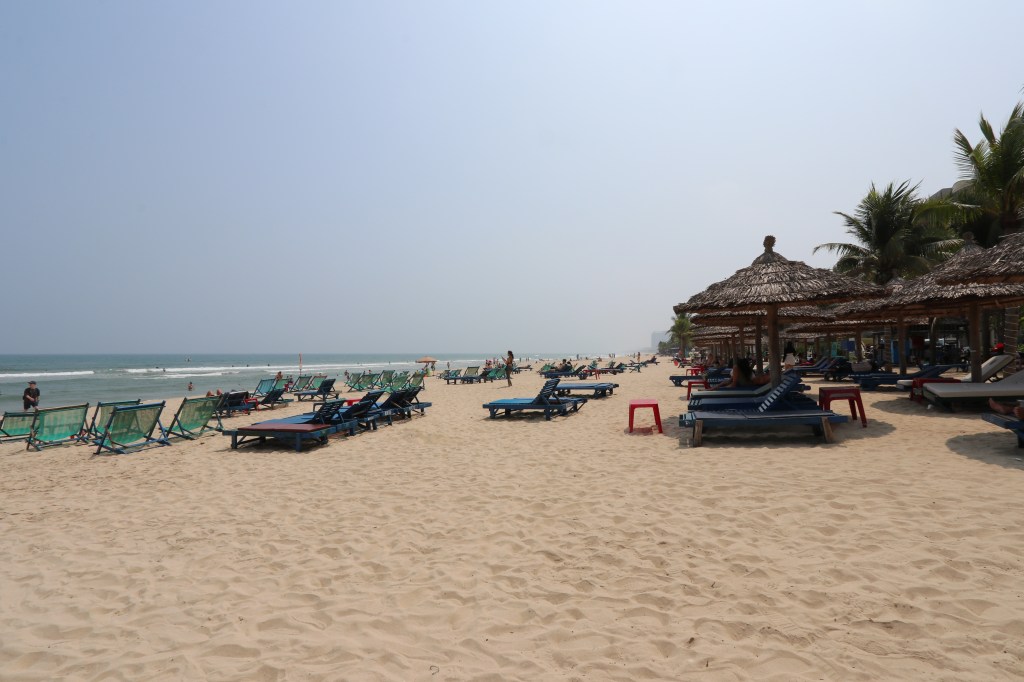
From the museum we continued along the coast road towards Marble Mountain. It was dispiriting. The worst of all planning and surprising for a communist country. The entire beach road – mile after mile after mile – were large hotels which were not even pretty to look at. The had not only stolen the land but also the beaches which were now private. It appears they are mostly S Korean and Chinese. Danang is a favourite destination for Koreans and they were everywhere. There was nothing local or cultural about Danang. Not a place to which we would return.
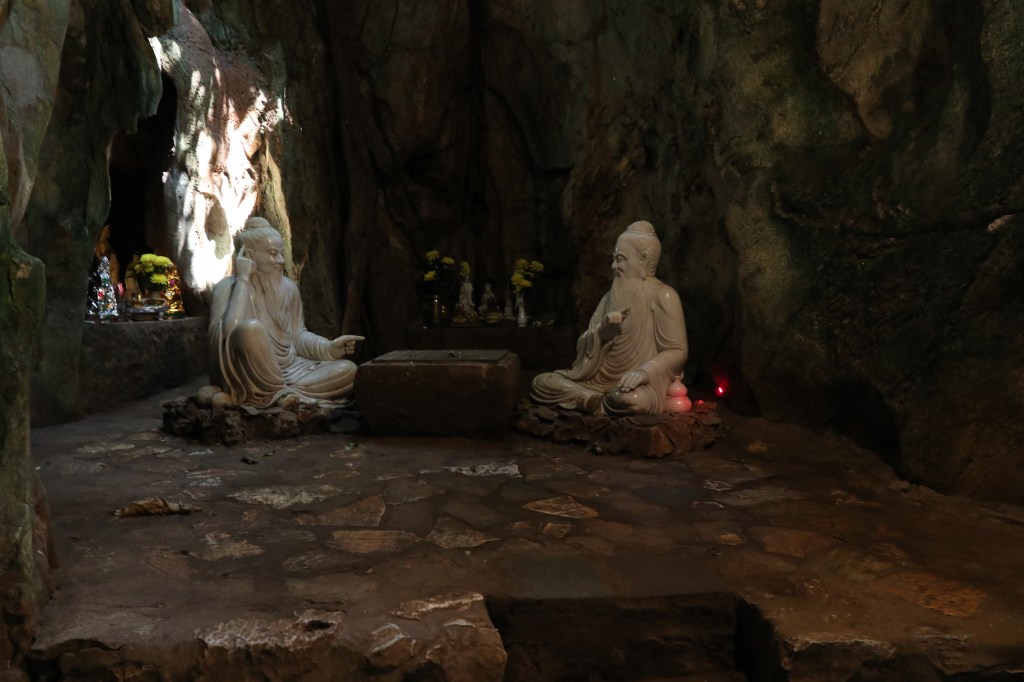
Similarly with Marble Mountain. We visited a marble workshop/shop. The marble was bot very expensive and huge – ornaments, garden furniture, fountains. We were followed around as they encouraged us to buy and they could export anywhere in the world. e left as soon as we were able without being rude and took a trip up the elevator to marble mountain. There were a number of pagodas to look around built within the mountains and although it sounds lovely it did not feel due to the huge number of people (Korean) and tours. The view to the coastline from the shrines had been blocked by monstrous hotels that had been built.
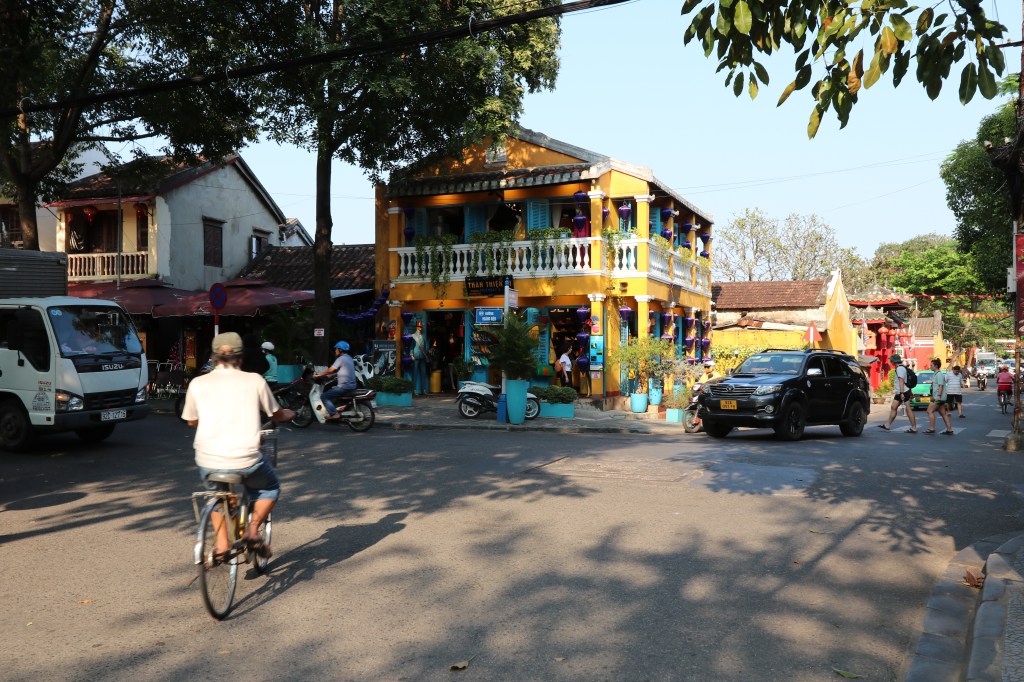
From Marble Mountain we travelled to Hoi An already feeling exhausted. We had superb lunch at the Dao Tien River Restaurant. It was not crowded and outside of the hustle and bustle of the old town. I had a beautiful sea bass with noodles. After lunch we walked across the road to the a tailors shop. I ordered 5 shirts and Gillian a silk style Vietnamese jacket.
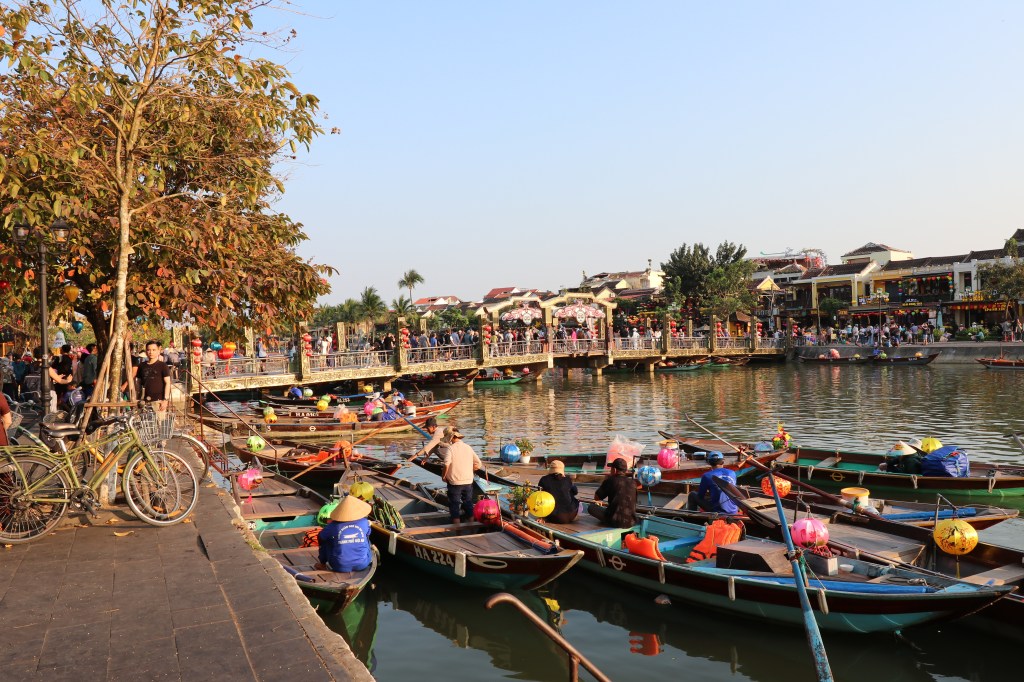
We thought we were now coming to the end of the day but we still had the tour of the old town to complete – street market, two temples, Heritage House and riverside. We also stopped where there was an old bridge between the Chinese and Japanese part of the old town. It was under restoration and the guide – Tuan – was not confident it would be done well! It was beautiful and there was a lot of Chinese influence – but we were here in the high season.
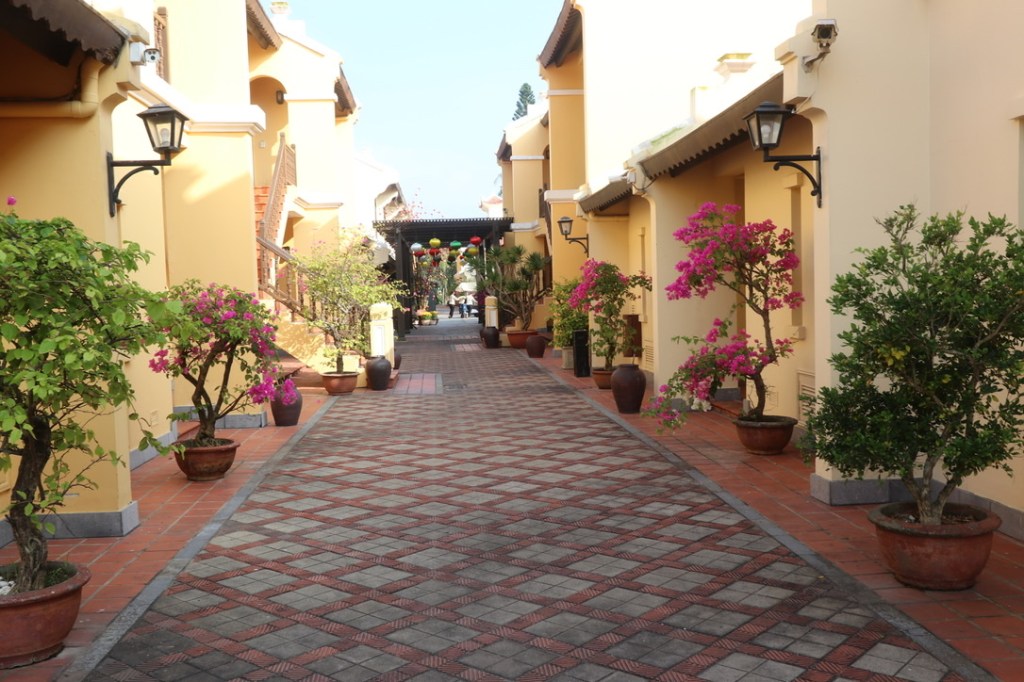
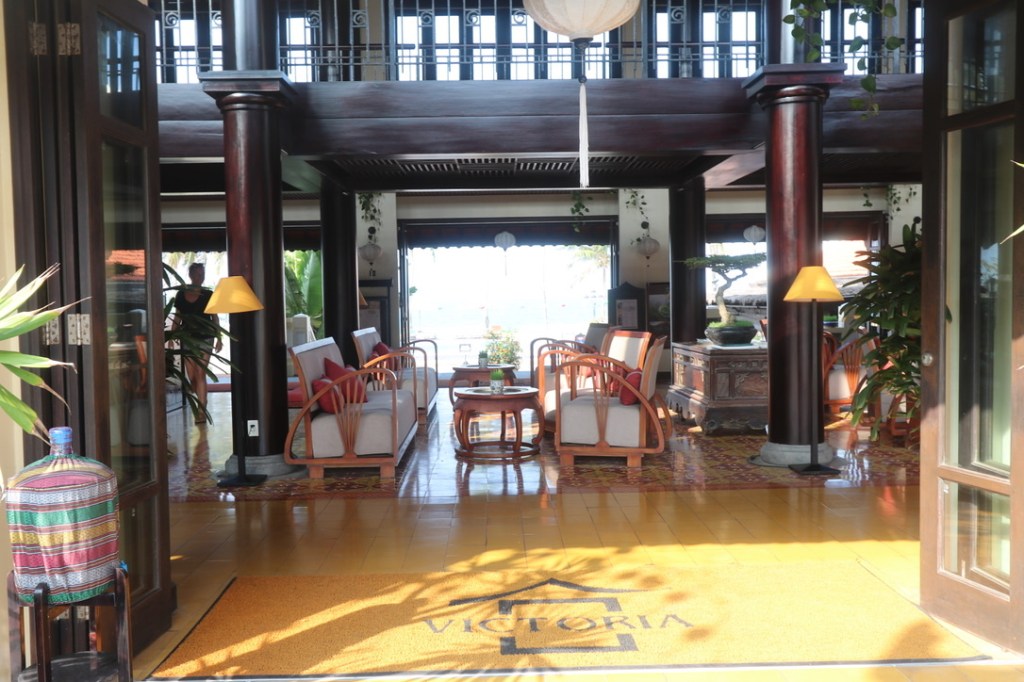
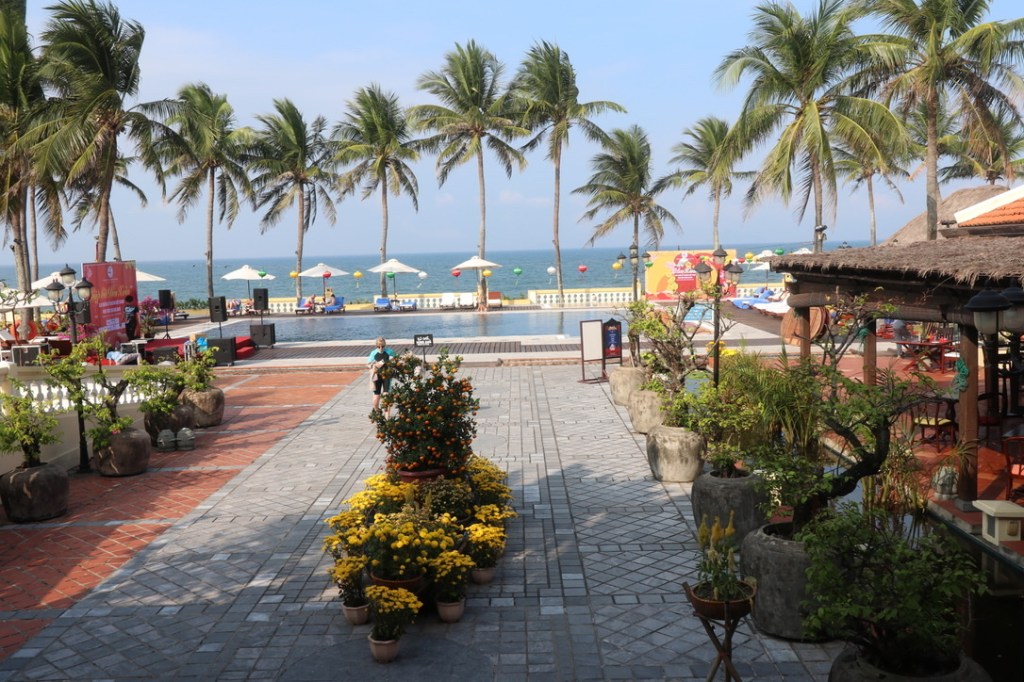
At last we got to our hotel – completely drained. Gillian was beginning to loose her sense of humour but just managed to keep it in check! But wow – the hotel was stunning. All of us said if we had known it was going to be life this we would have booked another night. The room was huge and airy. There were a number of eating areas and we sat down at a bar near the beach and had drinks and an evening meal whilst listening to couple play music and dance. They were non stop and what a playlist – ideally suited to the clientele at this resort.
23rd February – Hoi An – Taylor – Red Bridge Cooking School
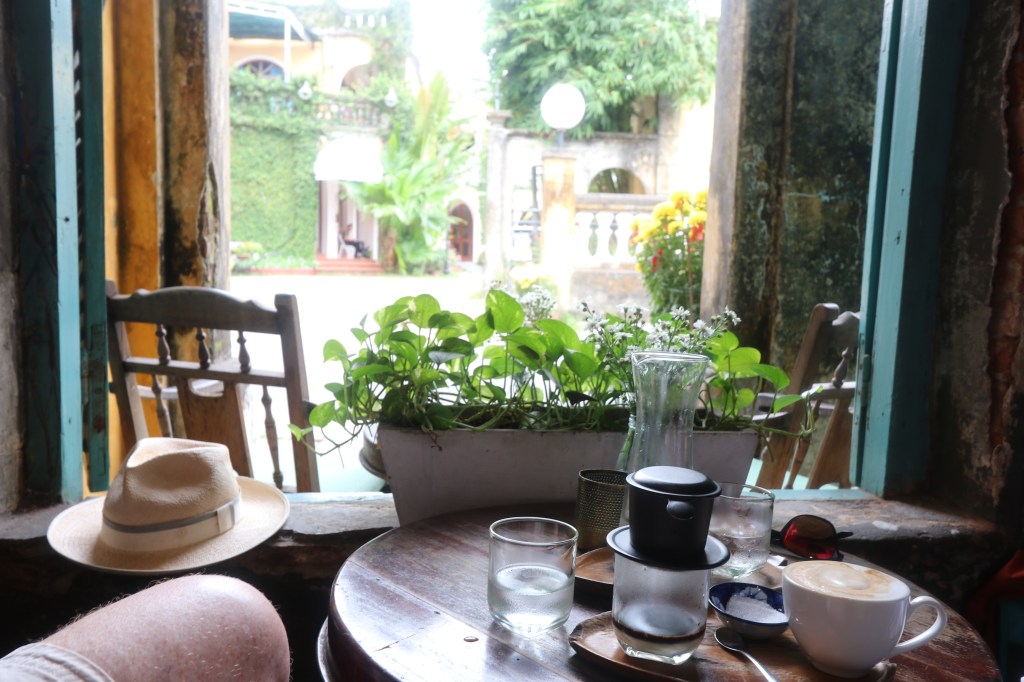
Our last full day in Vietnam. An easy start and for once not too early. We took a taxi to Yaly the tailor for a fitting at 10am. We arrived early and sat in a coffee shop opposite for 30 minutes. I had a drip drip coffee with condensed milk. A lovely place to while away a little time.
Ruby our ‘tailor’ welcomed us and had the shirts ready for a first fitting as well as Gillian’s mandarin silk jacket. Both needed some minor adjustments but not too many.
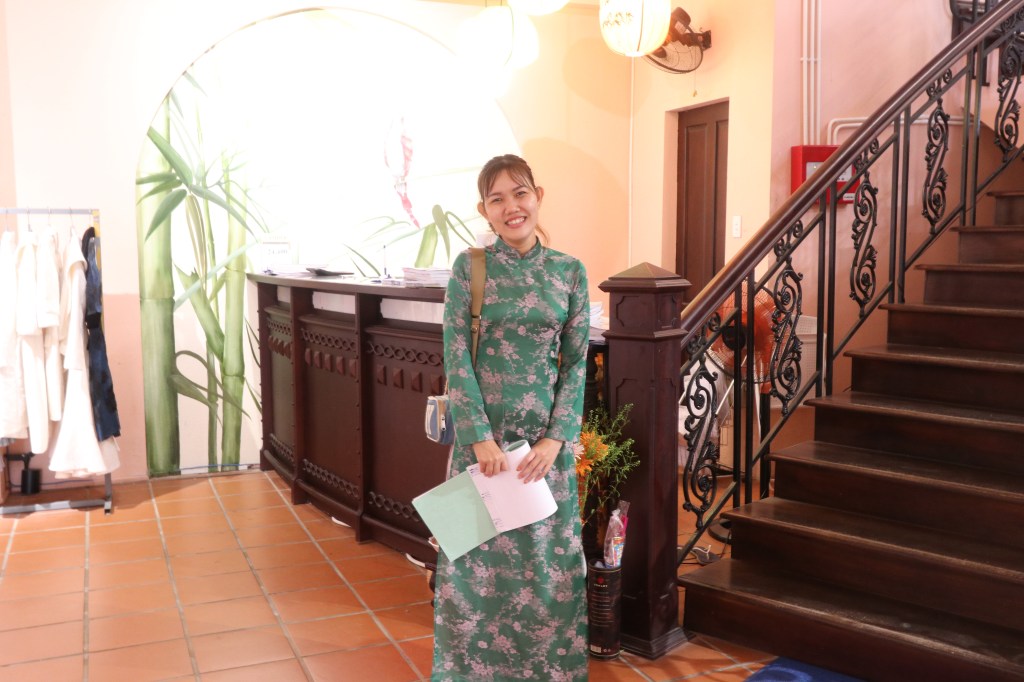
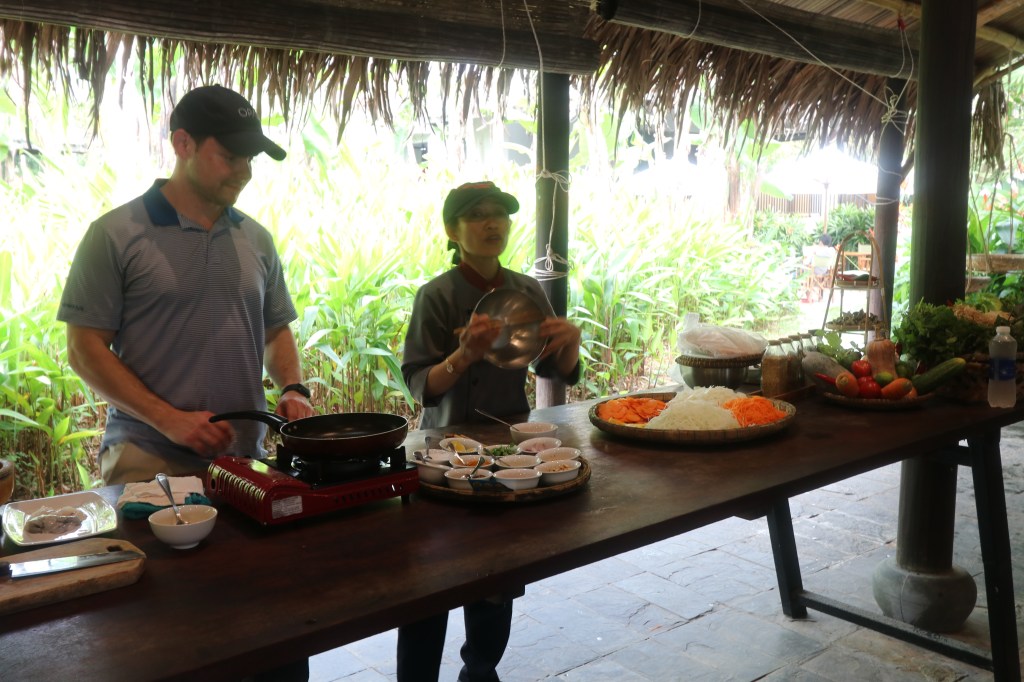
It was then off to the Red Bridge Cooking School which had been recommended to us by a friend who now lives in Singapore. We were feeling a little weary from yesterday and were in receive mode only rather than transmit. Chin our guide – would have made an excellent Sergeant Major(!) – took us around the indoor market pointing out herbs, meat and fish. If you were not listening she was not slow in telling you to listen. Not sure that I appreciated her tapping my stomach and saying good Buddha! After the market we caught a boat up the river to the cooking school itself. Here we made crispy pancakes, spring roles which included making the noodles and a chicken dish with herbs in a clay pot. All of this was taken to the dining room and we ate that which we cooked for lunch. It was a pleasant day but the effects of full on travelling had taken its toll and we were ready to come back to the hotel for a restful late afternoon.
In the evening we caught a taxi into town. It was a lunar night and downtown had all of the lanterns out on the streets. We stopped and had a iced caramel coffee in one of the shops and as we wandered back to find a taxi we bought two sausages on a stick – not sure what they are called. I had mine dipped in chilli – a lovely light evening snack. We were aware that that night the hotel was hosting a dinner for the managers of all the other hotels – a sort of New Year business celebration. The Vietnamese seem to love karaoke. Many got on the stage to strut their stuff whilst others posed for photos. We sad and supped a carafe of wine as n exorbitant price – but after our spending spree at the tailor’s it felt quite cheap!
24th February – Travel to Singapore – Clan Hotel Cross Street
We left the hotel at 0915 having got up shortly before this. We were now becoming experts at packing within a narrow window and maximising sleep! We skipped breakfast at the hotel which to be honest was very disappointing and caught a cab with a very nice driver who gave a running commentary to the airport. The airport was straightforward although it was starting to become a bit of an annoyance carrying the conical hats everywhere. Having arrived earlyish we grabbed a drink and sat down to wait for the flight. It was then that we discovered it was going to be 1hr 15mins late. So a short stay at the airport became a long one! We had some food on arrival – which was a little mediocre but found a much nicer place for a late lunch where we met the Kirsty and Neil. They had a more dramatic exit from Vietnam. Going through Passport Control, Kirsty was pulled aside and taken to a small room to be told her visa had expired by 1 day. Whilst clearly untrue the thought of doing battle with Vietnamese police was not exactly enticing. However there was a n easy solution to the problem! $50………in cash. Having been escorted by the police to an ATM – the problem quickly went away!
We eventually arrived at the Clan Hotel at 2130ish having been picked up from Changi airport by limousine. The hotel was on the edge of China Town – a tall – 30 storey – building – brand new. It promised to be great but was a bit strange. Rooms were quite small with the washbasin in the main room not the bathroom. No lounge downstairs or anywhere to drink. But it proved to be a great location.
25th February – China Town – Little India – Arab Quarter – Dempsey Barracks
We had opted for a 1000hrs start for what was advertised ads a 5hr walk. We were not quite sure how we would cope with this in the heat and humidity. Michelle was our guide who met us at the hotel. She had been in the health sector but after Covid felt she needed a change. Her focus was on the cultural side of Singapore and its history. Opposite the hotel was the China Town – an area that had been given to the Chinese Clans when Singapore was being created as a major trading city. It was on the edge of the Central Business District – renovated houses towered over by the major banks. One of the main streets was Talok Ayer Street which would have originally been on the water front with new arrivals coming straight from the boat into lodgings and supply shops. Thian Hock Keng Temple has a prominent position on the street where arrivals gave thanks for safe passage as well as those about to leave on long journeys.
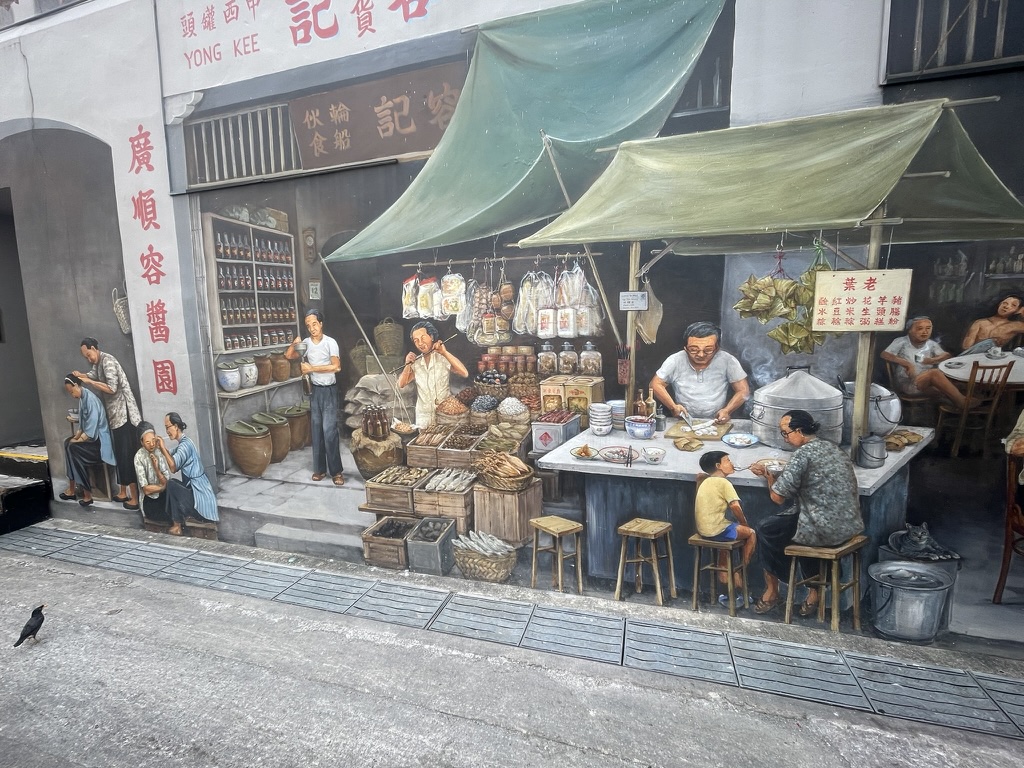
In all of the areas we visited there were stunning wall paintings that depicted life in Singapore – all telling a story.
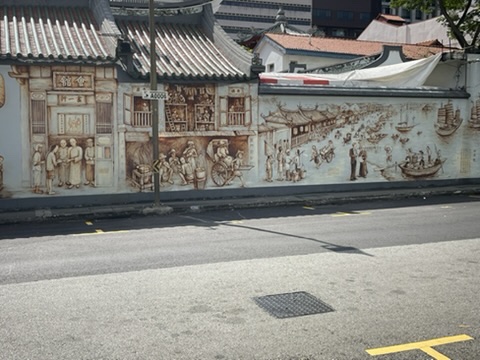
We walked over An Siang Hill – notable for the fact it is one of the few left that was not levelled to fill in the river basin for reclaimed land. Many of the Chinese houses are rebuilt/replicas as a result of the Japanese occupation on 1942. At that time Japan was also at war with China and were particularly cruel and destructive towards the Chinese. There was a further part to China Town where we visited the ‘wet market’ and bought a ‘mooncake’. A Chinese with an egg yoke in the middle. They are quite ‘heavy’ and sweet. You generally eat them in slices rather than biting into it and consuming whole. The Mooncake festival is around autumn. It is intricately linked to legends of Chang’e, the mythical Moon Goddess of Immortality. According to the Liji, an ancient Chinese book recording customs and ceremonies, the Chinese Emperor should offer sacrifices to the Sun in spring and the Moon in autumn. The 15th day of the 8th lunar month is the day called “Mid-Autumn”. The night on the 15th of the 8th lunar month is also called “Night of the Moon”.
Outside one of the coffee shops Michelle introduced us to Singlish – a sort of pigeon english which is commonly used – and most understand.
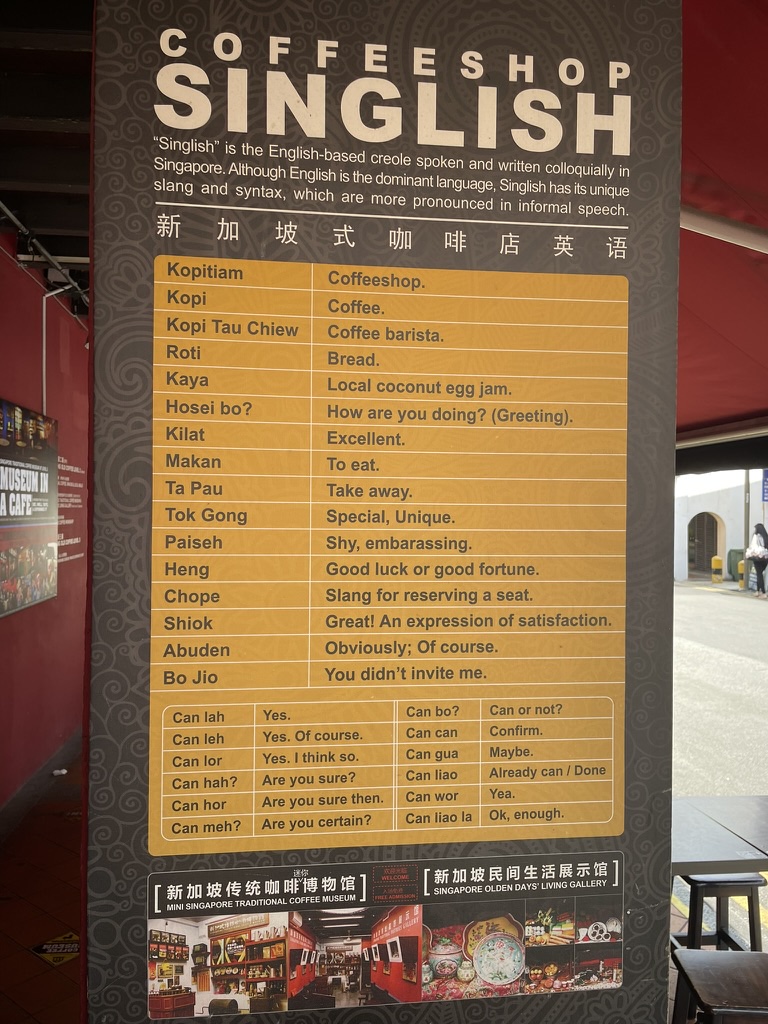
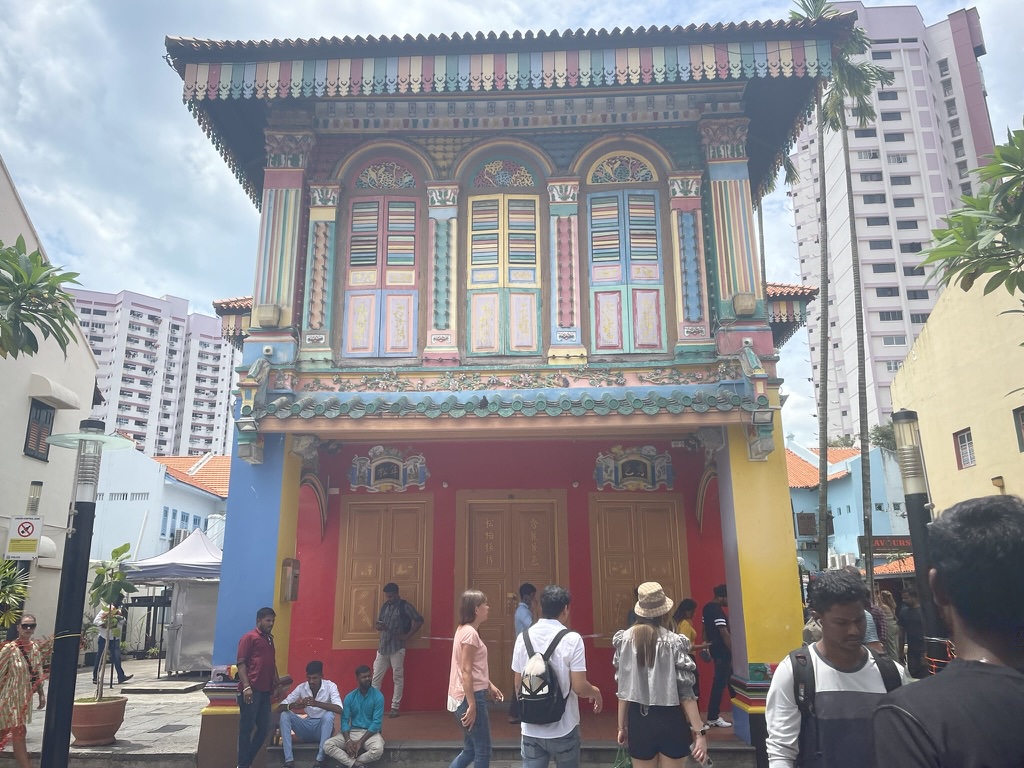
From China Town we caught the subway to Little India. The subway as you would expect was immaculate and well run! Little India was absolutely buzzing. It was a Sunday and all of the migrant workers had come into this part of the city to meet, gossip, shop and share meals. There were many small stalls selling Indian ingredients and fresh food. We were feeling particularly hot and Michelle suggested a sugar cane drink as a refreshment – it was squeezed out of the cane as we stood by the stall. We visited the Sri Veeramakaliamman Hindu Temple. This was stunning.

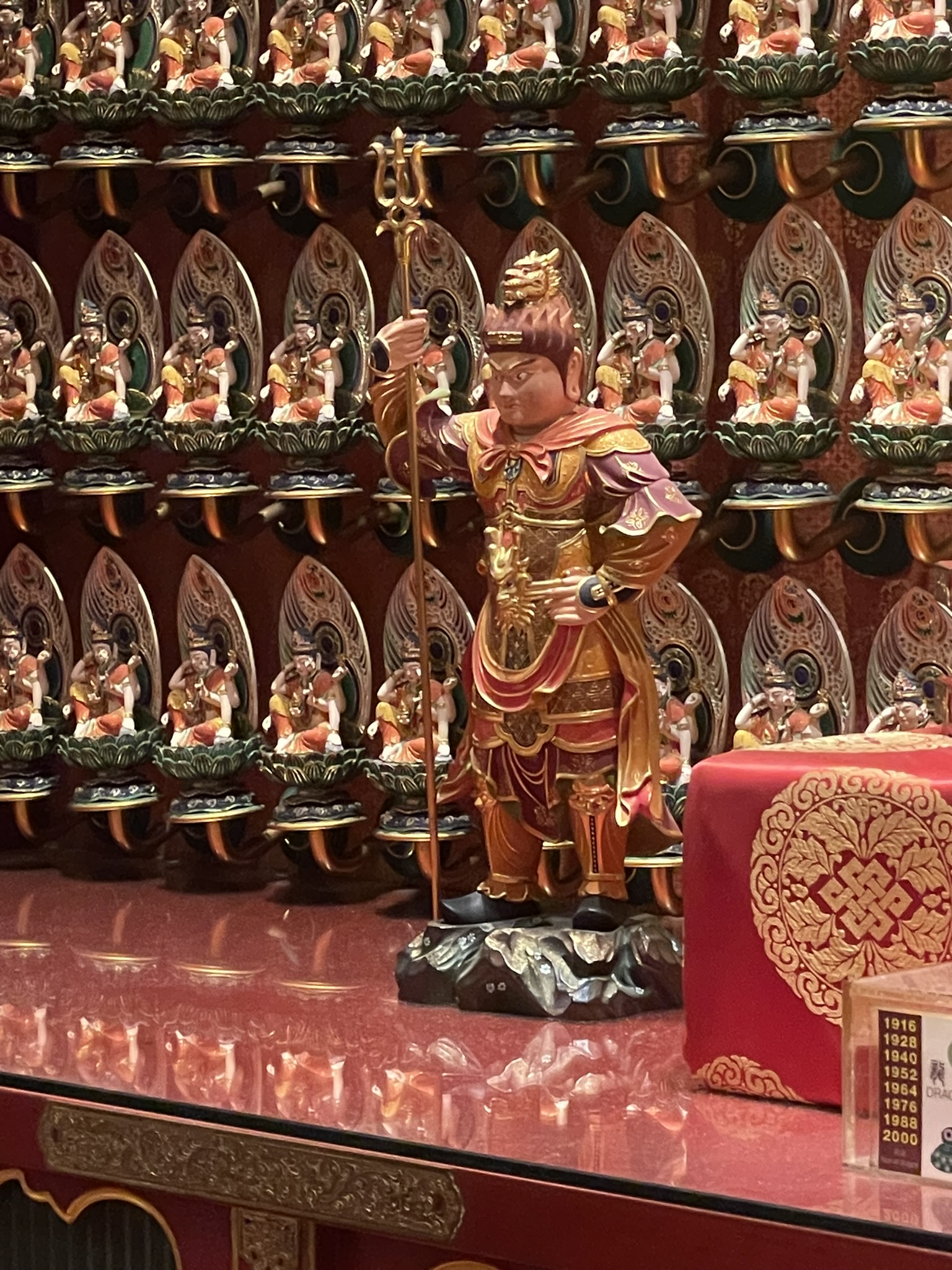
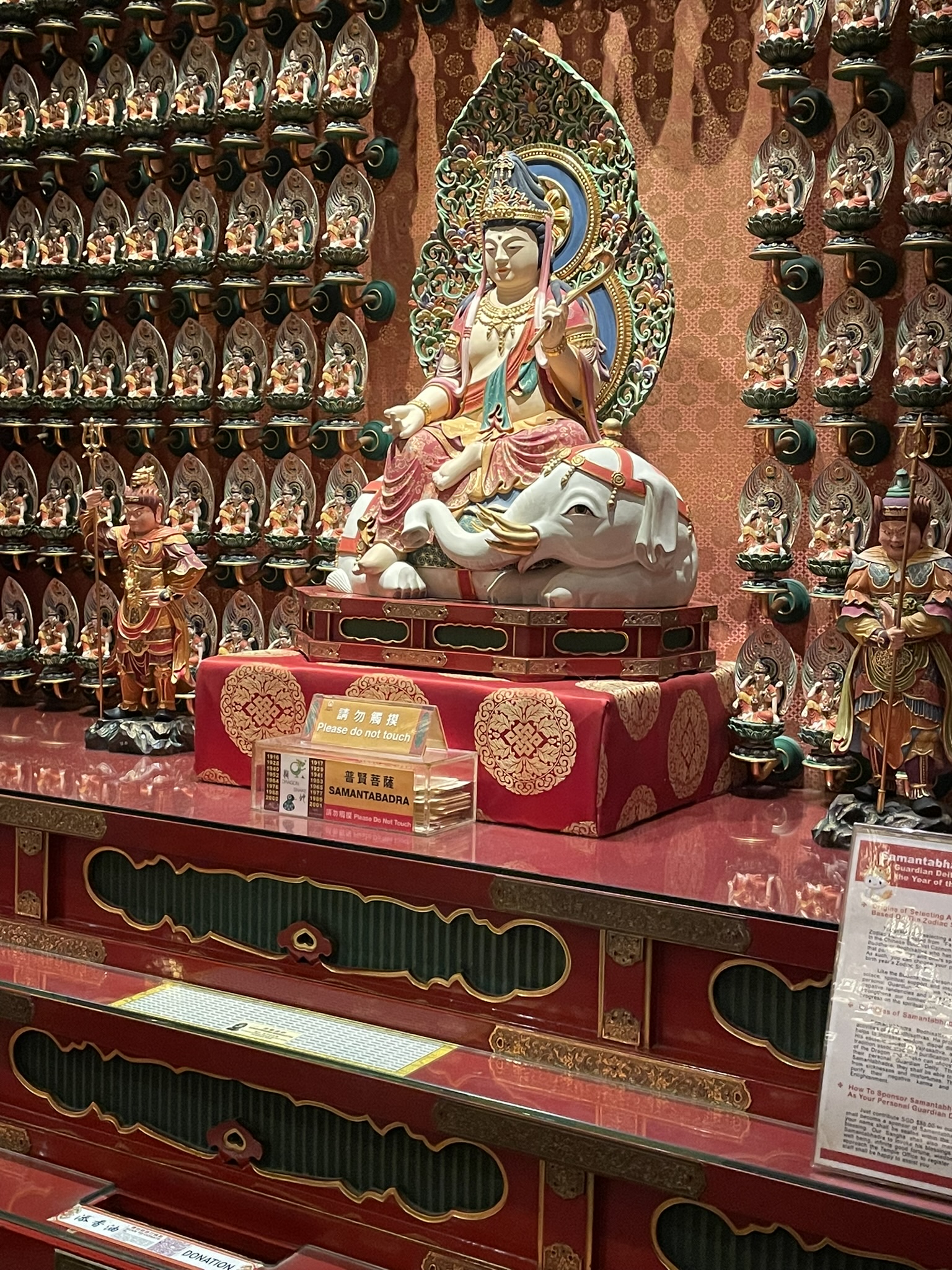
The above images are – on the left Gillian’s guardian – dragon sitting atop the head and on the right year of the dog.
We passed yet more street painings equally as impressvie as China Town.
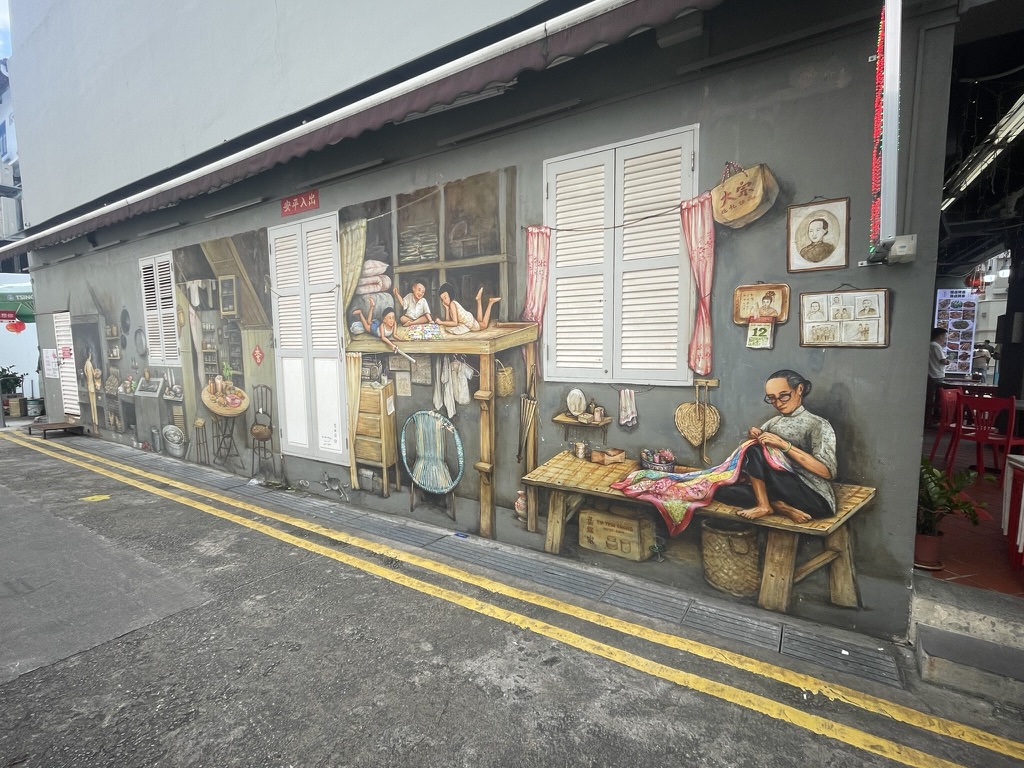
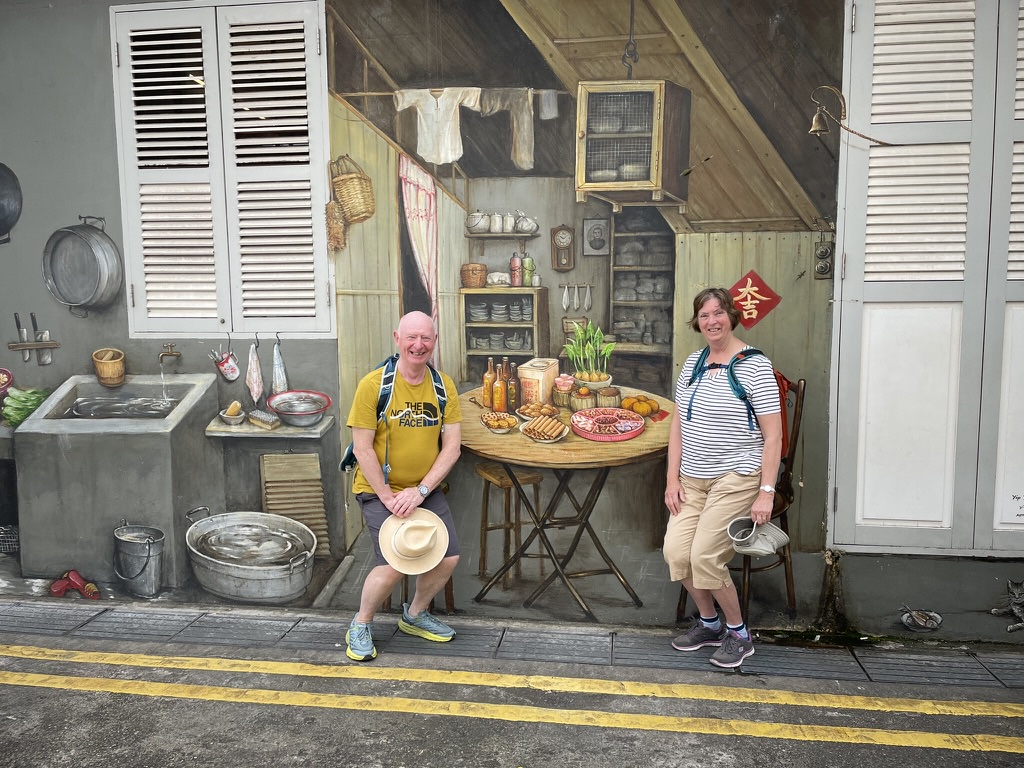
From this are we took a bus to the edge of Little India and the Arab quarter to take lunch in a very local restaurant. The food was excellent particularly the murtaback which is a form or alternative to roti. It’s like prata, but stuffed with savoury minced meat and egg, served with curry gravy. Very basic chairs and table with lots of shouting and running around.
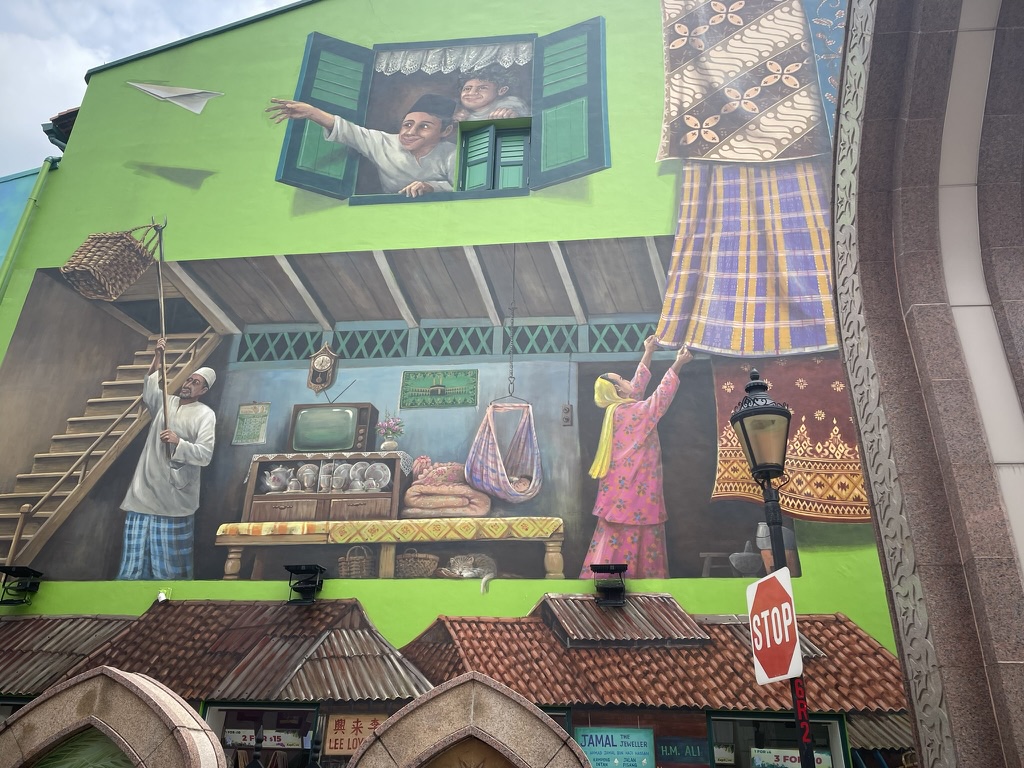
In the afternoon it was a look around the Arab quarter and mosque. By this stage we were quite tired and hot – so some of this was a bit of a blur. Michelle organised a taxi and we went back to the hotel for shower and rest before going out in the evening with Neil and Carisa. We went to Dempsey Barracks which is now a shopping and restaurant location. I don’t know if my father ever visited when he was in Singapore. As he landed shortly before the fall of the country he probably did not. We had a wonderful evening sharing dishes, exchanging news on mutual friends and learning a little bit more about life the Little red Dot as the city is affectionately known.
26th February – National Singapore Museum – Gardens on the Bay
Our last day in Singapore but we were determined to make the most of it. Neil and Carisa had recommended the National Museum of Singapore which was near Fort Canning. We braved the subway and walked across the road to the museum for breakfast before looking around. What strikes you about Singapore is how green it is, how many trees there are and the pride people take in them. Breakfast was in the Seniors and Family cafe which was staffed by seniors and those with physical or autistic symptoms. A lovely setting and far better breakfast than in the hotel at a fraction of the cost. We started at the top of the museum and walked down beside an animated projection of Singapore jungle – wildlife, trees, animals. As we came out of the bottom of the display there was an exhibition of photographs of 16 pictures of individual trees. This was inspirational. They told a story of people and the environment and what it had meant to them.
As we walked into the main area of the museum, Gillian needed an ‘ease springs’ moment. This was where the morning went badly! Unknown to us we were at an exit point where there was a toilet. Instead Gillian walked all the way back through the exhibits we had passed to find somewhere. This took some time. I found a seat and patiently waited………..1hr! Gillian could not find her way back and I was afraid of moving in case we missed each other. After 1.5hrs we did find each other as I came out of the main floor to see Gillian waiting at the exit. However we were sufficiently chilled out on this holiday that we walked back through the museum together. We found the whole place absorbing – from pre trading port, through to its establishment and onto its occupation and independence. An exert from one of the Mems memoirs was quite evocative. Interestingly the start of the day in Singapore has not changed much with work rarely commencing prior to 0900-0930.
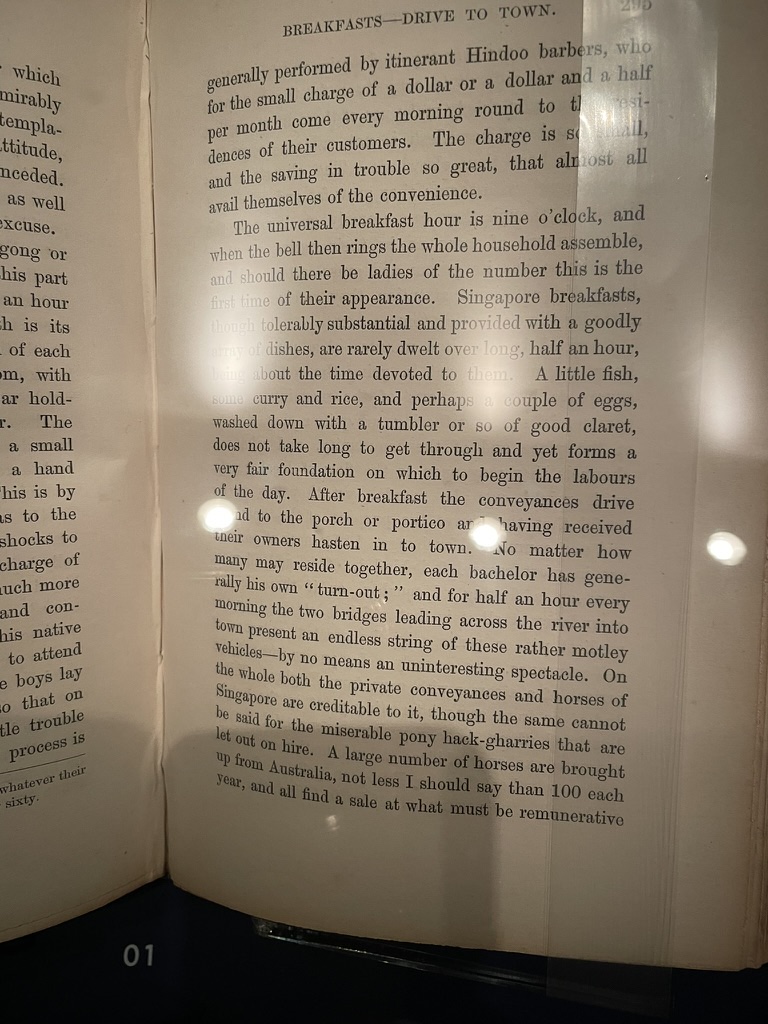
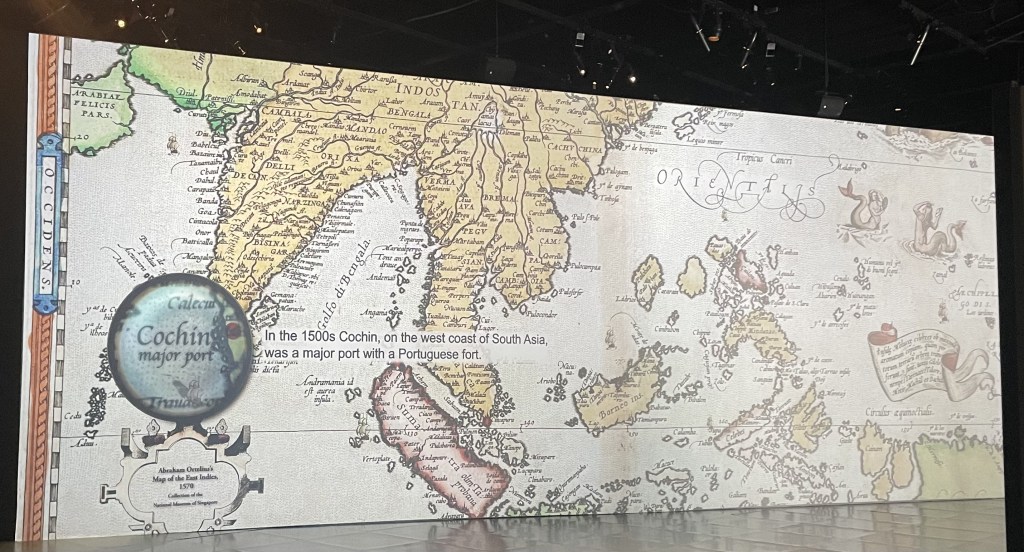
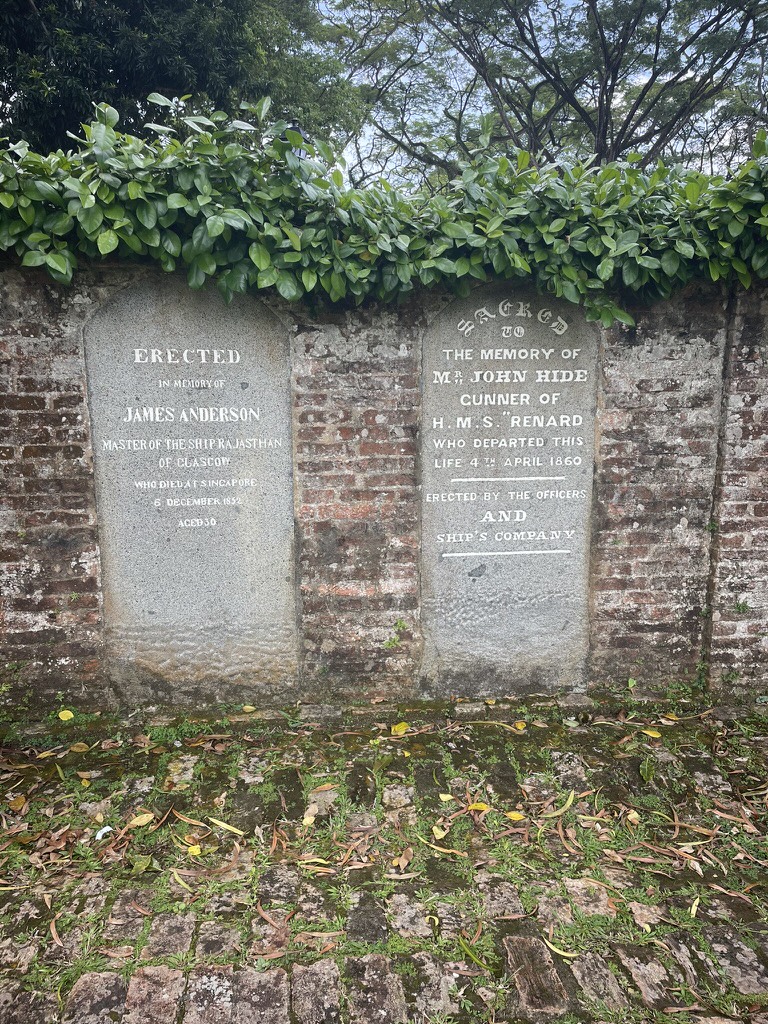
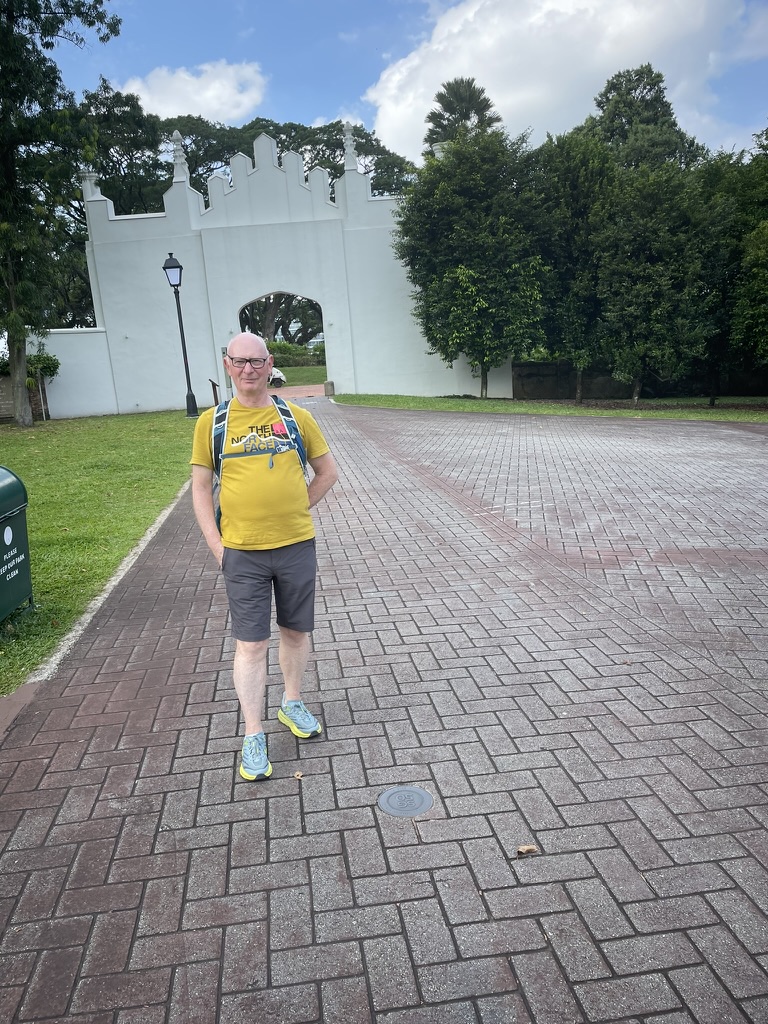
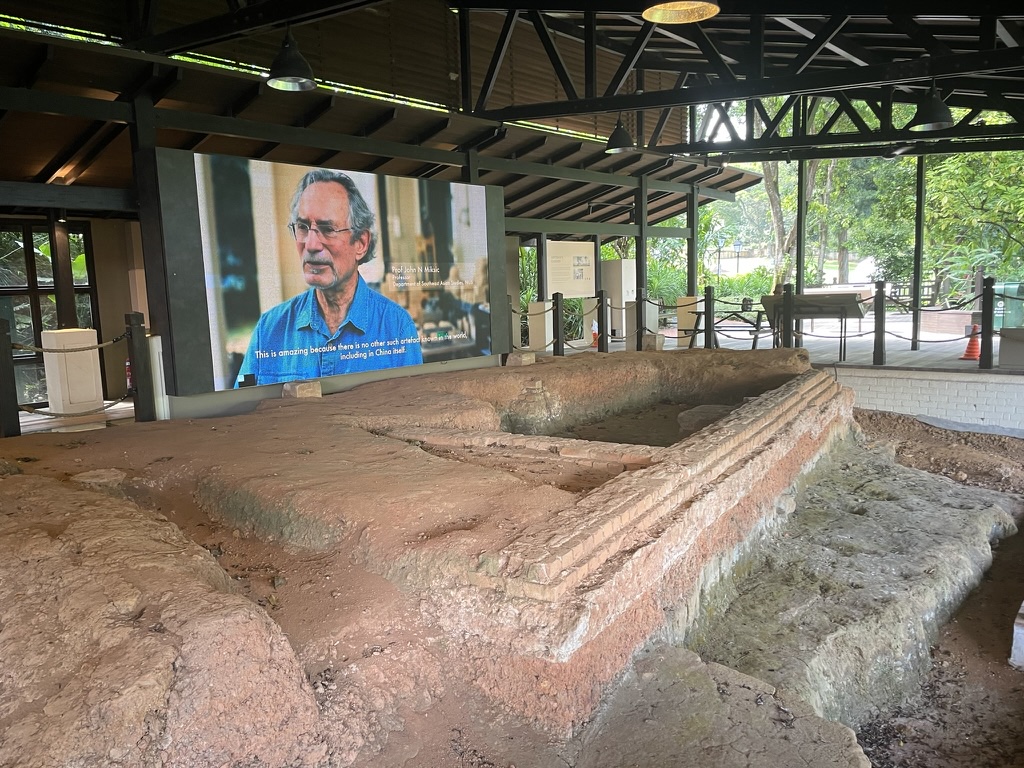
We had lunch in the museum before walking around Fort Canning which was the orignal location of the Botanic Gardens. It is a popular place for wedding photos. However we had not realised that in Singapore the photos are taken a number of weeks before the wedding so that they are on display on the day. There had been a cemetery in this location prior to its development and they had kept a number of the headstones building them into the wall. We also came across a ‘people’s’ archaeological site which pre-dated Singapore by a number of centuries. Archaeological research at Fort Canning started in 1984, and evidence from these research efforts indicated that the hill has been inhabited on and off since the 14th century. When the British arrived in 1819, they were informed by the local Malay people that a royal palace used to stand atop the hill. Records indicate that this may have been the home of a Palembang prince named Parameswara, who fled to Temasek (Singapore) after a Javanese attack.

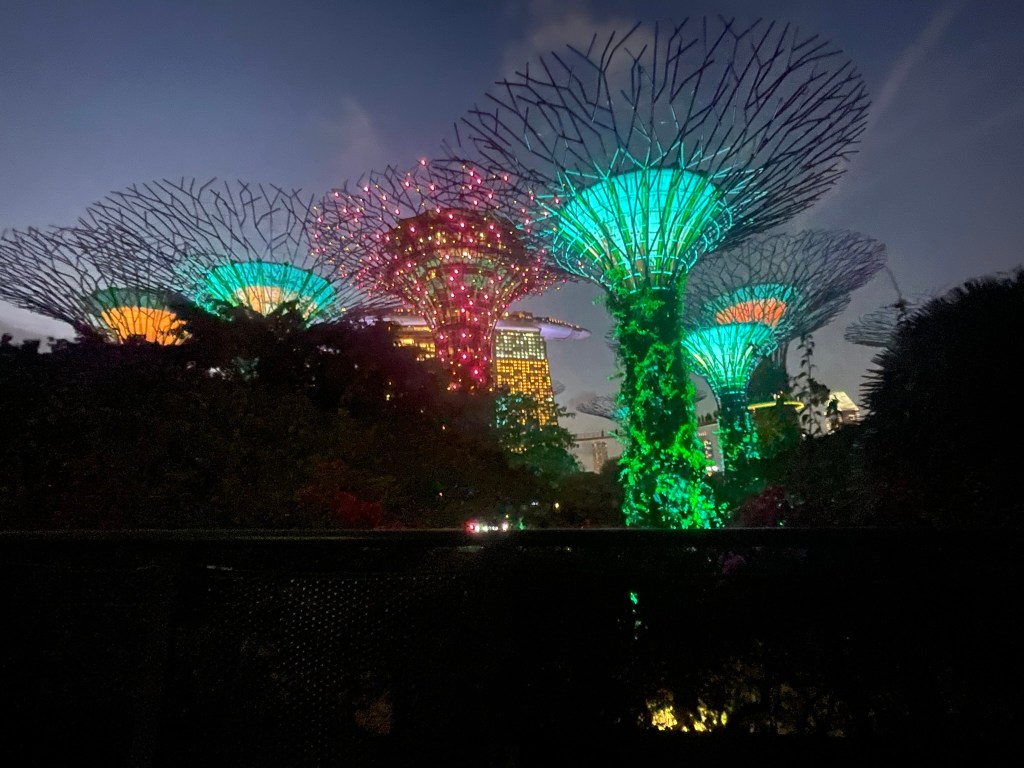
In the evening Neil picked us up and after a drive around some of the highlights we had missed, including the Raffles Hotel we headed across to Gardens by the Bay which was overlooked by a THE casino – two large buildings connected a ‘boat’ which is an infinity pool at the top. The Gardens by the Bay is a nature park spanning 101 hectares in the Central Region of Singapore, adjacent to the Marina Reservoir. There is a high walk amongst the trees and all of them are ‘wired for light’. Twice in the evening after sunset they have a concert using the trees as a visual background. Neil had found us a great seat that overlooked the area from where we were enthralled by the light show. The photos do not do justice to the event.
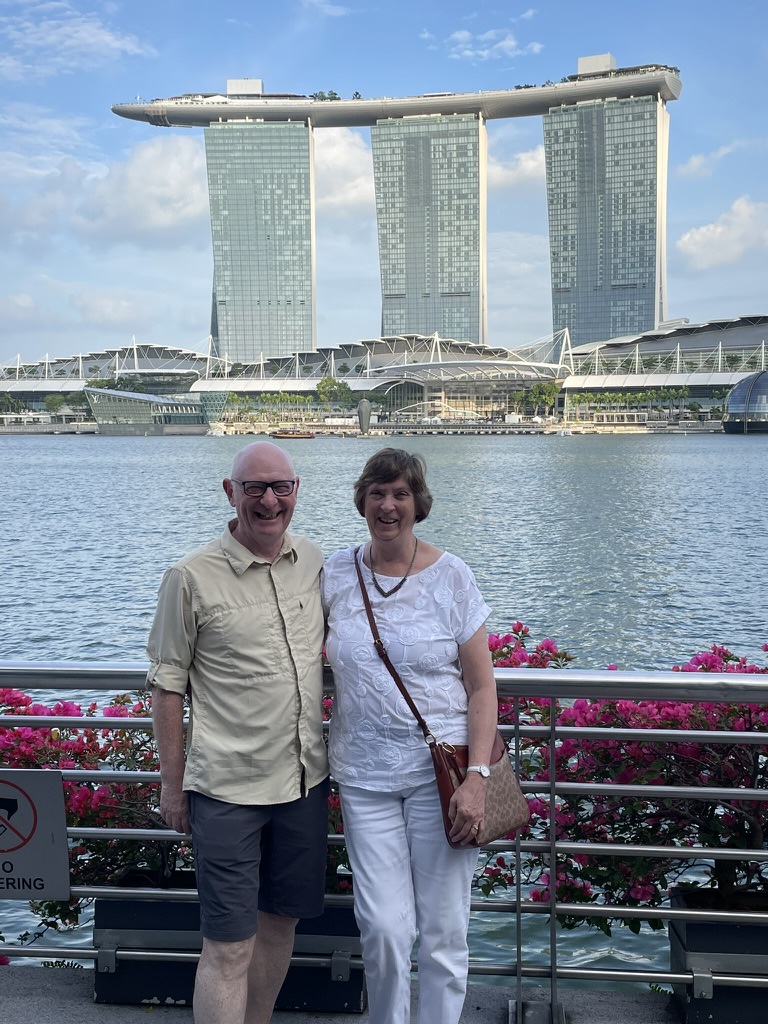
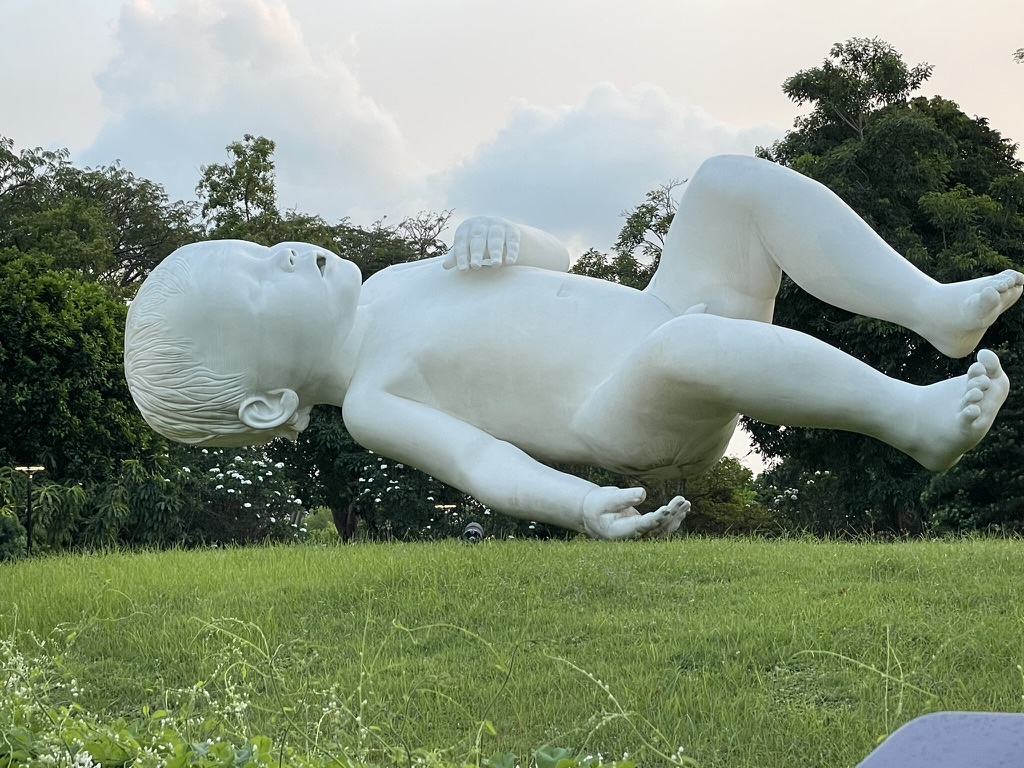
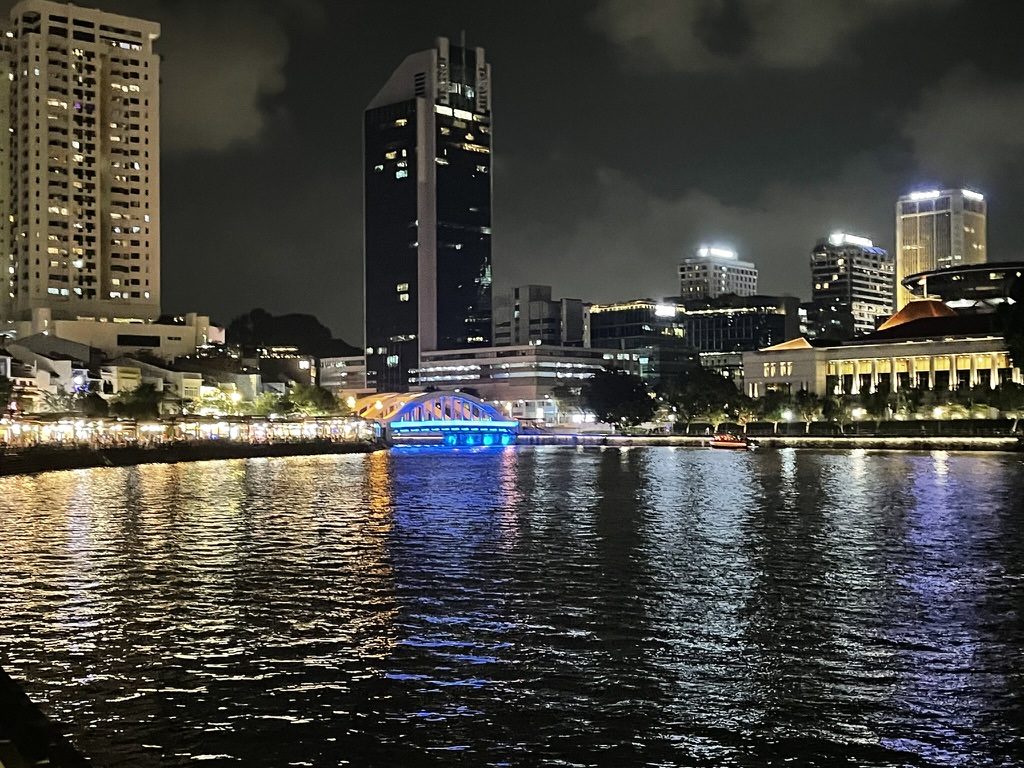
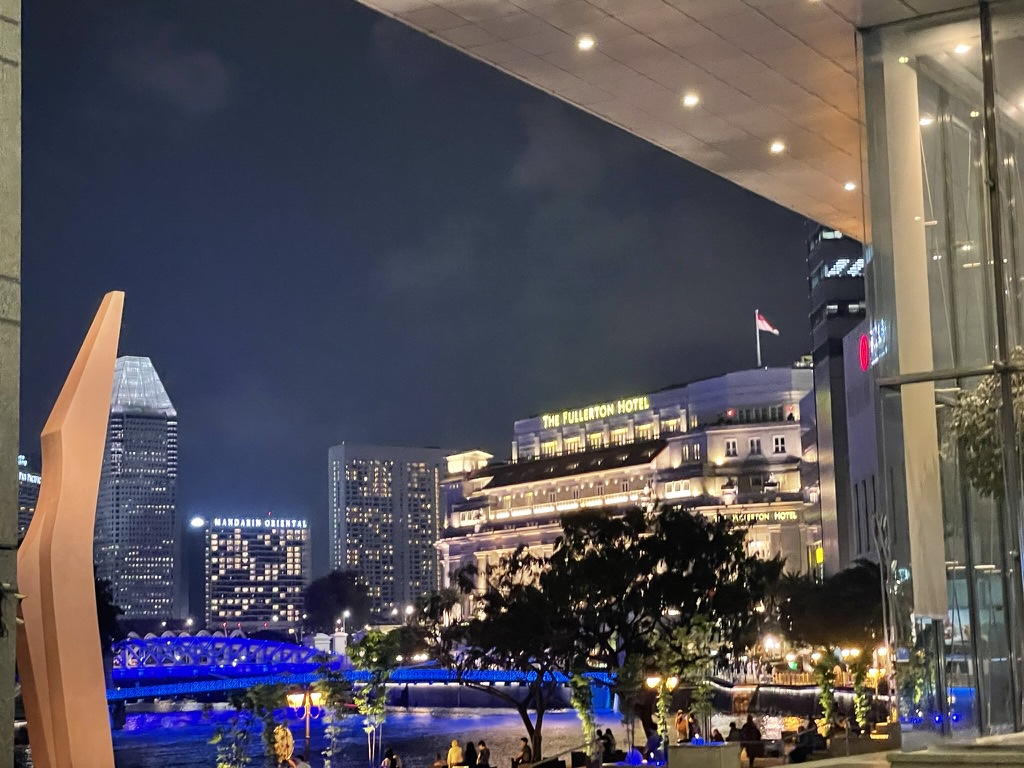
From the Gardens we went back to the area of Clarks Quay for supper and drinks at The Black Penny – an expats and English pub on the side of what is now a reservoir as a strategic source of water given the reliance on Malaya. (We discovered that Malaysia refers to Singapore and Malaya. At the point of independence both were a single country but Malaya effectively forced Singapore out after two years as they wanted a more Malay dominant country.) It was a great end to the day – relaxing in the warm weather with a lovely waitress who looked after us. We were very grateful to Neil and Carisa for looking after us so well in Singapore and making this a very memorable visit.
 Purrfect Tale